The calming bedtime routine that trains your brain to sleep.
Thirty minutes, seven steps, same order every night. Three of the steps have randomised-trial evidence with measurable effect sizes; the other four are sequence-cue support. The order is the active ingredient — the brain encodes sequence, not vibes.[1]

The 30-minute timeline.
Same order, every night. The brain encodes sequence — variation weakens the cue. Anchor steps (trust-colour) are the three with the strongest evidence.
The 3 must-have steps (the rest is sequence support).
If you do nothing else: hot bath, dim light, brain-dump. Each has randomised-trial evidence with measurable effect on sleep latency. Everything else in the timeline is cue-strengthening.
Drop the lights at T-30 minutes.
The single highest-leverage cue, and the numbers are more striking than most people expect. Ordinary room light — under 200 lux, which is dimmer than a normally lit kitchen — was enough to delay melatonin onset in 99% of people studied and cut the duration of the night-time melatonin window by roughly 90 minutes. So the target isn't 'cosy lighting', it's genuinely dim: kill the overheads at T-30 and work by a single warm lamp.
- +Triggering natural melatonin release on schedule
- +Reducing the 'wired but tired' feeling
- +Building a strong, consistent sleep cue
- −Insomnia caused by daytime caffeine still in your system
- −Sleep apnea or any structural issue
- −Acute stress or anxiety spikes (use breathing for those)
Hot shower or bath at T-90 minutes.
A meta-analysis pooling 13 datasets found that as little as 10 minutes in 40-42.5°C / 104-108°F water, 1-2 hours before bed, significantly shortened the time taken to fall asleep and improved self-rated sleep quality and sleep efficiency. Mechanism: warming the skin sends blood to the extremities, which then dumps heat and accelerates the core temperature drop that precedes sleep. Timing is the part people get wrong — a bath immediately before bed doesn't leave time for the drop.
- +Onset insomnia, especially in people who run cold
- +Anxious, racing-mind sleep difficulty
- +Older adults whose thermoregulation is sluggish
- −Cardiovascular conditions where hot baths are unsafe — ask your doctor
- −Pregnancy — hot baths raise core temperature; check with your OB
- −Working out within 60 min of bed (own temperature spike negates effect)
Brain-dump — 5 minutes, paper not screen.
Write tomorrow, not today: next-day tasks, unresolved thoughts, anxieties. In a sleep-lab study of 57 adults, people who wrote a next-day to-do list fell asleep in about 16 minutes versus about 25 for those who wrote about what they'd already finished — the direction of the writing, not just the act, is what moved the number. The mechanism is closure. Paper rather than phone, on the reasoning that a screen pulls you back into the day (that part is our judgement, not a trial result).
- +Racing thoughts at lights-out
- +Sunday-night work-anxiety insomnia
- +Anyone who 'wakes up at 3am with thoughts'
- −Physical sleep disorders
- −Late caffeine in your system
- −If writing itself is stressful — replace with verbal mind-dump to a partner
The 4 mistakes that undo the whole routine.
- 1. Doing the routine IN bed. Reading, journaling, or stretching on the mattress trains the brain that bed = wakeful activity. Do everything except sleep elsewhere; enter the bed only when sleepy.
- 2. Bright bathroom lighting at T-15. You dim the bedroom, then walk into a brightly lit bathroom for teeth and skincare. Ordinary room lighting is enough to push melatonin onset later, so that trip undoes the dimming you just did.[1] Install a warm dimmable bulb in the bathroom or use a small lamp.
- 3. Phone “just to check one thing.” Both the blue light and the cognitive activation reset the wind-down. The phone has to be in another room or in a charger outside the bedroom. Charging on the nightstand is a trap.
- 4. Inconsistent order. Some nights bath then journal, some nights journal then bath, some nights skip both. The brain’s clock cares about sequence — same order beats “more activities, randomly.”
“If you read one thing about bedtime routines, read this: the order matters more than the activities. The brain encodes sequence into a sleep cue. Random nightly variation is the same as no routine at all.”
Personalising the routine to your situation.
- If you live with a partner on a different schedule:headphones for the late one, eye mask for the early one. The routine is yours, not the household’s.
- If you work shifts: keep the same routine — only the time changes. The cue value comes from sequence, not clock time.
- If you have small kids: handoff first, then your own routine. Don’t merge — kids’ routines have different cue requirements (see our bedtime routine builder PDF in the toolkit for ages 0-12).
- If you travel often: pack 3 portable cue elements (a small lamp or eye mask, your journal, a sleep tea sachet). Hotel rooms break every other cue; portable ones bridge the gap.
Stack the routine with sleep environment for compounding effect.
- • Bedroom 18-19°C / 64-66°F. Supports the core-temp drop the hot bath kicks off.
- • Blackout window covering. Room-level light before and during sleep measurably suppresses melatonin, and individual sensitivity varies a lot.[1]
- • Caffeine cutoff at 2pm (or 8h pre-bed). No routine out-performs caffeine still in the bloodstream.
- • Same wake time daily, including weekends. Anchors the circadian rhythm — the routine maintains it.
What you get here that you don't get elsewhere.
- This guide
- Dim light, hot bath, and journaling have randomised-trial evidence with measurable effect sizes. Lavender oil and 'soothing music' don't — and we say so.
- Typical alternative
- Most calming-routine articles are rituals dressed as science. They confuse 'feels nice' with 'measurably improves sleep.'
- This guide
- T-90 hot bath, T-30 dim light, T-15 journal, T-0 in-bed breathing. The brain encodes sequence — random order undoes the cue.
- Typical alternative
- Generic articles list activities without sequencing them, then wonder why people see no improvement.
- This guide
- We won't tell you to read, journal, or meditate in bed. CBT-I is unambiguous: the bed is for sleep and sex only. Doing the routine elsewhere is the active ingredient.
- Typical alternative
- 'Read in bed to wind down' is everywhere — and it's the single most common reason people sabotage their own sleep.
Glossary.
The technical vocabulary used in this article, in plain English.
- Sleep latency
- Time from lights-out to actually falling asleep. Healthy is 10-20 minutes. Calming bedtime routines are evaluated by their effect on this metric in clinical trials.
- Stimulus control (CBT-I)
- The cognitive-behavioural sleep principle that the bed should be associated only with sleep. Doing routine activities (reading, journaling, stretching) in bed weakens the sleep cue.
- Core body temperature drop
- Core body temperature falls by roughly a degree Celsius around sleep onset, and that fall appears to be part of the sleep signal. Warm baths and a cool bedroom are ways of working with it.
- Cognitive arousal
- Mental activation — racing thoughts, planning, worry. Different from physiological arousal (heart rate, cortisol). Pre-bed journaling targets this specifically.
- Sleep cue
- An environmental or behavioural signal that the brain learns to associate with sleep onset. Same routine in same order = stronger cue. Random nightly variation = weaker cue.
People also ask
How long should a calming bedtime routine be?
Around 30 minutes is our working recommendation for adults — long enough to actually change what your body is doing, short enough that people keep it up. There's no trial establishing an optimal length, so treat that number as practical rather than proven. The key is consistency — 30 min in the same order, every night, beats a 90-min spa routine done occasionally.
Why does the same bedtime routine work for one person and not another?
Two reasons. First, individual sensory profiles differ — what's calming for an introvert (quiet reading) can feel under-stimulating for an extrovert (who may need light stretching to discharge). Second, the cause of insomnia matters: a routine helps onset insomnia much more than it helps maintenance insomnia (3am wakes), which is usually about caffeine, anxiety, or sleep apnea — not pre-bed routine.
Can I do my bedtime routine in bed?
No. The bed should be associated only with sleep and sex (the CBT-I 'stimulus control' principle). If you read, journal, or stretch in bed, the brain learns that bed = wakeful activity, weakening the sleep cue. Do the routine in the bathroom, living room, or bedroom but NOT on the mattress. Get into bed only when actually sleepy.
Does a hot bath really help you sleep?
The evidence says yes, and the mechanism is counterintuitive. The bath warms your skin, blood moves to the surface, and the extra heat you dump afterwards accelerates the core-temperature fall that normally precedes sleep. A meta-analysis found 10 minutes at 40-42.5°C, one to two hours before bed, significantly shortened the time taken to fall asleep and improved sleep efficiency. The timing is what people get wrong — a bath right at bedtime doesn't leave room for the temperature drop. The reviewers used hot water specifically; we don't have good data on lukewarm.
Frequently asked questions.
How long should a calming bedtime routine be?
Around 30 minutes is our working recommendation for adults — long enough to actually change what your body is doing, short enough that people keep it up. There's no trial establishing an optimal length, so treat that number as practical rather than proven. The key is consistency — 30 min in the same order, every night, beats a 90-min spa routine done occasionally.
Why does the same bedtime routine work for one person and not another?
Two reasons. First, individual sensory profiles differ — what's calming for an introvert (quiet reading) can feel under-stimulating for an extrovert (who may need light stretching to discharge). Second, the cause of insomnia matters: a routine helps onset insomnia much more than it helps maintenance insomnia (3am wakes), which is usually about caffeine, anxiety, or sleep apnea — not pre-bed routine.
Can I do my bedtime routine in bed?
No. The bed should be associated only with sleep and sex (the CBT-I 'stimulus control' principle). If you read, journal, or stretch in bed, the brain learns that bed = wakeful activity, weakening the sleep cue. Do the routine in the bathroom, living room, or bedroom but NOT on the mattress. Get into bed only when actually sleepy.
Does a hot bath really help you sleep?
The evidence says yes, and the mechanism is counterintuitive. The bath warms your skin, blood moves to the surface, and the extra heat you dump afterwards accelerates the core-temperature fall that normally precedes sleep. A meta-analysis found 10 minutes at 40-42.5°C, one to two hours before bed, significantly shortened the time taken to fall asleep and improved sleep efficiency. The timing is what people get wrong — a bath right at bedtime doesn't leave room for the temperature drop. The reviewers used hot water specifically; we don't have good data on lukewarm.
Should children and adults have the same bedtime routine?
Same principles, different content. For both: same order every night, dim light in the final 30 minutes, no screens. For kids, the routine teaches the cue association (this is why we have a separate bedtime routine builder PDF for ages newborn through school-age in our toolkit). For adults, the routine maintains the cue and breaks the day-to-night transition.
- [1]Gooley JJ et al. 'Exposure to room light before bedtime suppresses melatonin onset and shortens melatonin duration in humans.' Journal of Clinical Endocrinology and Metabolism, 2011;96(3):E463-E472. (Room light under 200 lux delayed melatonin onset in 99% of participants and shortened melatonin duration by about 90 min.)
- [2]Haghayegh S, Khoshnevis S, Smolensky MH, Diller KR, Castriotta RJ. 'Before-bedtime passive body heating by warm shower or bath to improve sleep: A systematic review and meta-analysis.' Sleep Medicine Reviews, 2019;46:124-135. (17 articles reviewed, 13 pooled; 40-42.5°C for 10 min, 1-2 h before bed.)
- [3]Scullin MK, Krueger ML, Ballard HK, Pruett N, Bliwise DL. 'The effects of bedtime writing on difficulty falling asleep: A polysomnographic study comparing to-do lists and completed activity lists.' Journal of Experimental Psychology: General, 2018;147(1):139-146. (n=57; 15.8 min vs 25.1 min to sleep onset.)
- [4]Bootzin RR, Perlis ML. 'Stimulus control therapy.' Behavioral Treatments for Sleep Disorders, 2011 (Academic Press).
Logan Foley, CSSC
Certified Sleep Science Coach via the Spencer Institute. Writes about adult sleep, supplements, and sleep tech. Edits every adult-sleep article on SleepyHero before publication.
Last updated:
No app, candle, or lamp is paid for placement. Recommendations are based on the underlying mechanism, not vendor relationships.
From our comparison desk
Gear that helps
Picks that pair with this guide — scored independently.
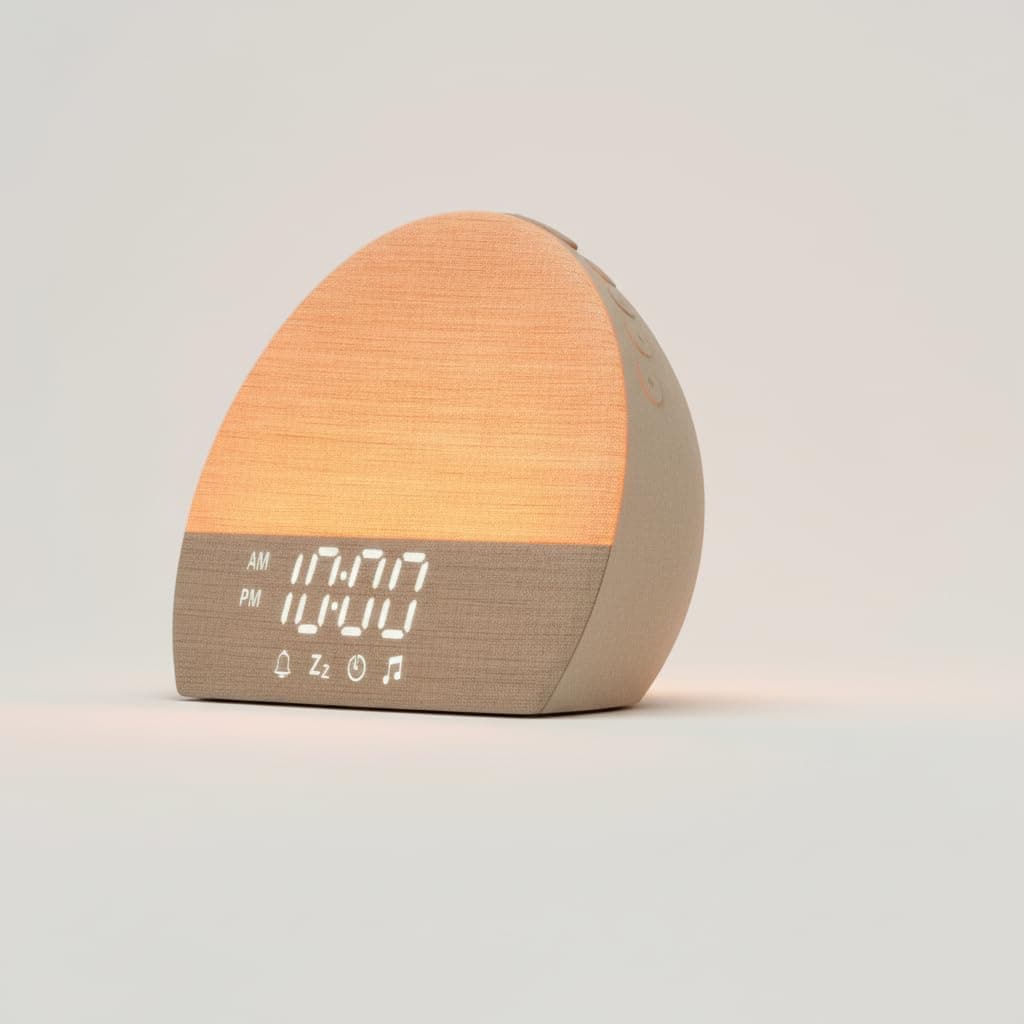
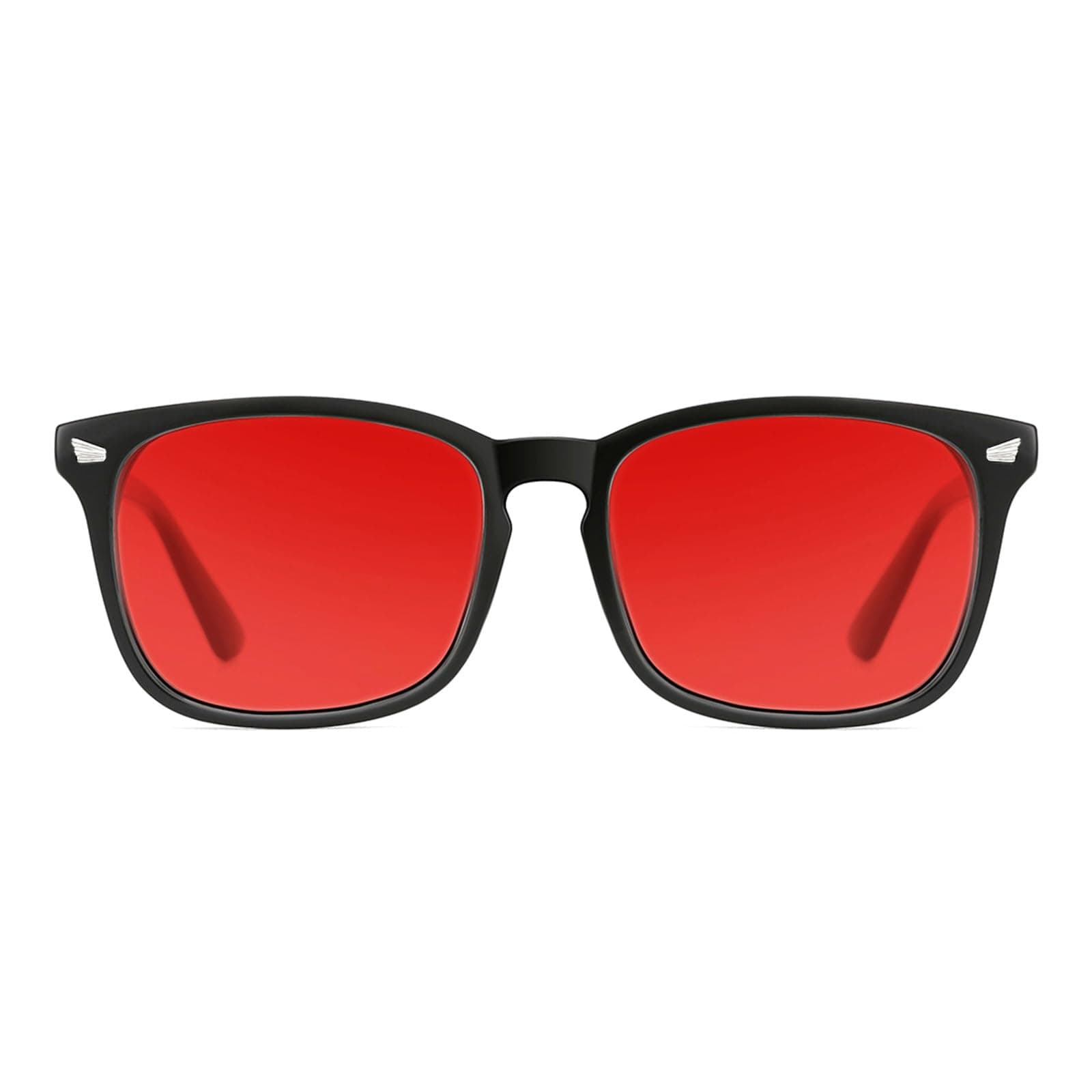
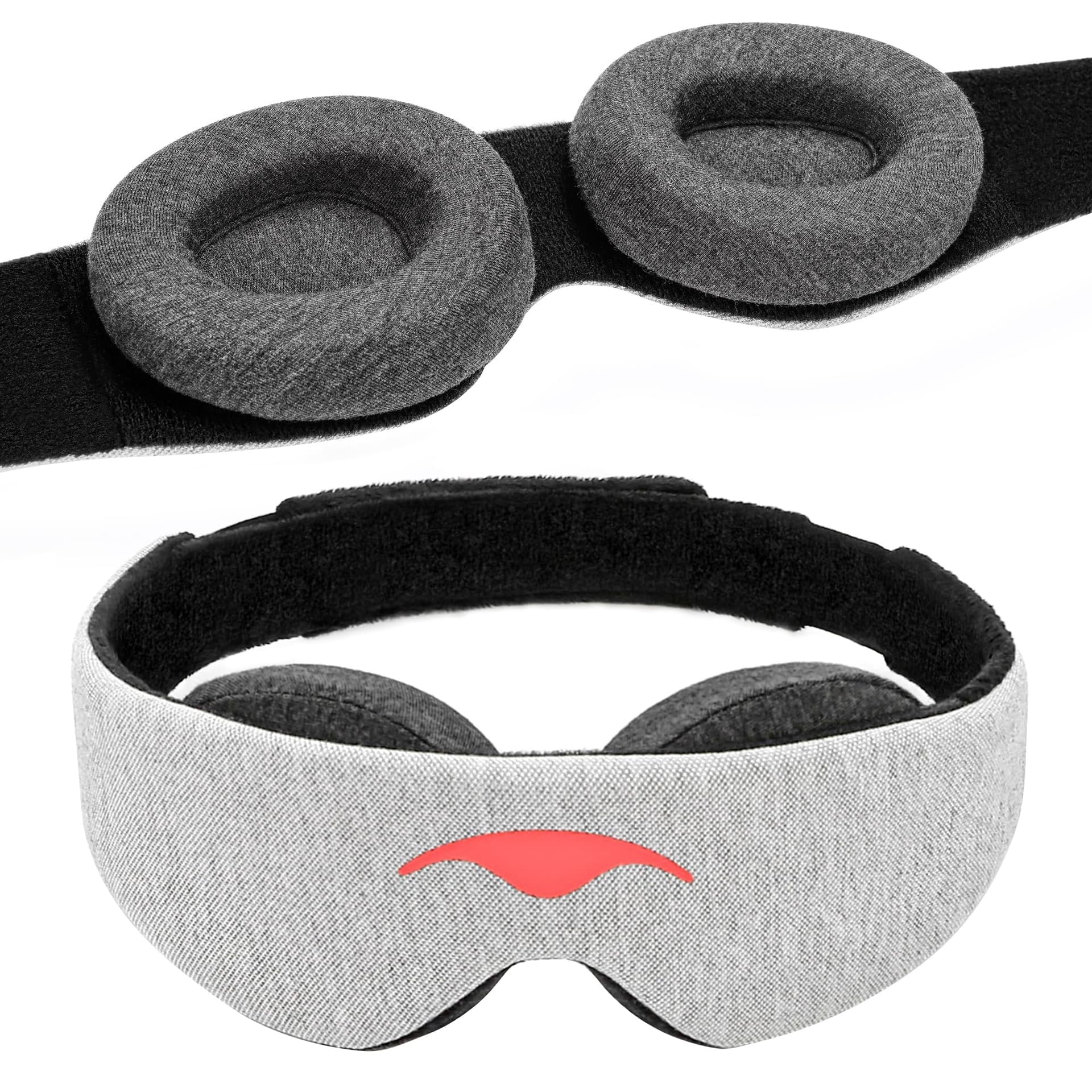
Affiliate disclosure: purchases via these links fund our work at no extra cost to you. Scores are independent of revenue.
Keep going
- ArticleWhy can't I fall asleep? Five causes.
Routine inconsistency is one of the five — this is the fix.
- ArticleSleep journaling — the 5-minute method
Go deeper on the T-15 brain-dump step: the 4 types and the trials behind them.
- ArticleBreathing exercises for sleep
The T-5 step of the routine — 4-7-8 in bed once you're under the covers.
- ArticleNatural sleep remedies, ranked by evidence
See what the trial evidence actually shows.
- ArticleAromatherapy for sleep
Diffuser scent strengthens the routine cue — used as ritual, not pharmacology.
- ArticleHerbal teas for sleep
Tea is a perfect cue ritual even when the herb itself is weak.