Stress and sleep: how cortisol wrecks your night, and what fixes it.
Chronic stress doesn’t just “make it harder to sleep” — it has a specific mechanism: elevated baseline cortisol that shifts the morning awakening peak earlier and higher. The result is the 4-5am wired-but-exhausted wake pattern. Five interventions have trial evidence to break the loop. We rank them by impact, not popularity.[1][2]

The cortisol-sleep loop — what’s actually happening.
Cortisol is supposed to rise sharply in the 30-45 minutes after waking — the cortisol awakening response (CAR) — and decline steadily through the day. That curve gives you energy in the morning and lets you wind down at night.
Chronic stress disrupts the curve in two ways. Baseline cortisol elevates (you’re “buzzy” even at rest), and the morning peak shifts earlier — sometimes to 4 or 5am, when the rising cortisol crosses the threshold for waking. You wake up wired and exhausted at the same time, with a buzzy mind that won’t let you fall back asleep.
Healthy cortisol peaks at 7-8am and falls steadily through the day. Chronic stress shifts the peak earlier (4-5am) and elevates baseline. The shifted morning peak is what wakes you wired before your alarm.
Spot the pattern in your sleep diary.
- Wake-time creep into the pre-dawn hours. If you’re consistently waking 1-2 hours before your alarm, especially with a buzzy/anxious mind, suspect cortisol shift.
- Sunday-night insomnia. Anticipatory cortisol about the work week. Classic stress-driven pattern.
- Low overnight HRV vs your baseline. Wearable trackers (Oura, Whoop, Apple Watch) catch this even when you feel fine subjectively.
- “Wired but tired” at bedtime. You’re exhausted but can’t fall asleep. Sympathetic dominance preventing parasympathetic shift.
- Sleep that doesn’t feel restorative. Even “normal” total sleep time leaves you tired. Worth flagging to a doctor rather than assuming stress — this is also the classic presentation of sleep apnea.
The 5 fixes that work — ranked by trial evidence.
Three lead the list with strong evidence. The other two — slow breathing and consistent wake-time anchoring — are covered briefly below as supporting tactics.
MBSR or CBT-I — the structured cognitive intervention.
Mindfulness-Based Stress Reduction (MBSR) or Cognitive Behavioural Therapy for Insomnia (CBT-I), 6-8 week structured programs. CBT-I has the harder numbers: pooling 20 randomised trials in 1,162 people, it cut time to fall asleep by 19 minutes and time awake during the night by 26 minutes, and those gains held at later follow-ups. MBSR is more general stress management with sleep as a downstream benefit. Pick one — both is overkill.
- +Chronic insomnia (3+ months)
- +Anxiety-driven sleep onset failure
- +Long-term reduction in sleep medication reliance
- −Acute one-night stress (use breathing for that)
- −Sleep apnea or any structural disorder
- −Without commitment — both require 6-8 weeks of consistent practice
Aerobic exercise at 3-6 hours before bed.
30-45 minutes of moderate aerobic exercise (jogging, cycling, swimming) helps, though the honest summary of the meta-analytic evidence is 'small to moderate benefit' rather than a dramatic one — regular exercise shows small-to-medium gains on time to fall asleep and moderate gains on subjective sleep quality. Resistance training reviews point the same way, with sleep quality the outcome that moves most. Time of day does moderate the effect, so if late sessions leave you wired, move them earlier — but the blanket 'never exercise within 3 hours of bed' rule is stronger than the data supports.
- +Stress accumulating from sedentary work
- +Anxiety-driven 'wired but tired' sleep failure
- +Long-term cortisol regulation
- −Right before bed, if it leaves you wired (individual)
- −If overtraining is itself the stressor
- −Acute stressful events the same night
Pre-bed brain dump on paper.
5 minutes writing down everything on your mind — tomorrow's tasks, unresolved worries, anxieties. In a sleep-lab study of 57 adults, people who wrote a next-day to-do list fell asleep in about 16 minutes, versus 25 minutes for people who wrote about what they'd already finished — so the direction of the writing matters, not just the act of writing. Mechanism: closure. The brain stops looping over unresolved items once they're externalised. Paper, not phone — the cognitive mode of typing on a screen is too close to work.
- +Sunday-night work-anxiety insomnia
- +Racing-thought 3am wakes
- +Anyone who 'wakes with a list' in their head
- −Anxiety-disorder-level rumination (use therapy)
- −If writing itself is stressful (try voice memo to a partner)
- −Without consistency — one-time use is much weaker
4. Slow breathing (4-in/6-out) for 5 min. Acute parasympathetic activation. Quick fix when stress spikes pre-bed.
5. Same wake time daily. Anchors the cortisol curve at the right morning hour. The single largest behavioural lever for re-aligning a stress-shifted CAR.
“If you've been waking at 4am buzzy for months, no amount of camomile tea or lavender pillow spray will fix it. The cortisol shift is a real physiological pattern. The interventions that move it are structural: MBSR, CBT-I, exercise timing, consistent wake time. Treat the mechanism, not the symptom.”
Exercise + when to do it — the timing matters as much as the type.
- Best: morning aerobic (6-9am). Anchors the cortisol curve. Combines circadian benefit with stress reduction. 30 min jogging, cycling, swimming.
- Good: late afternoon (4-6pm). A common recommendation, on the reasoning that core temperature falls in the hours after exercise. Note this is mechanism rather than a trial result.
- Close to bedtime: test it.Meta-analysis finds time of day does moderate exercise’s effect on sleep, but a hard three-hour cutoff isn’t established. If a late session leaves you wired, move it earlier; if it doesn’t, keep it.
- Strength training: a review of 13 randomised trials found regular resistance training improved sleep across the board, with the biggest gain in sleep quality.[4] 2-3 sessions/week is plenty for sleep purposes.
- Yoga or tai chi: gentle enough that most people find them evening-friendly. We’re not aware of trial evidence that they beat other exercise for sleep — the argument for them is that they’re easy to do at 8pm without feeling revved up.
When to escalate to a clinician.
- Insomnia lasting more than 3 months. That’s the clinical threshold for chronic insomnia. CBT-I is the first-line treatment.
- Using alcohol or sleep medication to cope. Alcohol fragments sleep more than it helps. Sleep meds should be short-term bridges, not long-term solutions.
- Intrusive anxiety thoughts preventing sleep. If you’re ruminating about specific worries that won’t resolve, this is anxiety-disorder territory. Therapy + possibly SSRI/SNRI medication.
- Daytime function loss. Missing work, dangerous driving, mood swings. Don’t white-knuckle through.
- Suspected sleep apnea or another structural disorder. Witnessed snoring, gasping, or apnea episodes. Get a sleep study before any behavioural intervention.
What you get here that you don't get elsewhere.
- This guide
- Stress is too vague to act on. The cortisol awakening response, sympathetic dominance, and HRV markers are specific mechanisms — and each has specific interventions.
- Typical alternative
- Most articles say 'reduce stress' and stop. We say which stress mechanism is driving which sleep symptom and what specifically to do.
- This guide
- MBSR and CBT-I lead the list. Exercise, brain-dump journaling, and breathing follow. Adaptogen supplements (ashwagandha, rhodiola) and 'sound healing' don't make the list — weak evidence for sleep specifically.
- Typical alternative
- Stress-and-sleep articles tend to be wellness-industry-friendly. Ours points to therapy, structured programs, and lifestyle change first.
- This guide
- Specific thresholds for seeing a clinician: 3+ months of insomnia, alcohol/medication coping, intrusive anxiety thoughts, daytime function loss. Self-help has limits.
- Typical alternative
- Wellness articles often imply you can journal your way out of any stress. The dose-response curve has a ceiling.
Glossary.
The technical vocabulary used in this article, in plain English.
- Cortisol
- The body's primary stress hormone. Naturally peaks in the early morning to wake you (the cortisol awakening response, CAR). Chronic stress elevates baseline cortisol and shifts the morning peak earlier — a major driver of pre-dawn waking.
- Cortisol awakening response (CAR)
- The natural cortisol surge in the 30-45 minutes after waking. Healthy when matched to a normal wake time; problematic when it hits at 4-5am due to chronic stress, causing the wide-awake-too-early pattern.
- Heart rate variability (HRV)
- Beat-to-beat variation in time between heartbeats. Higher HRV = better autonomic balance + recovery. Stress acutely lowers HRV; the wearable (Oura, Whoop, Apple Watch) often catches stress-driven sleep disruption before subjective awareness.
- Sympathetic nervous system
- The 'fight or flight' branch of the autonomic nervous system. Chronically elevated by stress, caffeine, screen exposure, and unresolved emotional load. Sleep onset requires the parasympathetic branch to dominate — sympathetic dominance prevents it.
- MBSR (Mindfulness-Based Stress Reduction)
- An 8-week structured meditation program developed by Jon Kabat-Zinn. The most-studied stress-management intervention with sleep as a measured outcome — a randomised trial in older adults found it beat sleep-hygiene education on the Pittsburgh Sleep Quality Index.
People also ask
Why does stress wake me up at 4 or 5am?
Cortisol is supposed to peak in the early morning to wake you naturally — that's the cortisol awakening response (CAR). When chronic stress elevates baseline cortisol, the morning peak hits earlier and harder. The result: waking at 4-5am wired and unable to return to sleep, even when you're exhausted. Treat that as a useful pattern to notice rather than a diagnosis — early waking with a buzzy mind is also caused by depression, alcohol, and sleep apnea, so if it persists it's worth raising with a doctor rather than self-labelling it as stress.
Can stress cause insomnia even when I feel calm?
Yes. Subjective stress and physiological stress dissociate often. You can feel mentally fine while your sympathetic nervous system is still elevated from a chronic stressor (work, relationship, financial, caregiving). HRV trackers (Oura, Whoop, Apple Watch) often catch this gap — your night HRV is low even on days you 'felt OK.' That mismatch is itself diagnostic.
Do exercise and stress reduction really improve sleep?
Yes, with modest effect sizes. A meta-analytic review of physical activity and sleep found small beneficial effects on total sleep time and sleep efficiency, small-to-medium effects on how quickly people fall asleep, and moderate effects on subjective sleep quality — helpful, not transformative. Resistance training reviews point the same direction, again with sleep quality moving most. Time of day does moderate the effect in that analysis, so if evening sessions leave you wired, shift them earlier; but the popular 'never within 3 hours of bed' rule is firmer than the evidence behind it.
Is meditation enough to fix stress-driven insomnia?
It helps, and it is often not sufficient on its own for severe cases. MBSR has randomised-trial evidence for sleep quality, but CBT-I has the larger and better-quantified effect on insomnia specifically — 19 minutes off sleep onset and 26 minutes off nighttime wakefulness across 20 pooled trials. If the stressor itself is unresolved (active toxic job, ongoing caregiver burden), meditation manages the symptom without removing the cause. Both layers usually need work — meditation buys you the bandwidth to address the underlying situation.
Frequently asked questions.
Why does stress wake me up at 4 or 5am?
Cortisol is supposed to peak in the early morning to wake you naturally — that's the cortisol awakening response (CAR). When chronic stress elevates baseline cortisol, the morning peak hits earlier and harder. The result: waking at 4-5am wired and unable to return to sleep, even when you're exhausted. Treat that as a useful pattern to notice rather than a diagnosis — early waking with a buzzy mind is also caused by depression, alcohol, and sleep apnea, so if it persists it's worth raising with a doctor rather than self-labelling it as stress.
Can stress cause insomnia even when I feel calm?
Yes. Subjective stress and physiological stress dissociate often. You can feel mentally fine while your sympathetic nervous system is still elevated from a chronic stressor (work, relationship, financial, caregiving). HRV trackers (Oura, Whoop, Apple Watch) often catch this gap — your night HRV is low even on days you 'felt OK.' That mismatch is itself diagnostic.
Do exercise and stress reduction really improve sleep?
Yes, with modest effect sizes. A meta-analytic review of physical activity and sleep found small beneficial effects on total sleep time and sleep efficiency, small-to-medium effects on how quickly people fall asleep, and moderate effects on subjective sleep quality — helpful, not transformative. Resistance training reviews point the same direction, again with sleep quality moving most. Time of day does moderate the effect in that analysis, so if evening sessions leave you wired, shift them earlier; but the popular 'never within 3 hours of bed' rule is firmer than the evidence behind it.
Is meditation enough to fix stress-driven insomnia?
It helps, and it is often not sufficient on its own for severe cases. MBSR has randomised-trial evidence for sleep quality, but CBT-I has the larger and better-quantified effect on insomnia specifically — 19 minutes off sleep onset and 26 minutes off nighttime wakefulness across 20 pooled trials. If the stressor itself is unresolved (active toxic job, ongoing caregiver burden), meditation manages the symptom without removing the cause. Both layers usually need work — meditation buys you the bandwidth to address the underlying situation.
When should I see a doctor about stress and sleep?
If your insomnia has lasted more than 3 months, if you're using alcohol or sleep medication to cope, if you're having intrusive anxiety thoughts that prevent sleep, or if you're losing daytime function. CBT-I (cognitive behavioural therapy for insomnia) is the first-line treatment with the strongest evidence base. SSRI/SNRI medications can help when stress is anxiety-disorder-driven, but should be combined with therapy, not used alone.
- [1]Black DS et al. 'Mindfulness meditation and improvement in sleep quality and daytime impairment among older adults with sleep disturbances: A randomized clinical trial.' JAMA Internal Medicine, 2015.
- [2]Trauer JM, Qian MY, Doyle JS, Rajaratnam SMW, Cunnington D. 'Cognitive Behavioral Therapy for Chronic Insomnia: A Systematic Review and Meta-analysis.' Annals of Internal Medicine, 2015;163(3):191-204. (20 RCTs, 1,162 people; sleep onset latency 19.0 min shorter, wake after sleep onset 26.0 min shorter, sleep efficiency +9.9%.)
- [3]Kredlow MA, Capozzoli MC, Hearon BA, Calkins AW, Otto MW. 'The effects of physical activity on sleep: a meta-analytic review.' Journal of Behavioral Medicine, 2015;38(3):427-449. (Small to moderate benefits; effects moderated by time of day, age, sex and baseline activity.)
- [4]Kovacevic A, Mavros Y, Heisz JJ, Fiatarone Singh MA. 'The effect of resistance exercise on sleep: A systematic review of randomized controlled trials.' Sleep Medicine Reviews, 2018;39:52-68. (13 RCTs; chronic resistance training improved sleep, with the largest gain in sleep quality.)
- [5]Scullin MK, Krueger ML, Ballard HK, Pruett N, Bliwise DL. 'The effects of bedtime writing on difficulty falling asleep: A polysomnographic study comparing to-do lists and completed activity lists.' Journal of Experimental Psychology: General, 2018;147(1):139-146. (n=57; 15.8 min to sleep after writing a to-do list vs 25.1 min after writing a completed-activity list.)
Logan Foley, CSSC
Certified Sleep Science Coach via the Spencer Institute. Writes about adult sleep, supplements, and sleep tech. Edits every adult-sleep article on SleepyHero before publication.
Last updated:
No therapy program, app, or supplement is paid for placement. Recommendations are based on the underlying mechanism and trial evidence.
From our comparison desk
Gear that helps
Picks that pair with this guide — scored independently.
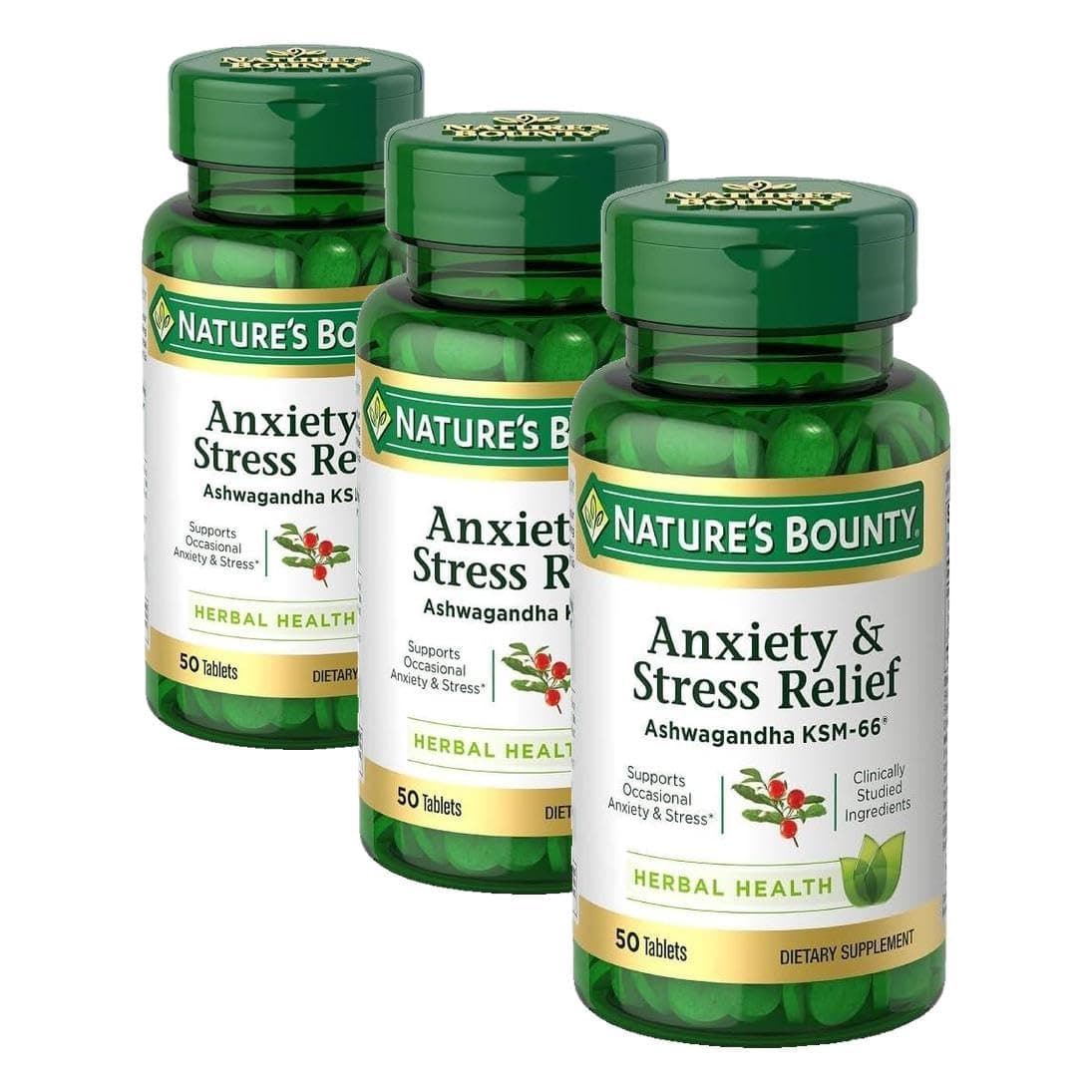
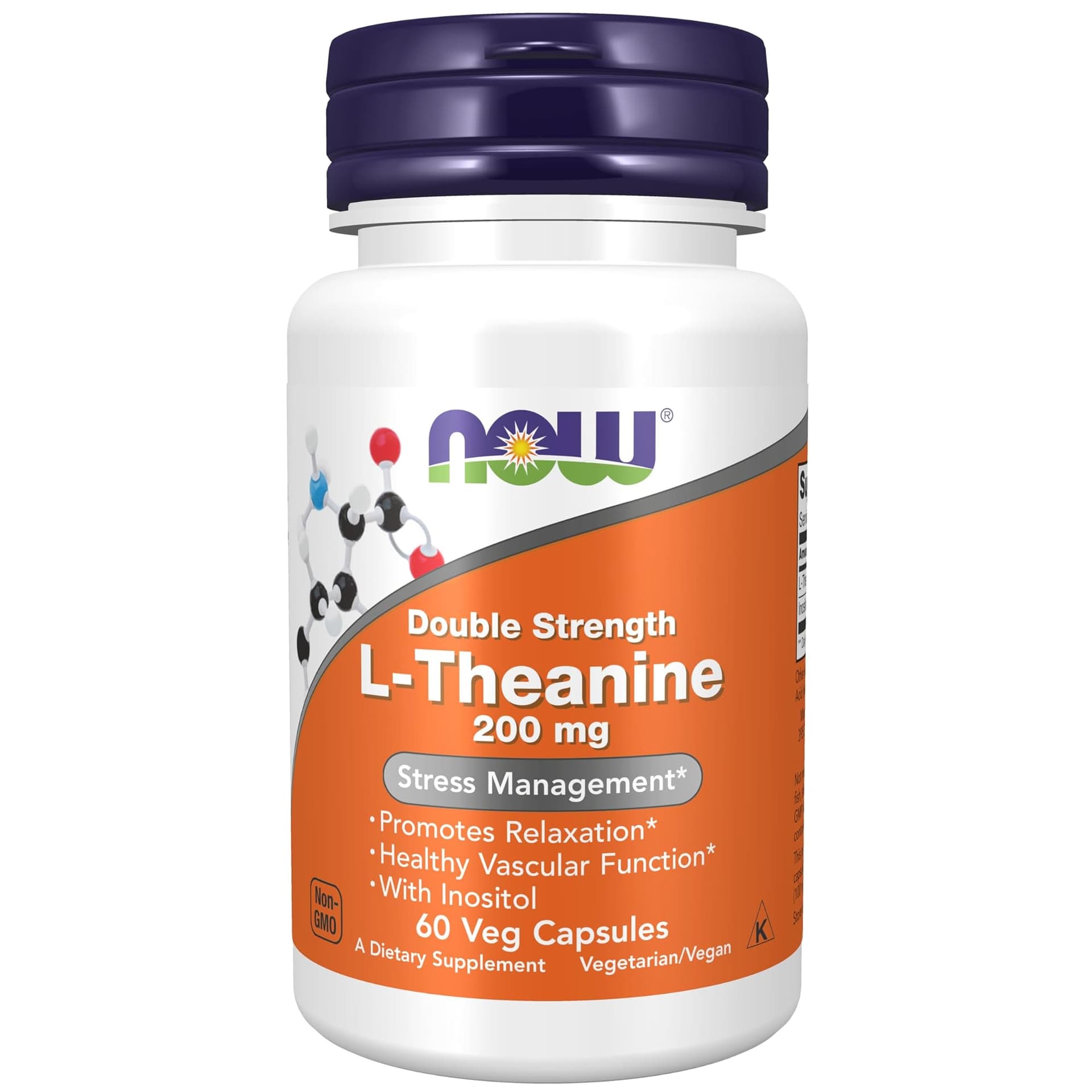

Affiliate disclosure: purchases via these links fund our work at no extra cost to you. Scores are independent of revenue.
Keep going
- ArticleWhy can't I fall asleep? Five causes.
Stress is the dominant cause for many — this is the underlying mechanism.
- ArticleThe 3am wake-up — five most likely causes
Pre-dawn waking is the cortisol-shift signature.
- ArticleMeditation for sleep, ranked by trials
MBSR is the lead intervention for stress-driven insomnia.
- ArticleBreathing exercises for sleep
Acute parasympathetic activation when stress spikes pre-bed.
- ArticleCalming bedtime routine
The 30-min wind-down that includes the journaling step.
- ArticleSleep journaling for a racing mind
The constructive-worry list that turns a 3am worry spiral into a next-day plan.