Sleep tools · Free
When should you go to bed?
Sleep happens in roughly 90-minute cycles. Wake up at the end of one and you feel refreshed; wake up mid-cycle and you feel groggy. This calculator counts back from your wake time and surfaces three candidate bedtimes, ranked by sleep quality. Pick the one that fits your evening — there is no single right answer, only one that fits your night.
From our comparison desk
Wake more gently
If you still wake groggy at your alarm time, a sunrise alarm brightens the room gradually before it, a softer cue than a buzzer.
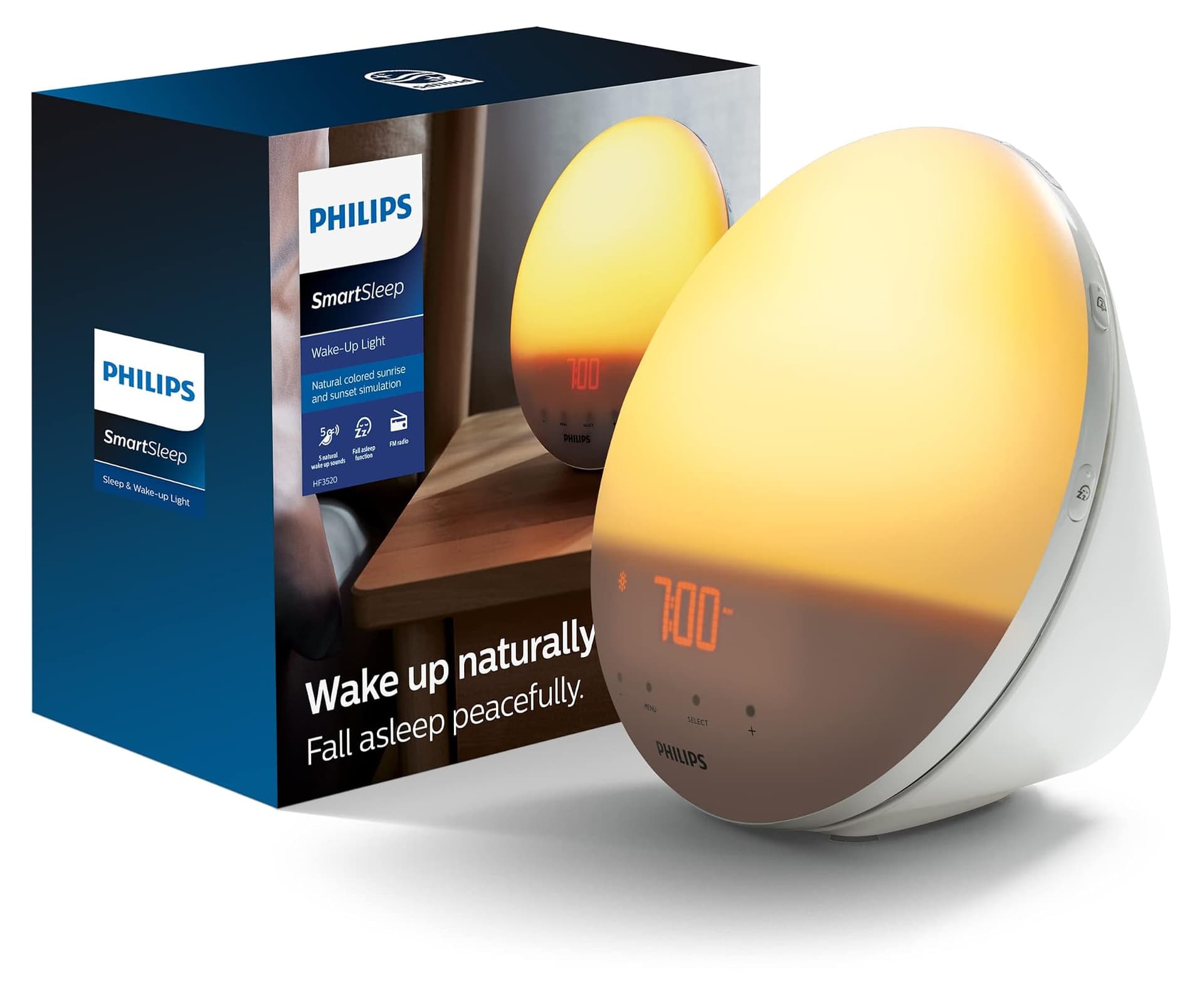
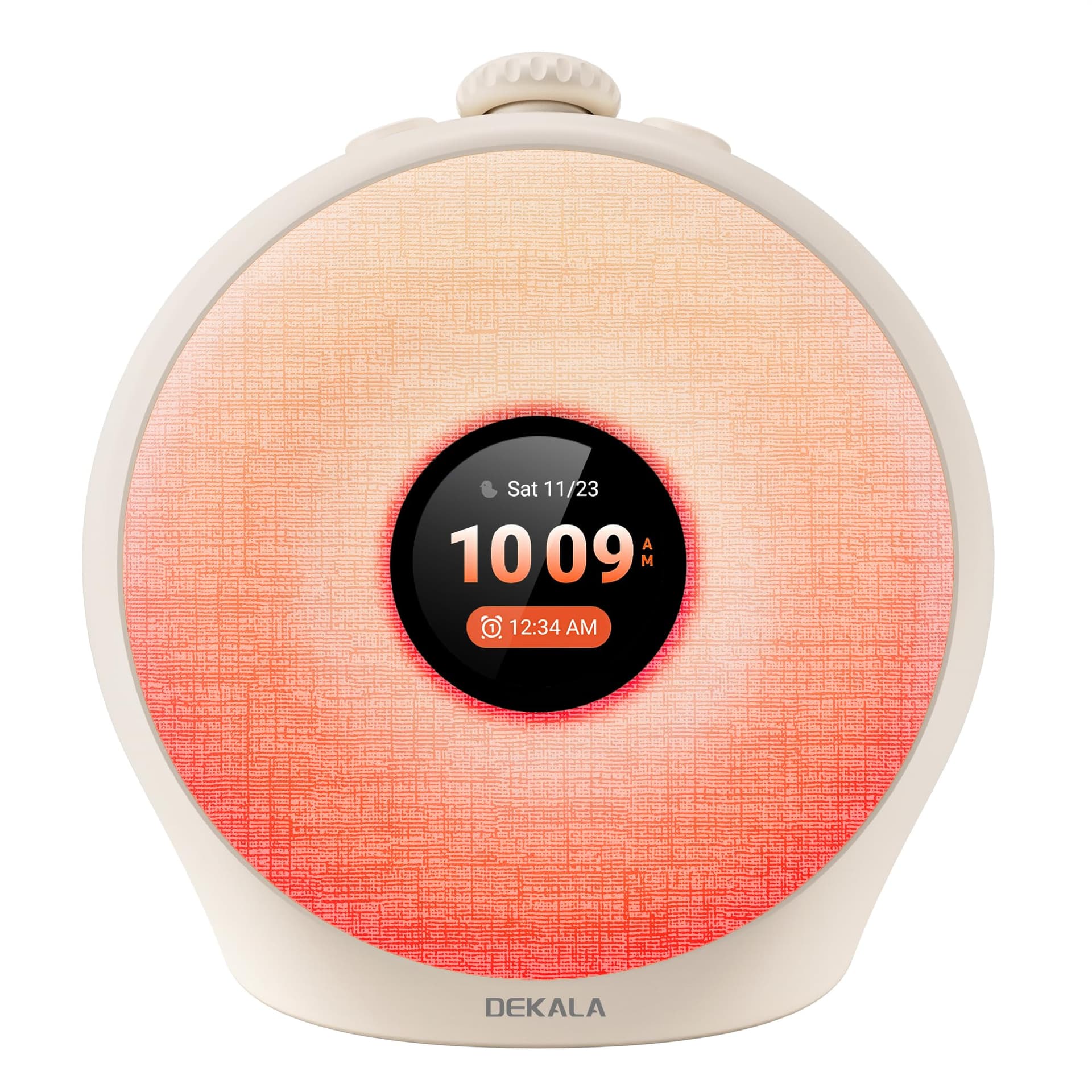
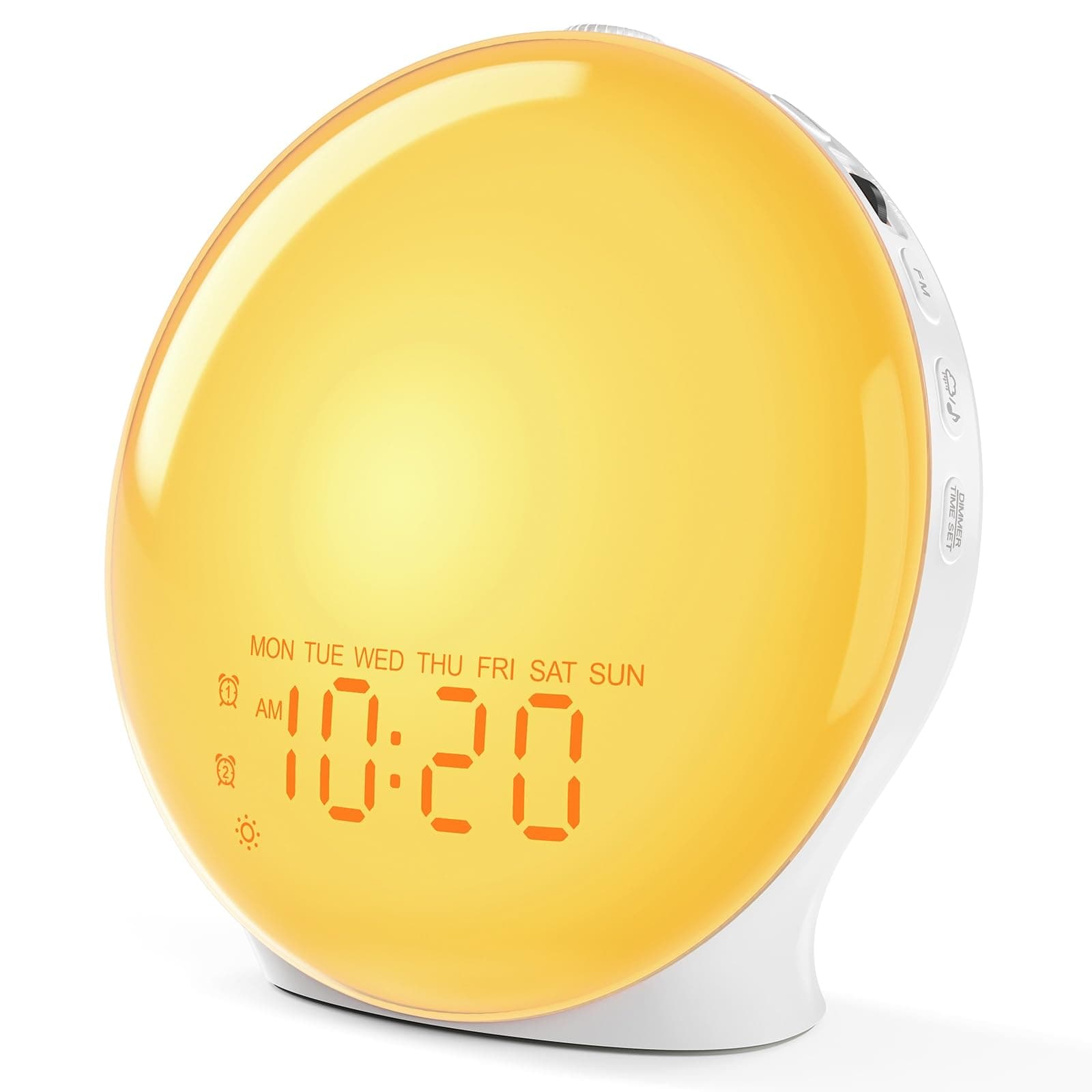
Affiliate disclosure: purchases via these links fund our work at no extra cost to you. Scores are independent of revenue.
How it works
A sleep cycle averages 90 minutes and runs through four stages: light sleep, deeper light sleep, slow-wave (deep) sleep, and REM. Most adults complete five cycles in a typical night — that is the 7.5-hour figure you have probably read about. Teens average six. Seniors land at five.
The trick is to wake at the end of a cycle, not the middle of one. We add the time it takes you to fall asleep (most people land at 10–20 minutes), then count 90-minute cycles back from your wake time. The middle option in the result is the recommended one. The earlier option is "good" — slightly more sleep, slightly later wind-down. The later option is "minimal" — less sleep but lets you stay up later.
Three caveats. One, 90 minutes is an average; your cycles could run anywhere from 70 to 120 minutes night to night. Two, the first cycle is often shorter than the last. Three, this is a heuristic — not a sleep diagnosis. If you wake up exhausted regardless of when you go to bed, see a sleep clinician.
How to read your bedtimes
Each bedtime the calculator returns is timed so a full number of 90-minute cycles ends right at your wake time, leaving you in light sleep when the alarm goes. More cycles means more total rest, so pick the latest bedtime you can actually keep rather than always chasing six cycles.
The 15-minute offset is the time it takes a typical adult to fall asleep, added so the math starts from sleep onset, not from lights-out. Personal cycle length varies from roughly 80 to 110 minutes, so if you still wake groggy on the suggested schedule, try shifting bedtime 15 minutes earlier and compare how you feel.
The science: why 8 hours can feel worse than 7.5
Sleep runs in repeating cycles of light sleep, deep slow-wave sleep, and REM. Deep sleep is front-loaded into the first cycles of the night and REM is back-loaded into the last, so the same clock reading can sit in very different stages depending on when you went to bed.
Waking out of deep sleep produces sleep inertia, the heavy, useless grogginess that Trotti's review documents as measurable cognitive impairment lasting up to an hour after the alarm. Eight hours does not divide evenly into 90-minute cycles and often lands mid-cycle, while 7.5 hours (five clean cycles) ends at a boundary, which is why the shorter night can feel sharper.
How to use it well, and where it stops
The single biggest multiplier is a consistent wake time. The cycle math only pays off if your schedule is stable enough for your body clock to anchor to it, so keep the wake time fixed even on weekends and let bedtime flex.
Treat the 90-minute figure as a population average, not a lab measurement. It gets most adults close enough to feel a difference, but it will not out-perform a genuinely consistent routine, and it does nothing about caffeine, a warm room, or a racing mind. Pair it with a wind-down rather than treating it as the whole fix.
References
- [1]Trotti LM. 'Waking up is the hardest thing I do all day: Sleep inertia and sleep drunkenness.' Sleep Medicine Reviews, 2017.
- [2]Carskadon MA, Dement WC. 'Normal human sleep: an overview.' Principles and Practice of Sleep Medicine (Elsevier). (Sleep-cycle architecture reference.)
FAQ
Common questions.
Why 90 minutes?
Sleep cycles average 90 minutes across most adults. Some people run shorter (70–80 min) and some run longer (100–110 min), but 90 is the canonical figure researchers cite. We use it because the alternative — measuring your actual cycle length — requires a sleep lab.
What if I wake up in the middle of the night?
That is normal. Brief awakenings between cycles are expected and most people fall back asleep without remembering them. The calculator assumes a continuous night; if your wake-ups last more than a few minutes, see a sleep clinician.
Is 5 cycles really enough?
For most adults, yes. The 7.5-hour figure aligns with the National Sleep Foundation's recommended adult range (7–9 hours). Six cycles (9 hours) is fine if you naturally need more sleep; four (6 hours) is short-term acceptable but not a sustainable pattern.
Why do teens need 6 cycles?
Adolescent sleep need is roughly 30 percent higher than adult need due to brain development and hormonal shifts. Teens average 8–10 hours of sleep on a normal schedule; six full cycles (9 hours) hits the middle of that range.
Can I trust the alternative bedtimes?
The alternatives show how an extra cycle (more sleep) or one fewer cycle (less sleep, later bedtime) compares. If you cannot hit the recommended bedtime, the earlier option is the safer trade-off. The later option is a fallback for nights when sleep starts late.
What is the source for this?
The 90-minute cycle figure is from Carskadon and Dement's chapter in the Principles and Practice of Sleep Medicine (2017). Cycle structure varies by age and individual; the heuristic in this calculator is a generalisation, not a diagnosis.
Related
Keep going
- ToolSleep debt calculator
Pair with the cycle calc — if you're carrying debt, bedtime needs to come earlier than the cycle math suggests.
- ToolCaffeine cutoff calculator
Cycle-aligned bedtime is moot if caffeine is fragmenting your deep sleep.
- ToolMelatonin dose calculator
Open the calculator.
- ArticleThe 3am wake-up — five most likely causes
Cycle 3-to-4 boundary is when most mid-night wakings happen.
- ArticleCaffeine and your sleep architecture
Cycle math fails if caffeine is disrupting deep sleep.
- ReviewOura Ring 4
Validates your cycle math against actual measured cycles.