Sleep tools · Free
A free sleep test — score your sleep in eight questions.
Most sleep tests and quizzes give you one number with no idea what to fix. This one breaks the score into five factors — duration, latency, continuity, daytime function, and hygiene — so you can see which is dragging your sleep down. Eight quick questions. Score and ranked recommendations.
From our comparison desk
Cheap fixes for what the quiz flags
Three things this quiz can suggest (a quieter room, a darker room, less screen light before bed) are also the cheapest to act on.
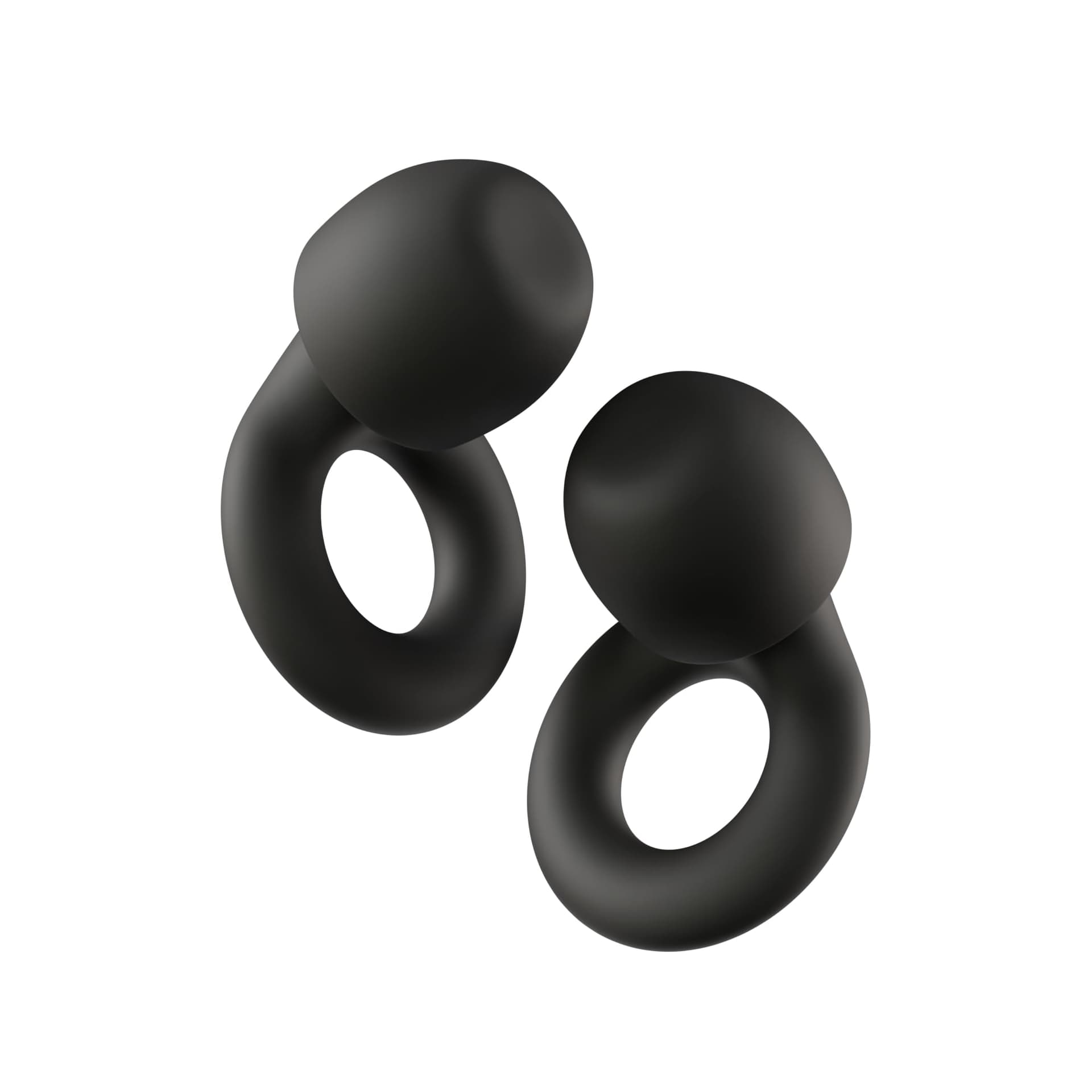
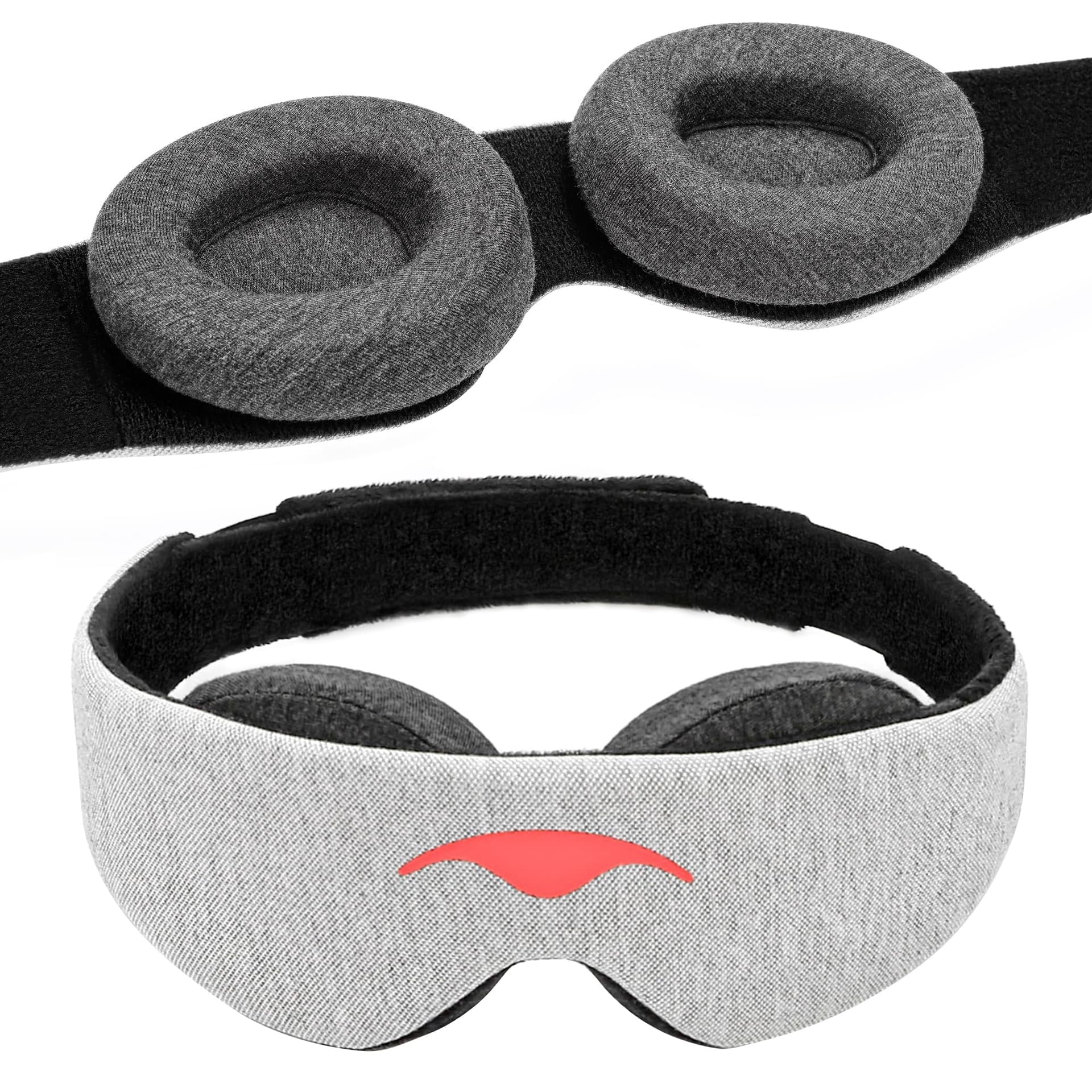
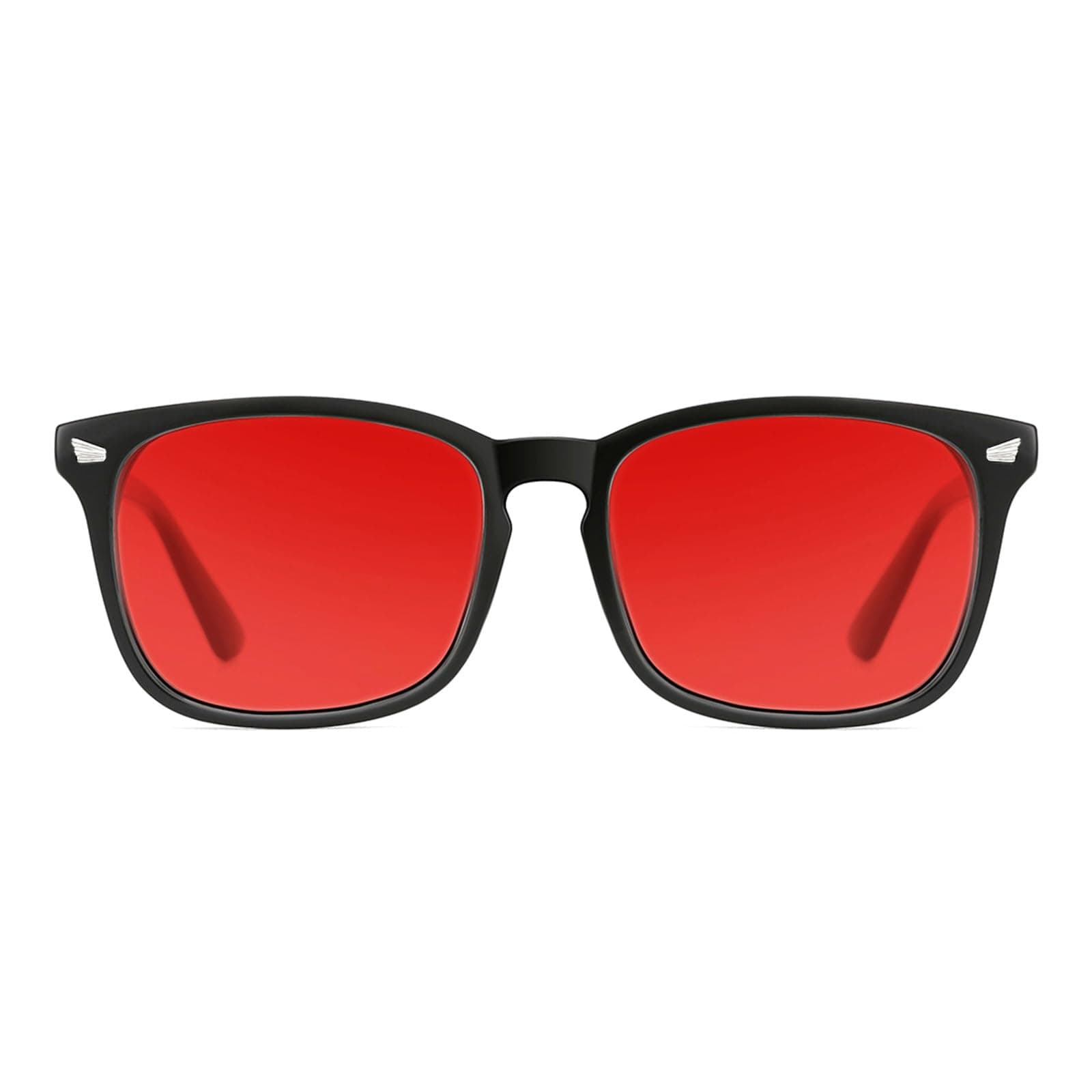
Affiliate disclosure: purchases via these links fund our work at no extra cost to you. Scores are independent of revenue.
How it works
The quiz scores five factors, each on a 0-to-20 scale. Duration measures hours slept against the 7-to-9-hour adult target. Latency is how long you take to fall asleep. Continuity is the number of wake-ups per night. Daytime function combines morning grogginess with daytime sleepiness frequency. Hygiene combines bedtime consistency, when you stop caffeine, and screens in the wind-down. Add the five sub-scores and you get a 0-to-100 overall.
The bands are intentionally generous. 85 and up is excellent — your sleep is materially helping the rest of your life. 70 to 84 is good, with one or two factors worth fine-tuning. 55 to 69 is fair — you can feel the cost in mood, focus, or daytime energy. Under 55 is poor, and the recommendations include a "see a clinician" prompt.
The clinician flag also fires regardless of overall score if your latency is over an hour or your wake-ups are five-plus per night. Both are markers of insomnia or fragmented sleep that benefit from clinical evaluation rather than habit changes alone.
This is a self-assessment, not a diagnostic instrument. The Pittsburgh Sleep Quality Index (PSQI) is the validated clinical version — your physician or a sleep clinic will administer that if you go in.
How to read your score
The 0 to 100 score rolls several sleep dimensions into one figure, with higher meaning better. More useful than the headline number is the weakest dimension it surfaces, because that tells you where to spend effort first rather than trying to fix everything at once.
Treat it as a self-report snapshot, not a lab reading. Its value comes from tracking: take it, change one thing, and take it again a couple of weeks later to see whether the number actually moved.
The science: what a validated sleep score measures
The instrument this quiz is modelled on is the Pittsburgh Sleep Quality Index, introduced by Buysse and colleagues in 1989, which established seven components of sleep quality: subjective quality, how long you take to fall asleep, duration, efficiency, night-time disturbances, use of sleep medication, and daytime dysfunction. Those components remain the standard vocabulary for describing sleep quality.
By mirroring those same dimensions, the quiz produces a number grounded in the evidence rather than a vibe. It is worth knowing that subjective scores correlate with, but do not perfectly match, objective sleep-lab measures, so the score is a guide to how your sleep feels and functions, not a physiological readout.
How to use your result
Aim at the weakest dimension. If falling asleep is the problem, the fix lives in the wind-down and the bedroom; if you wake in the night, the causes are usually caffeine, alcohol, or a mistimed body clock; if duration is short, it is a scheduling question. Change one lever, then re-take the quiz to confirm it helped.
Know the limits. A questionnaire cannot diagnose a sleep disorder, so if your score stays low despite genuinely good habits, or if you snore loudly, gasp, or feel unrefreshed no matter how long you sleep, that is a reason to see a clinician rather than to keep re-scoring.
References
- [1]Buysse DJ, Reynolds CF 3rd, Monk TH, Berman SR, Kupfer DJ. 'The Pittsburgh Sleep Quality Index: a new instrument for psychiatric practice and research.' Psychiatry Research, 1989.
- [2]Hirshkowitz M et al. 'National Sleep Foundation's sleep time duration recommendations: methodology and results summary.' Sleep Health, 2015. (Duration reference for the duration dimension.)
FAQ
Common questions.
Why don't you ask about sleep apnea symptoms directly?
Sleep apnea screening is a clinical task — questions like the STOP-BANG or Epworth scales are validated for that purpose and we're not licensed to issue them as a self-test. The proxy here is wake-up count: five-plus wake-ups per night triggers a clinician recommendation regardless of overall score. If you snore heavily, gasp awake, or are told you stop breathing, talk to a doctor about a sleep study.
How is this different from the PSQI?
The PSQI is a 19-item validated clinical screening tool. This is an 8-item self-assessment focused on actionable habits. The PSQI gives one composite score and seven component scores; this gives one composite and five sub-scores aimed at telling you which lever to pull first. If your score here is poor or your symptoms are persistent, ask your physician for the PSQI as the next step.
I scored excellent but still feel tired. What now?
An excellent quiz score with persistent daytime tiredness suggests something the quiz doesn't measure — sleep apnea is the most common explanation, followed by anemia, thyroid issues, depression, and chronic fatigue conditions. The next step is a doctor's visit, not more sleep optimisation.
Why is bedtime consistency in the hygiene score?
Bedtime consistency outranks total hours for most people on a regular schedule. A consistent 7-hour sleeper usually feels better than an inconsistent 8-hour sleeper because the circadian system runs on prediction — your body warms, cools, and produces hormones in cycles anchored to your usual sleep timing. Variable timing keeps that machinery slightly out of sync.
Should I take the quiz again later?
Yes — the value is in tracking. Take it once today, change one habit (the top recommendation), and re-take it in 4 weeks. Real sleep improvements are slow and incremental, but they compound. A 10-point gain over a quarter is meaningful.
Is the score symmetric — could I score 100?
Yes. Perfect inputs (8 hours, fall asleep in 10 minutes, no wake-ups, refreshed on waking, no daytime sleepiness, consistent bedtime, no late caffeine, no screens in wind-down) score 100. Most people land in the 60-to-80 range. The factor most people lose points on is bedtime consistency — followed by caffeine timing.
Related
Keep going
- ToolSleep cycle calculator
Once the quiz reveals duration is your weak factor, fix bedtime.
- ToolSleep debt calculator
Quiz shows where you leak; debt calc shows the cumulative damage.
- ToolCaffeine cutoff calculator
Hygiene factor often = caffeine timing. Start here.
- ReviewOura Ring 4
Continuous version of the same diagnostic, with data.
- ReviewHatch Restore 2
If your weak factor is wind-down routine, this is the device.