Infant sleep: 4–12 months
Based on the Mindell 2006 AASM evidence review, the Gradisar 2016 RCT, the AASM 2016 sleep-duration consensus, and AAP 2022 safe-sleep guidance.
Infant sleep (4-12 months) settles at 12-15 hours per day across one long overnight stretch and 2-3 daytime naps by 6 months, dropping to 2 naps by 9 months. The 4-month regression is the entry point — sleep architecture matures permanently into adult-style 90-minute cycles, and previous routines stop working. The 4-6 month window is the easiest age for sleep training, before separation anxiety begins around 9 months.
Months 4 through 12 are the period where infant sleep starts to look more like adult sleep — and also where most parents hit the steepest learning curve. The 4-month "regression" is the entry point: sleep architecture matures into adult-like cycles[^1], the previous routine stops working overnight, and parents have to teach independent sleep skills they didn't know were a thing. By 12 months, most infants sleep 11-14 hours a day with one long overnight stretch and 1-2 daytime naps[^2].

| Age | Total sleep / 24h | Wake window | Naps / day | Night stretch |
|---|---|---|---|---|
| 4 months | 12–15h | 90 min – 2h | 3–4 | 8–10h (with 1–2 wakes) |
| 6 months | 12–14h | 2 – 2.5h | 2–3 | 10–11h (1 wake or none) |
| 9 months | 12–14h | 2.5 – 3h | 2 | 11h (typically through) |
| 12 months | 11–14h | 3 – 4h | 1–2 | 11–12h (through) |
The 4-month sleep maturation
Around 4 months, your baby's sleep architecture changes permanently. Before this, infants spent ~50% of sleep in active REM and transitioned between stages without fully waking. After 4 months, sleep cycles become full adult-style cycles (~50-60 minutes at this age, growing to 90 minutes by school age) with brief micro-arousals between every cycle[1].
This is the source of "the 4-month regression." The baby who slept 8-hour stretches at 3 months suddenly wakes every 45 minutes at 4 months because they've now hit a fully conscious micro-arousal between every cycle and no longer know how to re-settle. The fix is teaching independent sleep skills, not waiting it out[3].
Independent sleep skills means falling asleep without active soothing — without nursing to sleep, rocking to sleep, or being patted down. The baby learns to navigate the awake-but-tired state and slip into sleep on their own. Once they have this skill, they re-settle through micro-arousals automatically and sleep stretches consolidate.
“The 4-month regression isn't a regression — it's a one-time architecture upgrade. The previous routine stops working overnight, and the fix is a new skill: independent sleep onset.”
Wake windows lengthen, naps consolidate
Wake windows at this age stretch from about 90 minutes (4 months) to 3 hours (12 months). Naps consolidate from 4-5 short naps to 2-3 longer naps. The morning nap is usually the most predictable; the afternoon nap is usually the longest; the third (cat) nap is the first to drop, typically around 8-9 months.
By 6 months, most infants are on a 2-3 nap day with 11-12 hours of nighttime sleep. By 9 months, 2 naps. The 2-to-1 nap transition starts as early as 12 months and as late as 18 months — that's a toddler-stage transition, not infant-stage.
The AASM consensus recommendation for infants 4 to 12 months is 12 to 16 hours per 24 hours including naps[2]; most babies in this window land in the 12-15 hour part of that band. Individual variation of ±1 hour around wherever your baby settles is common. If your baby is happy, eating well, and developmentally on track, you're in the normal range.
Sleep training options
Sleep training is teaching independent sleep skills. Multiple approaches work; pick what fits your family[3]:
Graduated extinction (Ferber): place baby down awake, leave, return at increasing intervals. Strongly supported in the AASM evidence review[3], and the Gradisar 2016 RCT[4] found large reductions in time-to-fall-asleep and in night wakings. (Full "unmodified extinction" — leave and do not return — is the version with the strongest evidence base in the AASM review, and the hardest for most parents to run.)
Bedtime fading: temporarily push bedtime later, closer to when the baby actually falls asleep, then pull it earlier. In the same Gradisar RCT it improved sleep latency about as much as graduated extinction. Twelve months after the intervention, that trial found no differences between groups in children's emotional or behavioural problems or in parent-child attachment[4]. Note the trial was small — 43 infants aged 6 to 16 months — so it is reassuring rather than definitive.
Chair method / camping out: sit by the crib, gradually move farther away over nights. Slower but allows parental presence. Evidence here is weaker than for the extinction-family methods; it is a variant of the graduated approaches rather than a separately trialled one.
Pick up / put down: pick up to soothe, put back when calm. Repeats endlessly the first 2-3 nights. Works for some babies, exhausting for parents, and many sleep consultants now consider it less effective than the alternatives.
No-cry / gentle: gradual reduction of sleep associations (e.g., move from nursing-to-sleep to drowsy-but-awake over weeks). Slowest (4-8 weeks) and works best when started early.
The research is consistent that all of these work; family fit matters more than which method[3]. Don't start before 4 months — the sleep architecture isn't ready. The 4-6 month window is the easiest time; later starts work but take longer.
The complete printable parent toolkit.
Twelve printables that pair with the SleepyHero tools — wake-window cards, sleep-debt logs, the newborn night-feeds tracker, the 4-month regression playbook, and more. Free downloads, always updated.
Get the 12 free printables →Sleep environment that helps
The infant sleep environment is simpler than most marketing suggests. A firm, flat, non-inclined sleep surface (crib, bassinet or play yard that meets current safety standards)[6], the room dark to blackout level, white noise kept quiet and as far from the crib as practical (sound machines can exceed safe infant exposure levels at close range and high volume[5]), a comfortable room temperature, and a sleep sack instead of loose blankets.
Sleep sacks vs swaddles: stop swaddling as soon as your baby shows any sign of trying to roll, typically around 3-4 months[6]. After that, sleep sacks (wearable blankets) replace swaddles. Keep loose blankets, pillows and soft objects out of the sleep space for at least the first 12 months — the AAP guidance is firm on this[6].
Things you don't need, and in most cases should avoid: pillows, stuffed animals, bumper pads, weighted blankets, weighted sleepers or weighted swaddles (the AAP recommends against all weighted sleep products), and inclined sleepers or positioners[6]. The bare crib is the safest crib.
Calculate your child's next nap window.
Enter your child's age and last wake time. The tool returns the recommended next sleep window — and explains where the band came from.
Common problems at this age
Short naps (under 45 minutes): often a wake-window mismatch. Try the upper end of the wake window for several days; if naps lengthen, you had it too short. Past 6 months, "30-minute intruder" wakings often happen at the cycle boundary — independent sleep skills resolve this.
Early waking (before 6 AM): usually means bedtime is too late or last nap is too late. Try moving bedtime 15 minutes earlier. If bedtime is already early, last nap might be ending too late.
Sleep regressions at 8-10 months: usually developmental leaps (crawling, pulling up, separation anxiety). Stay consistent with the routine; this passes in 2-3 weeks.
Bedtime resistance starting around 9 months: separation anxiety peaks here. A consistent wind-down routine, dim lights, and a transitional object (small comfort blanket, lovey introduced after 12 months for safety) help.
What actually moves the needle.
Each strategy below is rated by evidence strength, with the specific source and what it does and doesn't solve. Run them in order.
Teach drowsy-but-awake at bedtime
The single highest-leverage skill in this age window. Place baby in the crib drowsy but still awake (eyes open, calm). They learn to fall asleep without active soothing — and re-settle automatically through the cycle-boundary micro-arousals that previously caused full wake-ups.
- +Resolves cycle-boundary wakings without parent intervention
- +Trials report clinically meaningful improvement, sustained at 3-6 month follow-up
- +Skill transfers to nap re-settling and travel disruption
- −Babies under 4 months (architecture not ready)
- −Acute illness, teething, or fever — pause and resume after
Match wake windows to age, watch the cues
Wake windows stretch fast from 4 to 12 months — by month, not by week. Use the age band as a starting point and adjust by ±15 minutes based on cues. Overtired before nap → overtired at bedtime → broken nights. Under-tired → bedtime resistance.
- +Easier sleep onset, fewer 30-min naps
- +Fewer false-start bedtimes
- +Predictable schedule emerges naturally
- −Over-rigid clock schedules — cues outweigh times
- −Doesn't fix sleep-association issues alone
Lock in the wind-down routine
A consistent 20-30 minute pre-sleep sequence (bath → book → song → crib) signals the brain that sleep is coming. Same order, same room, same lighting. In a randomised trial, adding a consistent nightly routine on its own significantly shortened time-to-fall-asleep and reduced night wakings.
- +Faster sleep onset
- +Fewer night-wakings
- +Survives travel, daycare, illness disruption
- −Won't override an underlying sleep-association issue
- −Routines under 15 minutes are too short to register as a cue
What you get here that you don't get elsewhere.
- This guide
- We name the actual trial evidence (Mindell 2006, Gradisar 2016, Hall 2015), what it covers — infants from about 6 months — and flag that the 'start at 4-6 months' framing is clinical consensus rather than a trial result.
- Typical alternative
- Treat sleep training as universally controversial without acknowledging the developmental window evidence.
- This guide
- We distinguish the permanent 4-month architecture change from the short-lived 8/12-month developmental-leap disruptions — different problems, different fixes.
- Typical alternative
- Lump all 'regressions' together with the same advice, leading to misapplied strategies.
- This guide
- Pick one sleep-training method and run it for 7 nights — methods don't work if you switch every night. Concrete switching warning, not just method options.
- Typical alternative
- List 4 methods without warning that switching mid-stream is what causes failure.
- This guide
- Specific developmental thresholds for night weaning (6-9 months breastfed, 4-6 months formula) — and the 'discuss with pediatrician first' guard.
- Typical alternative
- Give blanket night-wean advice that doesn't account for feeding type or pediatric clearance.
Persistent loud snoring or gasping (possible apnea), no clear progression in sleep skills despite consistent practice for 4+ weeks, weight gain falling off the curve, daytime developmental delays, or any acute change (sudden refusal to sleep that lasts more than a few days). Sleep apnea in this age group is rare but real and treatable.
Related tools
Wake-window data for 4-12 months — find the right awake interval for your baby's age.
Build a daily schedule including the right number of naps and bedtime for the band.
Browser-based white/pink noise with infant safety guardrails (≤50 dB cap).
People also ask
Is sleep training safe for babies?
The evidence available is reassuring. The AASM's 2006 review of 52 treatment studies found behavioural methods reliably effective, and Gradisar's 2016 RCT found no differences in children's emotional or behavioural problems or in parent-child attachment 12 months after the intervention. That trial was small (43 infants), so 'no evidence of harm' is the honest summary rather than 'proven harmless'. Most pediatric sleep specialists suggest starting around 4-6 months; before 4 months the sleep architecture isn't ready.
How many naps should a 6-month-old take?
Most 6-month-olds are on 2-3 naps per day with about 2-2.5 hours of total daytime sleep. The third (cat) nap is short and bridges the long afternoon wake window to bedtime. It typically drops between 8 and 10 months when wake windows can stretch to 3 hours. Total daily sleep at 6 months is 12-14 hours.
When does the 4-month regression end?
It's not really a regression and it doesn't 'end' on its own — sleep architecture has matured permanently and stays this way. What ends is the chaos: most families resolve it in 2-4 weeks by teaching independent sleep skills. If you wait it out without teaching the skill, broken nights can persist for months.
Why does my 8-month-old wake up crying at night?
Most common causes at 8 months: a developmental leap (crawling, pulling up — practising new skills in the crib), separation anxiety which peaks around 8-10 months, or a sleep-association reset. A consistent routine + drowsy-but-awake at bedtime resolves most cases within 1-2 weeks. If new wakings persist past 4 weeks, look at what changed about how baby falls asleep at bedtime.
Glossary.
The technical vocabulary used in this article, in plain English.
- Sleep architecture maturation
- The 4-month transition from primitive 50-minute newborn cycles to adult-style 90-minute cycles with four distinct stages (N1, N2, N3, REM) and end-of-cycle partial wake-ups.
- Independent sleep skills
- The ability to fall asleep without external assistance (rocking, feeding, holding) and to re-settle through end-of-cycle wake-ups without parental intervention. Built through drowsy-but-awake practice and consistent wind-down routines.
- Sleep training
- Structured methods for teaching independent sleep onset and re-settling. Common approaches: extinction (cry-it-out), graduated extinction (Ferber), bedtime fading, chair method. Trials support these from around 6 months; clinicians commonly suggest 4-6 months as the easiest window to start.
- Separation anxiety
- A normal developmental milestone that begins around 8-9 months when infants form clear primary attachments and protest separation. Sleep training is significantly harder once separation anxiety has begun — which is why the pre-9-month window matters.
- Sleep regression
- Periods of disrupted sleep in an otherwise good sleeper. The 4-month is the only true architecture-change regression; the 8-month and 12-month regressions are typically short-lived disruptions tied to motor and language milestones.
- Nap consolidation
- The progression from many short newborn naps to fewer, longer infant naps. By 6 months most infants are on 3 naps; by 9 months, 2 naps; by 15-18 months, 1 nap.
- Night weaning
- The process of gradually reducing or eliminating overnight feeds once a baby is developmentally ready (typically 6-9 months for breastfed babies, 4-6 months for formula-fed). Always discuss with pediatrician before night weaning before 6 months.
- Bedtime fading
- A gentle sleep-training technique that temporarily moves bedtime later (closer to when the baby actually falls asleep), then gradually pulls it earlier as sleep onset becomes faster. Useful when standard sleep training feels too aggressive.
From our comparison desk
Gear that helps
Picks that pair with this guide — scored independently.
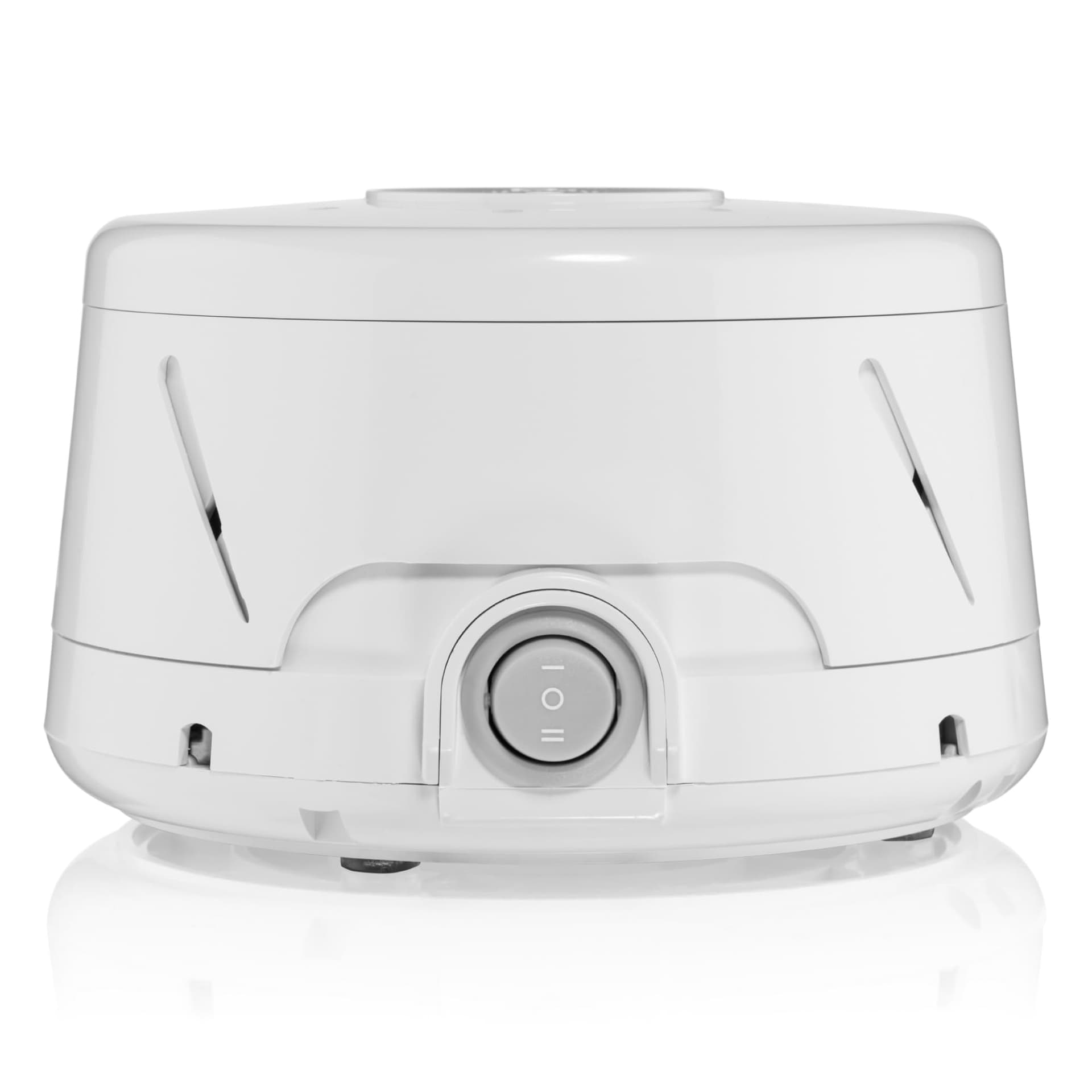
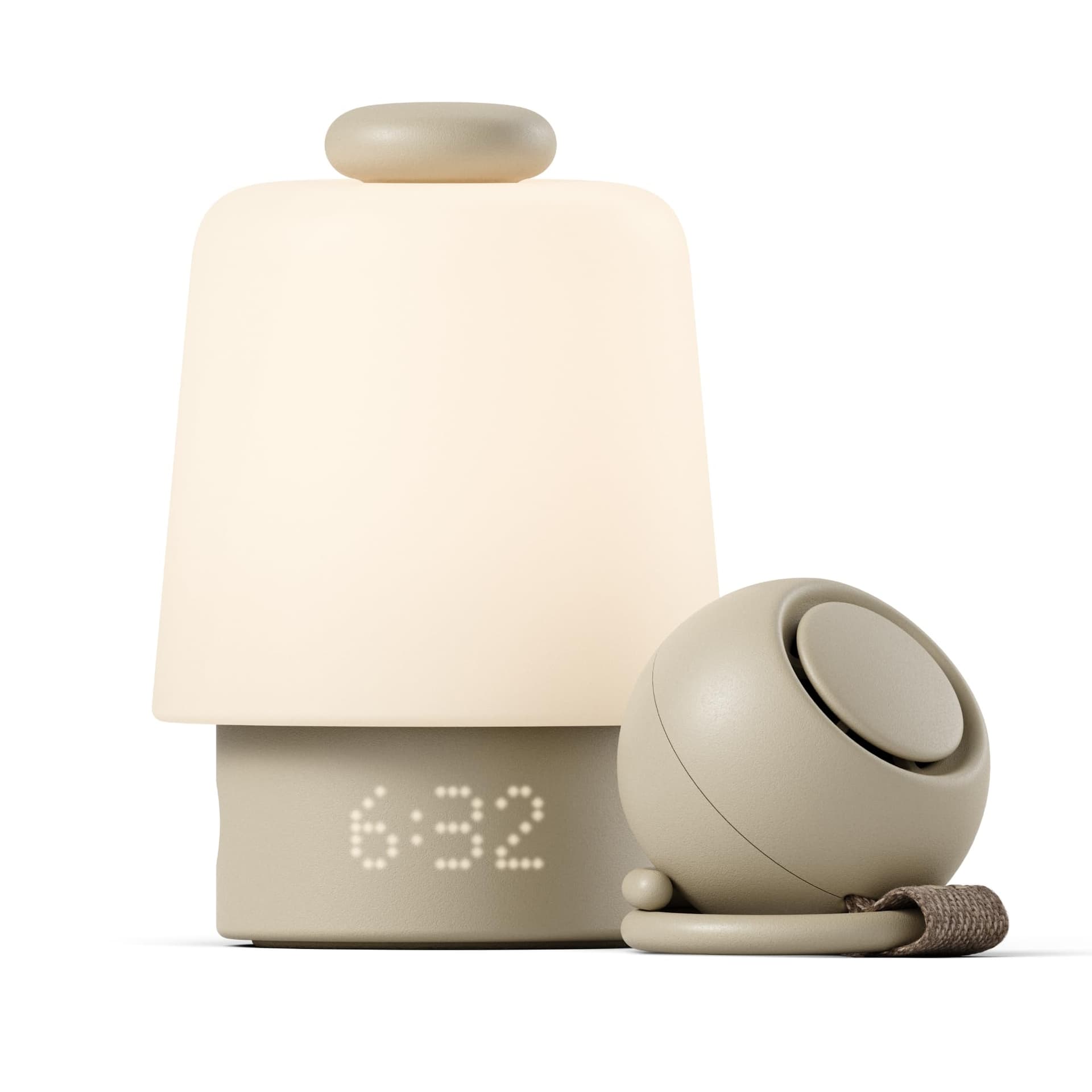

Affiliate disclosure: purchases via these links fund our work at no extra cost to you. Scores are independent of revenue.
FAQ
Is sleep training cruel?
The research to date has not found long-term emotional or attachment harm from the standard sleep training methods (Mindell 2006 AASM review of 52 studies; Gradisar 2016 RCT, 12-month follow-up, 43 infants). Short-term tears do not appear to equal long-term harm, though the follow-up periods in these studies are measured in months and a single year, not decades. That said, no method is right for every family — pick what you can sustain consistently. The biggest predictor of failure is inconsistency, not method choice.
When should I drop the third nap?
Most infants drop the cat nap (third short afternoon nap) between 8 and 10 months. Signs your baby is ready: refusing the third nap on most days, the third nap pushing bedtime past 8 PM, total daily sleep dropping naturally because of it. Drop it abruptly rather than gradually — a 'dropped' nap means an earlier bedtime that day to compensate.
My baby was sleeping through, now wakes 4x a night. Is this a regression?
Likely yes if your baby is around 4 months (sleep maturation), 8-10 months (developmental leap, often crawling), or 12 months (transition to one nap). True regressions resolve in 2-4 weeks if you stay consistent with routines. If new night-waking lasts longer than 4-6 weeks, look at the underlying sleep skills — did anything change about how baby falls asleep at bedtime?
What about night feeds — when do they stop?
Most pediatricians say once baby is on solids and gaining weight on the curve (around 6-9 months), night feeds are no longer nutritionally needed. Practically, many babies still wake out of habit. Reducing night feeds gradually after 6 months is a personal choice — there's no medical urgency unless feeds are interfering with daytime intake.
Pacifier — yes or no?
The AAP recommends considering a pacifier at nap time and bedtime, because observational research links pacifier use at sleep onset with reduced SIDS risk. If you are breastfeeding, wait until feeding is well established. Do not attach the pacifier to a string, clip or stuffed toy in the crib, and there is no need to put it back in once your baby is asleep. If it falls out and your baby cries for it repeatedly overnight, that's a sleep association worth weaning around 9-12 months when it becomes more disruptive than helpful.
Can I co-sleep / bedshare?
The AAP recommends room-sharing — baby on their own separate, firm, flat sleep surface in your room — ideally for at least the first 6 months, and does not recommend bed-sharing at any age. Risk is highest for infants under 4 months, on soft or inclined surfaces, on sofas or armchairs, where anyone smokes, where a parent has used alcohol, cannabis, opioids or sedating medication, and where there is any soft bedding. If you may feed in your own bed, the AAP's harm-reduction advice is to remove pillows and soft bedding first and to move your baby back to their own sleep surface afterwards. Talk it through with your pediatrician.
Article consolidates Mindell & Owens "A Clinical Guide to Pediatric Sleep" 3rd edition, the AASM 2016 pediatric sleep-duration consensus (AAP-endorsed), the Mindell 2006 AASM review of behavioural sleep interventions (52 treatment studies), the Gradisar 2016 RCT of graduated extinction vs bedtime fading vs control (43 infants, 12-month follow-up), and the AAP's 2022 safe sleep recommendations. Reviewer signoff by Marie Hansen, PSC pending.
- [1]Mindell JA, Owens JA. A Clinical Guide to Pediatric Sleep: Diagnosis and Management of Sleep Problems. 3rd ed. Lippincott Williams & Wilkins; 2015.
- [2]Paruthi S, Brooks LJ, D'Ambrosio C, et al. Recommended Amount of Sleep for Pediatric Populations: A Consensus Statement of the American Academy of Sleep Medicine. J Clin Sleep Med. 2016;12(6):785-786.
- [3]Mindell JA, Kuhn B, Lewin DS, et al. Behavioral treatment of bedtime problems and night wakings in infants and young children. Sleep. 2006;29(10):1263-76.
- [4]Gradisar M, Jackson K, Spurrier NJ, et al. Behavioral Interventions for Infant Sleep Problems: A Randomized Controlled Trial. Pediatrics. 2016;137(6):e20151486.
- [5]Hugh SC, Wolter NE, Propst EJ, Gordon KA, Cushing SL. Infant sleep machines and hazardous sound pressure levels. Pediatrics. 2014;133(4):677-681.
- [6]Moon RY, Carlin RF, Hand I; AAP Task Force on Sudden Infant Death Syndrome and Committee on Fetus and Newborn. Sleep-Related Infant Deaths: Updated 2022 Recommendations for Reducing Infant Deaths in the Sleep Environment. Pediatrics. 2022;150(1):e2022057990.
Marie Hansen, PSC
Pediatric Sleep Consultant (PSC) trained through the Family Sleep Institute. Edits every parent-zone article on SleepyHero.
Last updated:
SleepyHero independently researches every article. We do not accept payment from product manufacturers, sleep training programs, or supplement brands for editorial coverage. Affiliate links to recommended tools support the site at no cost to you.
Keep going
- ToolWake windows by age
Wake windows stretch from 90 minutes to 3 hours over months 4 to 12.
- ToolBaby sleep schedule
Schedule with the right number of naps for the band.
- ToolWhite noise generator
Useful through the first year for masking household noise.
- ArticleThe 4-month sleep regression
The entry point to this age window.
- ArticleNewborn sleep: 0–3 months
What you came from.
- ArticleToddler sleep: 1–3 years
Where you're heading after the first year.