HEAD-TO-HEAD · UPDATED 2026-07-27

Purple RestorePremier Hybrid Queen vs TEMPUR-Adapt Medium Hybrid Queen Mattress

Spec-based scoring, dimension-by-dimension verdicts, and honest deal breakers. Total cost of ownership over 3 years included.

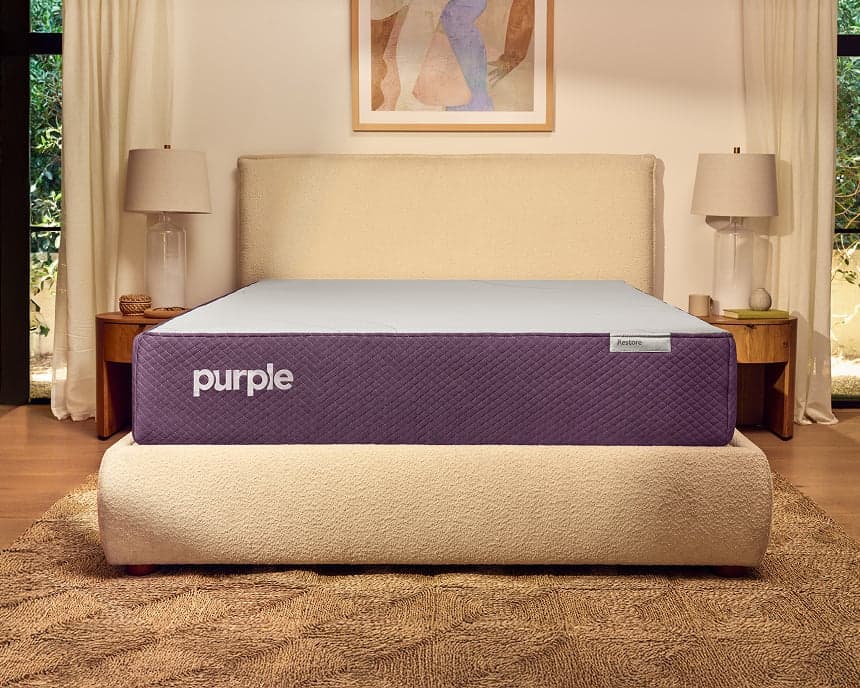
Purple RestorePremier hybrid mattress on a modern platform bed
Purple
Purple RestorePremier Hybrid Queen
Check price
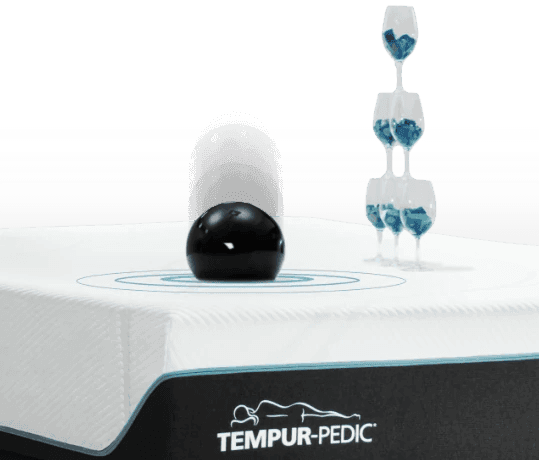
Tempur-Adapt Medium Hybrid mattress on a premium bed frame
Tempur-Pedic
TEMPUR-Adapt Medium Hybrid Queen Mattress
$2,599.00
VS
The 60-second verdict

Get Purple RestorePremier if

You sleep hot, move around at night, or actively dislike the sinking feel of memory foam — the GelFlex Grid collapses at your pressure points while staying open enough for air to move through it.

Get TEMPUR-Adapt Medium if

You want the deepest contour on the shortlist and the quietest bed to share — TEMPUR-ES is the original slow-response foam every other brand imitates, and it isolates motion best in our comparison.

Tied on

Both are premium hybrids over pocketed coils, both are CertiPUR-US certified, both ship free with a 10-year warranty, and both score 8.5 on support in our scorecards. Neither carries a subscription, an app, or any ongoing cost. Price is not close: the Purple costs roughly two-thirds more.

5-dimension score

How they compare across every dimension

SupportCoolingMotion isolationEdge supportValue
Purple RestorePremier Hybrid Queen
TEMPUR-Adapt Medium Hybrid Queen Mattress
Support8.5·8.5
Cooling9.5·7.5
Motion isolation8·9.5
Edge support8·8
Value7·6.5

Buyer self-select

Best for you if…

If you…Pick
Best for hot sleepersPurple RestorePremier
Best for deep contour and pain reliefTEMPUR-Adapt Medium
Best for couples with a restless partnerTEMPUR-Adapt Medium
Best for combo sleepers who change position all nightPurple RestorePremier
Best on outright priceTEMPUR-Adapt Medium
Best safety net if you're unsurePurple RestorePremier
Best if you already know you love memory foamTEMPUR-Adapt Medium
Our pick · overall

Purple RestorePremier Hybrid Queen

The narrow pick on fit rather than money: ten more trial nights, a wider position range, and a 9.5 vs 7.5 cooling score in our scorecards. Be straight about the margins, because there are two. Our composite has Tempur-Adapt ahead 8.8 to 8.7, which is inside the noise — and Purple now costs roughly two-thirds more. Tempur wins outright if deep contour, a restless partner, or the budget is your real problem.

Check pricevs $2,599.00

Deep dive

The head-to-head, dimension by dimension

Cooling — an open grid vs dense foam

Winner: Purple RestorePremier

Start with the mechanism, because it explains everything else in this comparison. Purple's 3″ GelFlex Grid is an open, air-permeable structure: the walls buckle under load rather than compressing into a solid mass, so the top layer keeps passing air even while it's holding your hips. The TEMPUR-Adapt puts TEMPUR-ES viscoelastic foam over its 1000+ pocketed coils, and dense viscoelastic foam is close to airtight by design. That density is exactly what produces the contour people buy Tempur for, and it is exactly what holds heat. Tempur's answer is a cool-to-the-touch cover — a surface treatment that helps at the point of contact but doesn't change the several inches underneath it.

On numbers, be careful about who is claiming what. Purple's own thermal testing rates the RestorePremier up to 4x cooler than leading competitors. That is Purple's claim, not one we hold — we did not measure the surface temperature of either bed, and we are not attaching a figure to the Tempur at all. What isn't in dispute is direction: "sleeps warm — dense foam traps heat" is the first con on our own Tempur-Adapt page, and Tempur-Pedic's product story has never been about running cool.

In our scorecards this is the widest gap between the two beds anywhere — Cooling 9.5 for Purple, 7.5 for Tempur-Adapt. Every other dimension here is a matter of preference. This one isn't. If you wake up hot most nights, this row settles the comparison and nothing below it should change your mind.

Contour and pressure relief

Winner: TEMPUR-Adapt Medium

TEMPUR-ES is the original slow-response material, and the reason it still leads on contour is that slow response means it keeps deforming under sustained load until it matches your shape rather than pushing back against it. For a side sleeper with a sharp shoulder, or a back sleeper with a lumbar gap, that continued give is the thing that fills the space. Tempur publishes the Adapt's feel as Medium and Purple publishes the RestorePremier's as soft — neither brand prints a number — and Tempur takes a 10 for comfort in our dimension scores against Purple's 9.

Purple does pressure relief, but by a different route: the Grid collapses selectively where the load concentrates — hips and shoulders — while the support zones around it stay firm. Our Purple page describes the result as pressure relief without the memory-foam "stuck" feel, and that's a fair summary of both the benefit and the limit. The Grid gives way at a point; TEMPUR-ES wraps a whole limb. Both relieve pressure. Only one of them melts.

Worth noting the two beds tie at 8.5 on support in our scorecards, so this isn't a disagreement about whether your spine is held — it's about what the surface does on the way there. If pain relief is the specific reason you're mattress shopping, Tempur is the safer bet, with one caveat straight off its own cons list: that deep contour is what makes changing position harder.

Responsiveness and moving on the bed

Winner: Purple RestorePremier

This is the mirror image of the dimension above, and it's the cost of the contour rather than a separate flaw. Slow response is the defining quality of TEMPUR foam: it takes a beat to recover, so rolling over means climbing out of the impression you just made while the foam is still catching up. Our Tempur-Adapt page lists "deep contour makes position changes harder" as a con, and lists its sleep positions as back and side.

The Grid is elastic rather than viscoelastic. It buckles under load and springs back the instant the load moves, which is why Purple's page lists side, back and combo — the extra category is the whole point. Purple's own cons flag the flip side honestly: it's a distinct feel, and some sleepers never adjust to it.

The practical read is about who you are, not which is better engineered. Combo sleepers, couples with a big weight difference, anyone pregnant, and anyone with mobility limits that make pushing off a soft surface hard should weight this row heavily — sinking in is a feature right up until you need to get out.

Motion isolation and sharing the bed

Winner: TEMPUR-Adapt Medium

Density that traps heat also absorbs energy, so the same property that loses Tempur the cooling row wins it this one. Dense slow-response foam soaks up a partner's movement instead of transmitting it across the bed. In our scorecards Tempur-Adapt takes 9.5 for motion isolation against Purple's 8, and its pros line calls it the best motion isolation in our comparison — worth reading as exactly that, a ranking within the beds we compared rather than an absolute.

Purple at 8 is not a weak result. The Grid's walls buckle locally rather than rocking the whole surface, and the pocketed coils beneath are individually wrapped, which is most of why hybrids beat traditional innersprings here. But springiness is transmission — the responsiveness that wins the row above is the same property that costs it this one. You cannot have both from one material.

Both beds are hybrids sitting on pocketed coils — Purple at 13″, the Adapt at 11″ — so neither is the dead-silent all-foam slab some shoppers are imagining. If your partner gets up at 5am, or a dog lands on the bed nightly, Tempur is the clearer answer. If nobody shares the bed, this row is worth close to nothing and you should spend the decision on cooling instead.

Feel, firmness and the adjustment period

Tie

On paper these sit next to each other: Purple describes the RestorePremier as soft — the Grid firms up under weight and gives way where you contour into it — while Tempur publishes the Adapt as Medium, with the slow-response melt it invented. Neither brand prints a numeric firmness, and that shared vagueness understates the gap, because they don't feel like neighbours on a scale. They feel like different categories of object.

The adjustment risk is asymmetric and worth naming before you buy. Purple's risk is strangeness: its own cons list says plainly that some sleepers never adjust to the Grid, and there is no way to know in a showroom which one you are. Tempur's risk is the opposite — it is the most familiar premium mattress feel on the market, so if you already dislike memory foam you almost certainly know it, and no amount of coil underneath will change the top three inches.

Which is why the trial length matters more on this row than on any other: 100 nights for Purple against 90 for Tempur. Neither is a bed you can judge in a week, and both brands know it.

Trial, warranty and buyer risk

Winner: Purple RestorePremier

Purple: 100-night trial, 10-year warranty, free shipping. Tempur-Adapt: 90-night trial, 10-year full warranty, free shipping. Ten nights is a small gap in absolute terms, but our Tempur-Adapt page calls its 90 nights the shortest on our shortlist, and it's the one axis where a premium brand is offering less than the category norm rather than more.

Buyer ratings land in the same place for both — 4.6 stars each, across 18,700 ratings for Purple and 9,600 for Tempur-Adapt. Don't over-read the volume difference as a quality difference; it reflects how long and how widely each has been sold at this price point, not how happy owners are. Same average, different sample size.

On longevity, both pages make a durability claim and neither is something we can stand behind from measurement: Purple says the Grid survives years without body impressions, Tempur says the foam holds its feel for a decade. Both are plausible for the construction, both carry the same 10-year warranty, and neither has been observed by us over ten years. Treat the warranty as the promise and the claim as marketing.

3-year Total Cost of Ownership

Winner: TEMPUR-Adapt Medium

Purple RestorePremier: sold at purple.com. TEMPUR-Adapt Medium Hybrid: sold at tempurpedic.com, matched by Mattress Firm and other authorised retailers under Tempur's MAP pricing. Neither carries a subscription, an app fee, a consumable, or anything that plugs in, so three-year cost is simply purchase price — and the Purple costs **roughly two-thirds more**.

That is not a rounding error you can wait out, and it changes how the rest of this page should be read. Purple promotes with free pillows rather than markdowns and holds the RestorePremier flat; Tempur holds MAP and every authorised retailer we checked was at the same price. There is no realistic sale on either side that closes a gap this size.

So price is now Tempur's clearest argument, not a tiebreaker. Purple still wins cooling 9.5 to 7.5 and gives you ten more trial nights, and if you overheat every night that may well be worth the difference to you — but it is a specialist purchase at this price, not the sensible default. If your budget stops short of the Purple, the Adapt is the bed on this page you can actually buy, and a grid-topped mattress at a lower tier is the comparison worth running instead.

Side by side

Spec-by-spec comparison

SpecPurple RestorePremierTEMPUR-Adapt Medium
Best price todayCheck price$2,599.00
Editor score8.7/108.8/10wins
Shopper rating4.5 (837)4.6 (9,600)wins
SubscriptionNoneNone
Free, by email
Free · no card

Get your pillow and bed setup right.

One practical idea at a time for neck, back, heat and snoring, plus what we would skip and why.

Free. Five short emails over two weeks, then about one a month. Unsubscribe any time.

Where to buy

Best prices right now

Purple RestorePremier hybrid mattress on a modern platform bed

Purple RestorePremier Hybrid Queen

Purple

Check price
Tempur-Adapt Medium Hybrid mattress on a premium bed frame

TEMPUR-Adapt Medium Hybrid Queen Mattress

Tempur-Pedic

$2,599.00

People also ask

Frequently asked questions

Purple RestorePremier vs Tempur-Adapt — which is better for hot sleepers?

Purple, and it isn't close on the mechanism. The 3″ GelFlex Grid is an open structure that keeps air moving through the top layer while it holds your weight; the TEMPUR-Adapt is dense viscoelastic foam over coils, and that density is what produces the contour and what holds the heat. Purple's own thermal testing rates the Grid up to 4x cooler than leading competitors — that's Purple's figure rather than one we measured. In our own scorecards it's Cooling 9.5 vs 7.5, the widest gap between these two beds anywhere. What it costs you: roughly two-thirds more than the Tempur.

Which is better for back, hip or shoulder pain?

Tempur-Adapt, on the strength of the contour. TEMPUR-ES keeps deforming under sustained load until it matches your shape, which is what fills a lumbar gap or takes the point load off a shoulder — it scores 10 for comfort in our dimension scores against Purple's 9. Purple relieves pressure too, but by collapsing the Grid at specific points rather than wrapping a whole limb. Both tie at 8.5 for support, so the disagreement is about the surface, not the spine.

Which is better for couples?

Tempur-Adapt if your partner wakes you up, Purple if you overheat next to them. Motion isolation runs 9.5 for Tempur against 8 for Purple in our scorecards, and Tempur's page calls it the best motion isolation in our comparison. But that's the same foam density that loses it the cooling row — you're choosing which problem to keep. Edge support is a tie at 8, so neither has an advantage on usable surface area.

Which is cheaper?

The TEMPUR-Adapt, by a wide margin: the Purple costs roughly two-thirds more, each bought direct. Neither has a subscription or any recurring cost, so the purchase prices are also the full three-year totals. Don't plan on waiting it out: Tempur holds MAP pricing across authorised retailers, and Purple promotes the RestorePremier with free pillows rather than markdowns. No realistic sale closes a gap this size.

Does Tempur-Adapt really sleep hot?

It runs warmer than Purple — that's the honest framing, and it's a consequence of the construction rather than a defect. Several inches of dense memory foam is close to airtight, which is precisely what makes the contour work. The cool-to-the-touch cover helps at the surface but doesn't change the layers below it. Our cooling scores put it at 7.5 against Purple's 9.5. If you overheat occasionally it's manageable; if you overheat most nights, this is the wrong bed for you.

Will I get used to the Purple Grid feel?

Most people do, but we won't pretend it's universal — "some sleepers never adjust to it" is on our own Purple page, and it's the single biggest risk in buying one. The Grid gives way at your pressure points and stays firm elsewhere, which reads as bouncy and slightly unfamiliar rather than plush. Tempur's risk runs the opposite way: it's the most familiar premium feel on the market, so if you already dislike memory foam you probably know that. Use the 100-night trial properly — this isn't a bed you can judge in a week.

Which has the better trial and warranty?

Purple: 100 nights and a 10-year warranty. Tempur-Adapt: 90 nights and a 10-year full warranty. Both ship free. The warranties are effectively equivalent; the trial is where Purple is ahead, and our Tempur page flags its 90 nights as the shortest on our shortlist. If you're genuinely torn between the two, ten extra nights of decision time is a real if modest tiebreaker.

I'm a combo sleeper — which one?

Purple. The Grid is elastic, so it springs back the moment your weight moves, which is why our Purple page lists side, back and combo while Tempur lists back and side. Slow-response foam does the opposite by design: you end up climbing out of the impression you made. The same logic applies to anyone with mobility limits, or a partner with a big weight difference — sinking in is a feature until you need to get out.