28 buying guides
Buying guides, matched to how you actually sleep
Generic “best of” lists ignore the thing that decides whether a product works: your sleep style. These guides rank every product we track against the criteria that matter for the sleeper you are — side sleeper, hot sleeper, light sleeper, subscription-hater — with scores, prices, and the trade-offs spelled out.
Humidifiers5 picks



Best humidifiers for a baby nursery — cool-mist, quiet, and easy to clean
A nursery is the one room where a humidifier's job is as much about safety as comfort. When winter heating or a dry climate pulls moisture out of the air, a humidifier adds it back and makes a dry room more comfortable for a baby to sleep in — but the wrong unit brings risks of its own.
Updated 2026-10-18 · Edited by Dr. Logan Foley, CSSC
Cooling tech5 picks
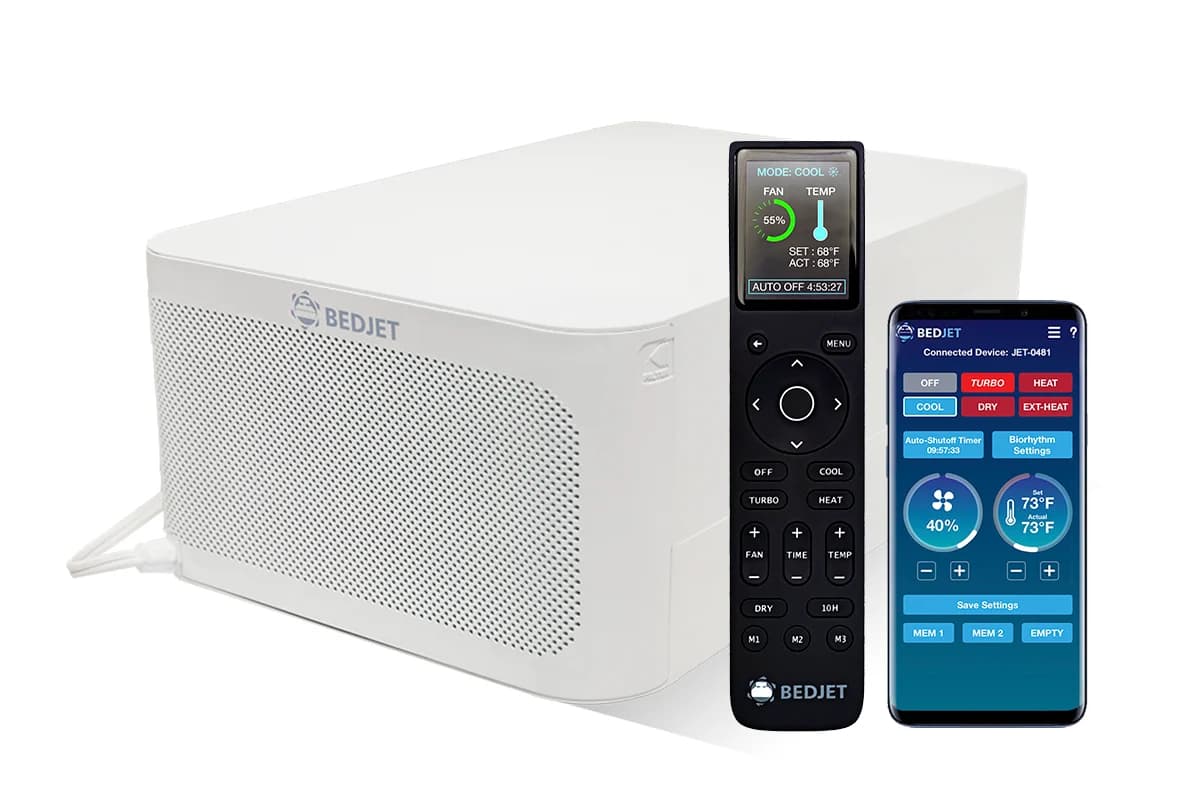


Best cooling mattress pads for hot sleepers — active systems and passive pads compared
If you sleep hot, heat can pool between your body and the mattress, while the layers above you can also trap warmth. Active systems move water or air; passive pads, blankets and comforters use breathable or heat-managing materials without power.
Updated 2026-10-16 · Edited by Dr. Logan Foley, CSSC
Sleep masks6 picks


Best sleep masks for side sleepers — thin and contoured picks the pillow won't shove into your face
If you sleep on your side, the mask that works flat on your back becomes a problem: the pillow drives it into your cheekbone and eye socket, so a thick padded band or a raised seam ends up pressing on your face all night. What side sleepers actually need is a low profile at the temples — either a mask thin enough that there's nothing to press, or contoured eye cups that hold the fabric off your eyes while a flat strap sits quietly against the pillow.
Updated 2026-10-16 · Edited by Dr. Logan Foley, CSSC
Sleep sacks6 picks


Best sleep sacks for winter — ranked by TOG rating and real cold-room warmth
When the nursery drops into the low 60s Fahrenheit, a thin cotton sack that was perfect in summer leaves a baby cold by 3am — and reaching for a loose blanket to fix it isn't a safe option for an infant. The number that solves this is TOG: a measure of how much warmth a sack traps, where roughly 0.5 is summer-weight, 1.0 is year-round, and 2.5 or higher is built for genuinely cold rooms.
Updated 2026-10-16 · Edited by Dr. Logan Foley, CSSC
Wedge pillows3 picks
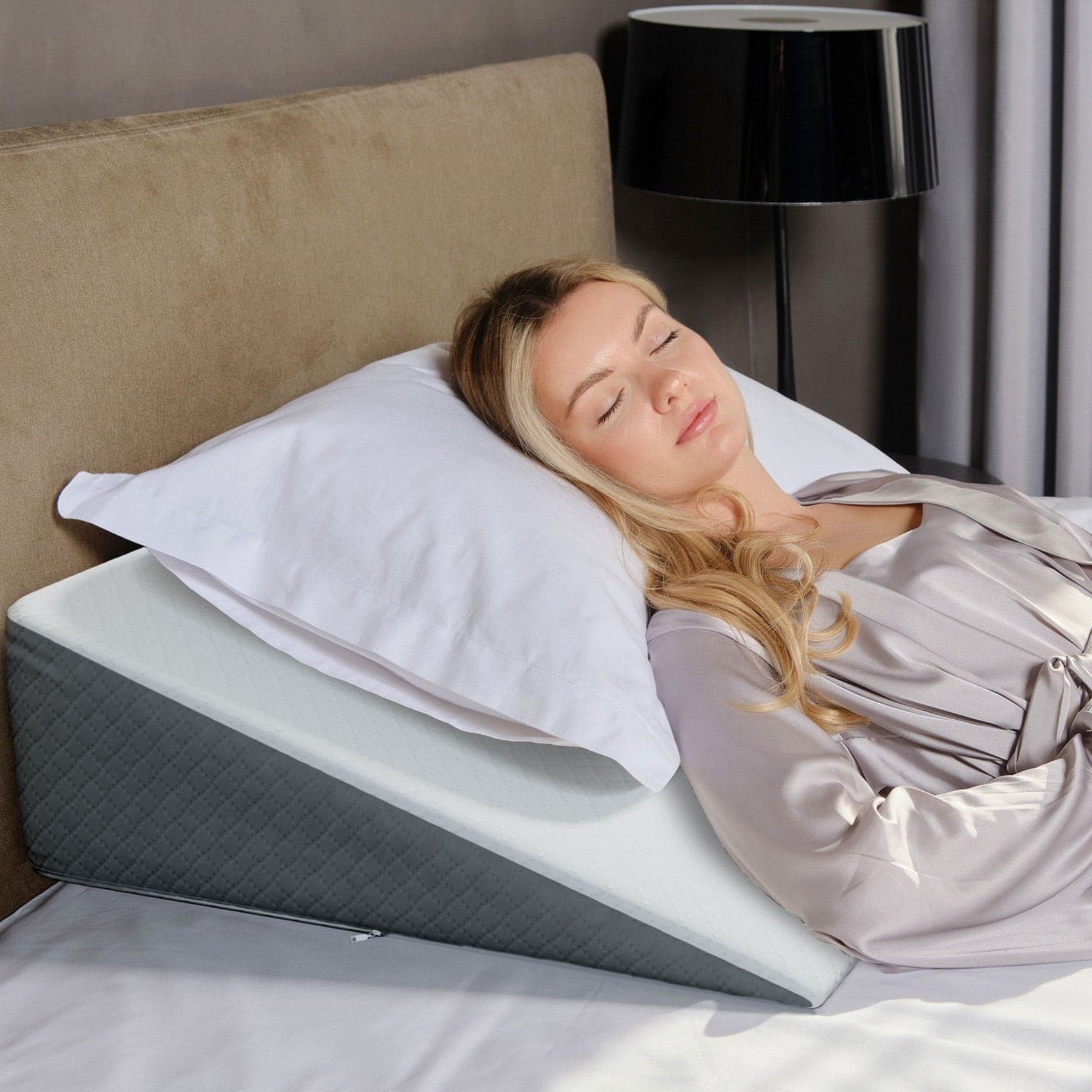
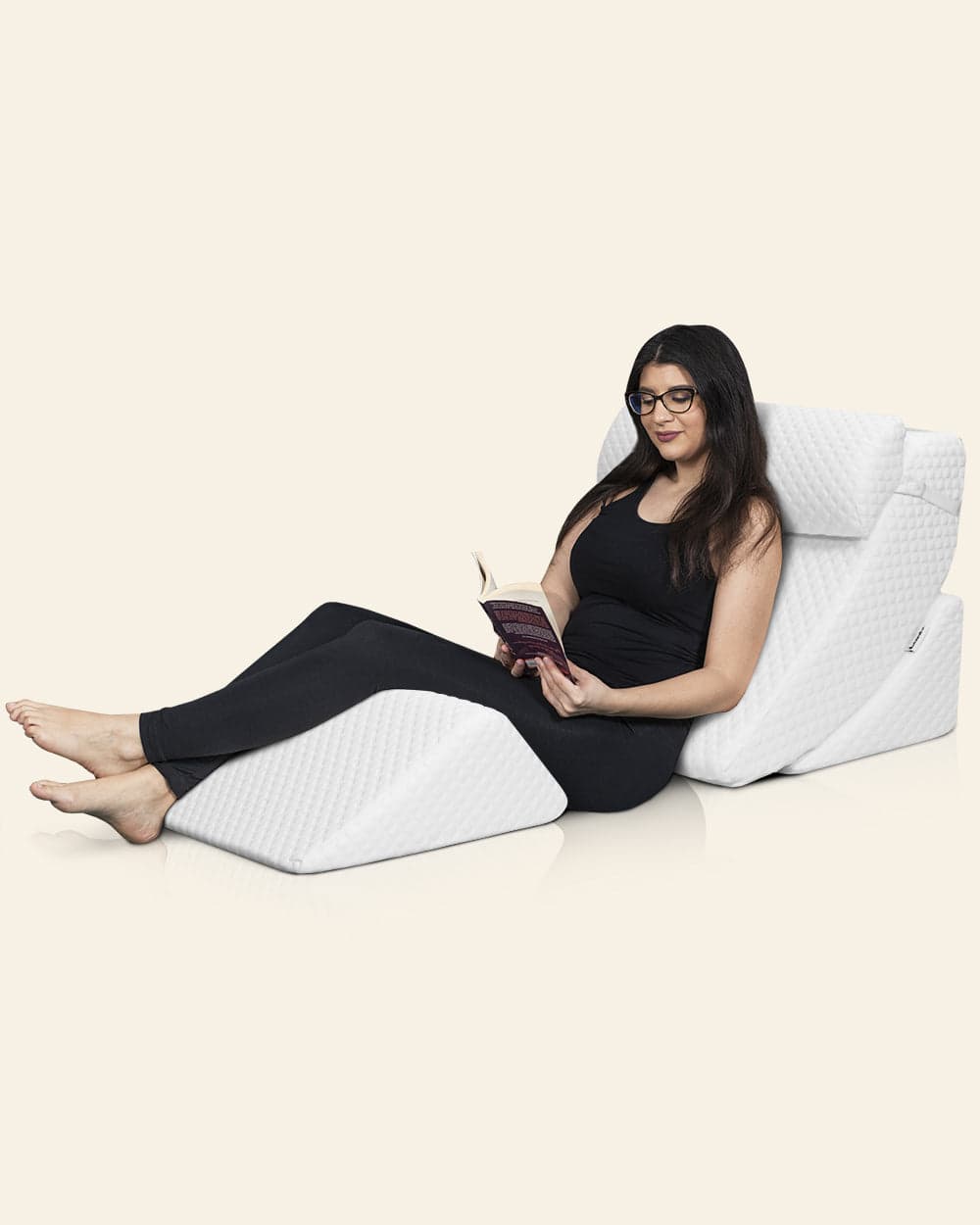
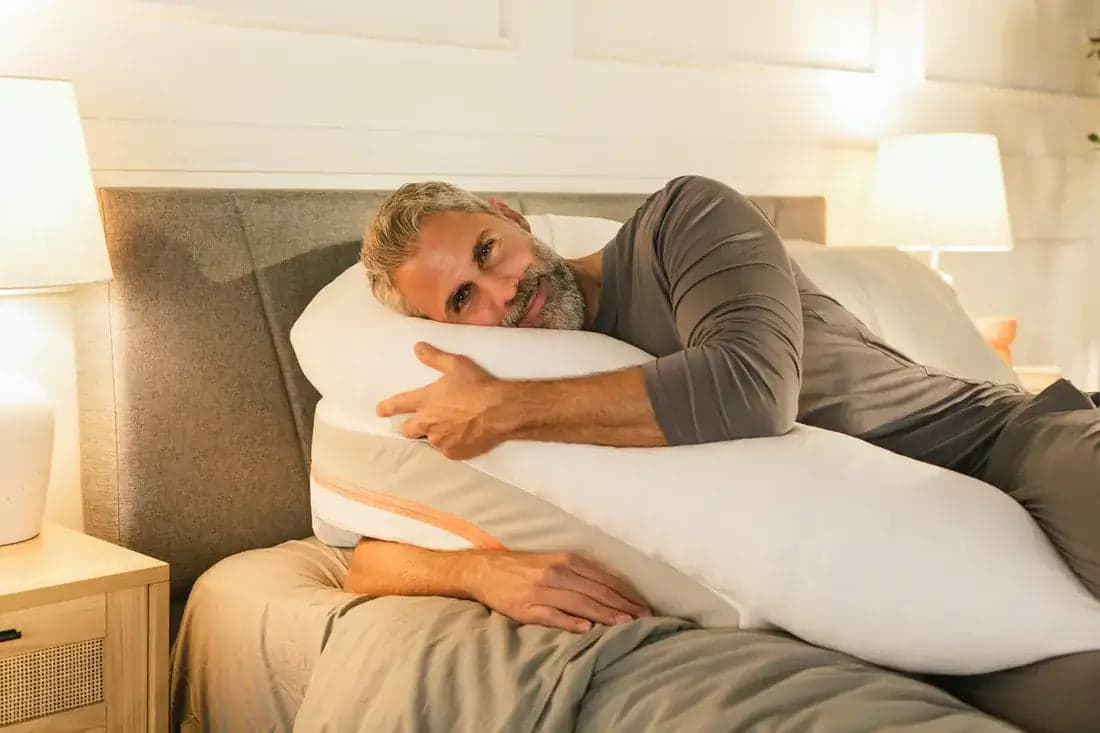
Best wedge pillows for snoring (and the reflux that often comes with it)
Snoring gets worse flat on your back because gravity pulls the tongue and soft palate into the airway. A wedge changes the angle of the whole upper body, which is why it is studied for sleep apnea and for night-time reflux rather than sold as a comfort item.
Updated 2026-10-16 · Edited by Dr. Logan Foley, CSSC
Sleep earplugs4 picks


Best reusable earplugs for sleeping: washable, low-profile, and honest about what they block
Earplugs are one of the few sleep aids with trial evidence behind them: in a randomised study of critically ill patients, earplugs and an eye mask reduced long awakenings and increased deep sleep when they were tolerated. That last clause is the whole problem.
Updated 2026-10-16 · Edited by Dr. Logan Foley, CSSC
Bedroom fans3 picks


Best quiet fans for sleeping: bedroom fans that cool on high and disappear on low
A fan for sleeping is judged at two speeds. On high it has to cool the room before bed; on low, the speed it runs at all night, it has to be quieter than the room itself.
Updated 2026-10-16 · Edited by Dr. Logan Foley, CSSC
Sleep trackers6 picks


Best sleep trackers without a subscription — full data, no monthly fee
The dirty secret of the sleep-tracking boom is the monthly bill. Oura locks your detailed sleep scores behind a $6/month membership; Whoop has no upfront price at all because the whole product IS a $30/month subscription.
Updated 2026-10-14 · Edited by Dr. Logan Foley, CSSC
Sleep trackers4 picks


Best smart rings without a subscription — full data, no monthly fee
A no-subscription smart ring should keep its useful data available after purchase, not turn into a limited shell when payments stop. Oura's support site says that without membership an Oura Ring has only limited functionality, and the newer Ring 5 uses the same membership.
Updated 2026-10-14 · Edited by Dr. Logan Foley, CSSC
Sound machines6 picks


Best white noise machines for babies — continuous sound you can keep at a safe nursery volume
A baby's sound machine has one job the adult versions don't: it has to run all night without a single seam or click that pulls a light-sleeping infant back to the surface. That means continuous, non-looping sound — either a real fan or dynamically generated noise, not a short clip on repeat — at a volume you can set low and trust to stay there.
Updated 2026-10-13 · Edited by Dr. Logan Foley, CSSC
Cervical pillows5 picks


Best cervical pillow for side sleepers — 5 compared by shoulder-gap fit
A side sleeper needs a cervical pillow whose height and shape fit the gap between the shoulder and neck. These five use dual-height contours, arm cut-outs, high and low sides, or profile sizes, but their firmness and intended fit differ.
Updated 2026-10-08 · Edited by Dr. Logan Foley, CSSC
Sleep headphones6 picks

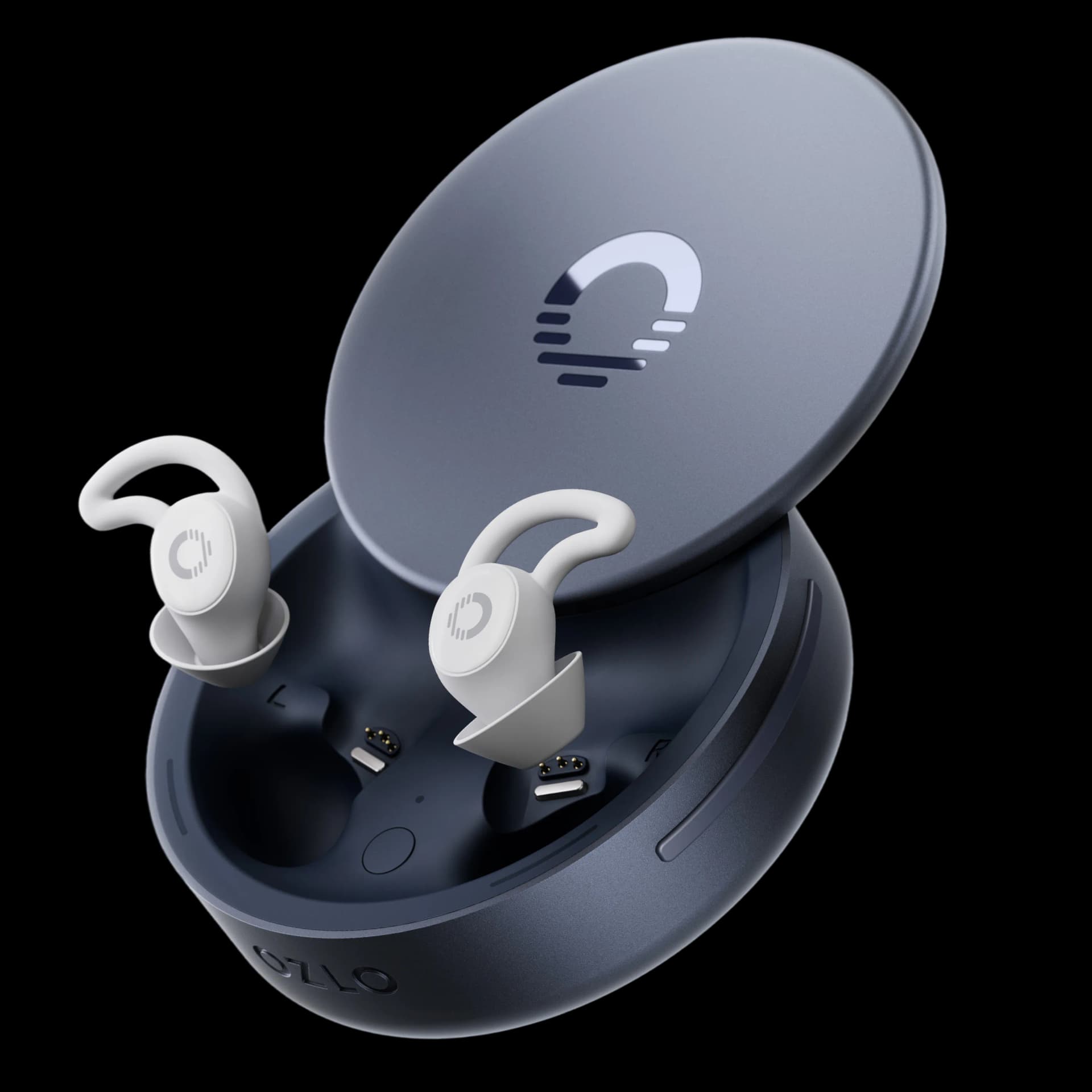

Best sleep headphones for side sleepers — the flattest, no-pressure picks
For side sleepers, sleep headphones live or die on one thing: profile. When you turn onto your side, the pillow presses whatever is in or on your ear straight into the side of your head — so standard earbuds jab your ear canal, and over-ear headphones are a non-starter.
Updated 2026-09-19 · Edited by Dr. Logan Foley, CSSC
Mattresses4 picks
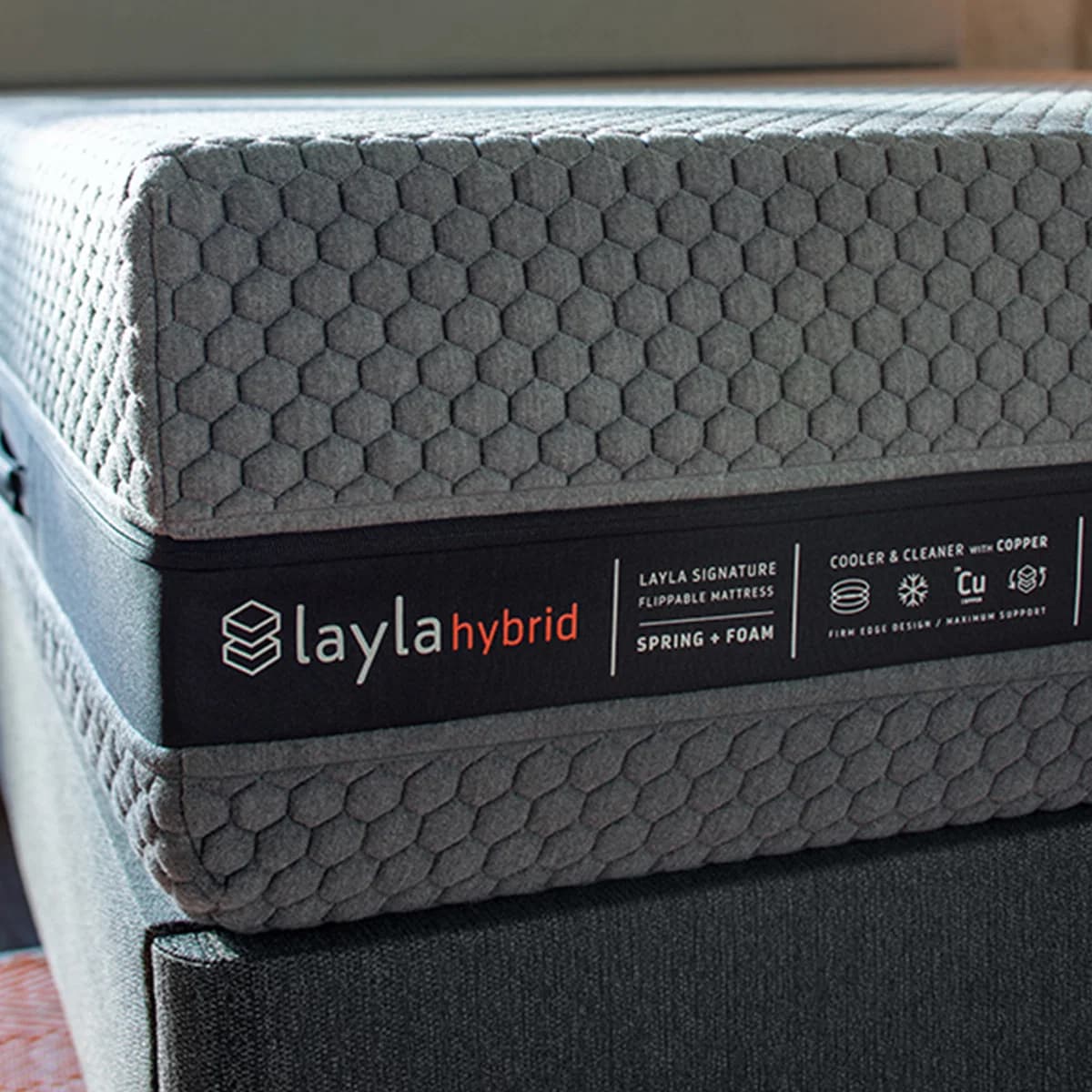
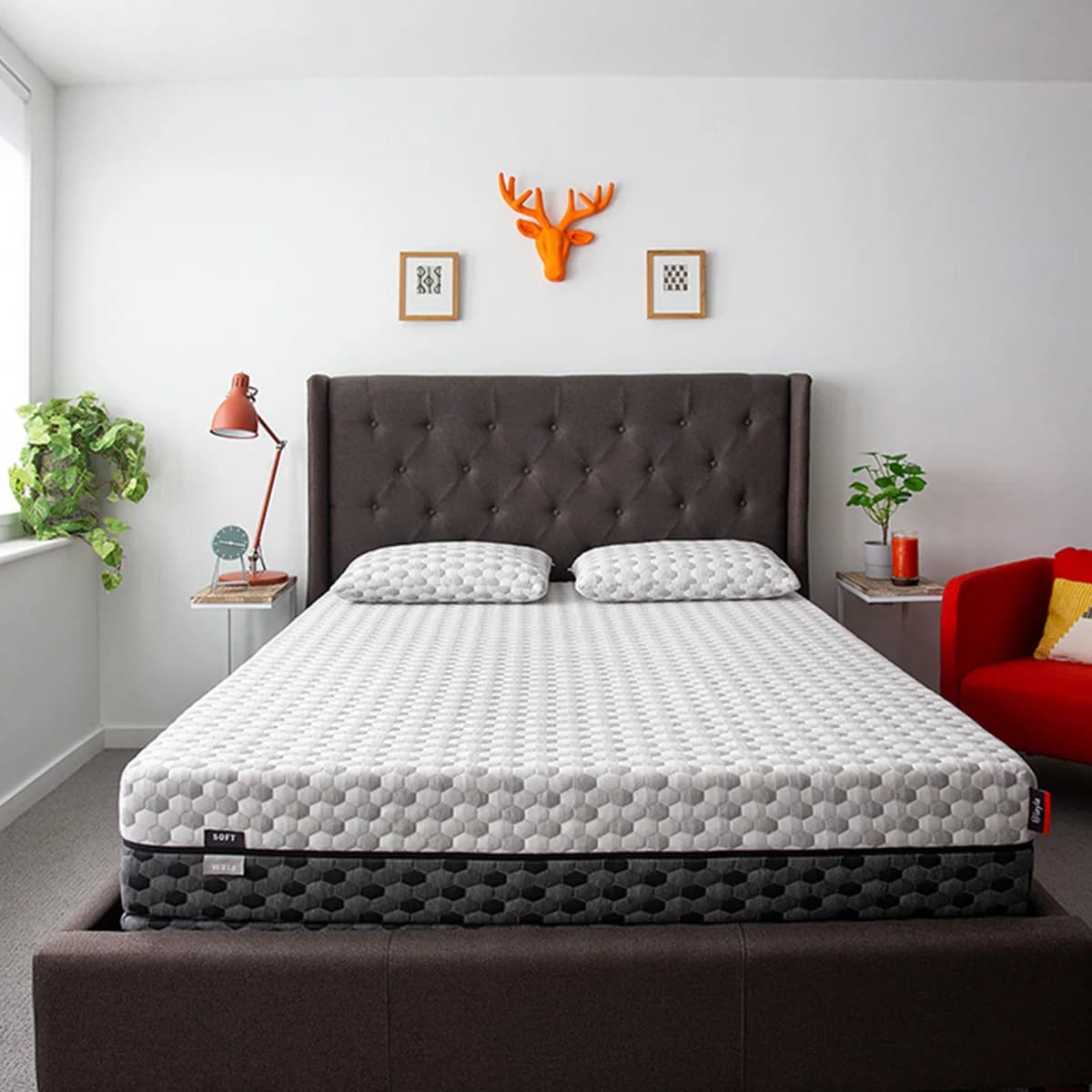

Best flippable mattress — the two-sided beds worth buying, and the one-sided alternatives if you only need one firmness
A flippable mattress has a sleeping surface on both faces. That used to be normal — the old two-sided innerspring was flipped every season to even out the wear — but most mattresses sold today are one-sided: a comfort layer on top, support foam or coils underneath, and nothing to sleep on if you turn it over.
Updated 2026-09-18 · Edited by Dr. Logan Foley, CSSC
Mattresses7 picks


Best mattress for hot sleepers — cooling beds compared by sleep editors
Most mattresses labeled 'cooling' just have a cooling-tinted cover over heat-trapping foam. Real cooling comes from one of three things: an innerspring that breathes, a grid or latex layer that vents, or active climate control.
Updated 2026-09-17 · Edited by Dr. Logan Foley, CSSC
Silk pillowcases7 picks


Best silk pillowcases for hair and skin — real mulberry, ranked by momme weight
A silk pillowcase earns its place through one honest, mechanical fact: its smooth surface creates less friction than cotton, so it tugs less on hair and lashes, leaves fewer overnight creases, and absorbs less of the moisturizer you put on before bed. It is not skincare — it won't treat acne or wrinkles — but for reducing friction and moisture loss it genuinely works, and the spec that decides how well is momme weight, the density measure that separates real mulberry silk from the thin polyester 'satin' sold on the same shelf.
Updated 2026-09-17 · Edited by Dr. Logan Foley, CSSC
Pillows6 picks


Best cooling pillows — ranked by construction, not by the word on the box
Your face is bare skin pressed against the pillow all night, and a pillow that holds heat against it is why you flip to the cool side at 3 a.m. Almost every pillow sold today claims to be cooling.
Updated 2026-09-15 · Edited by Dr. Logan Foley, CSSC
CPAP comfort4 picks


Best CPAP pillows for side sleepers — ranked by how well the cutouts actually clear your mask
Side sleeping is the most common sleep position — and for CPAP users it's also the position most likely to start a fight between your mask and your pillow. Roll onto your side on a standard pillow and the foam presses into the mask frame, breaking the cushion's seal: air hisses across your cheek, the machine compensates, and you wake with red strap marks and a leak alert.
Updated 2026-09-06 · Edited by Dr. Logan Foley, CSSC
Blue light glasses6 picks


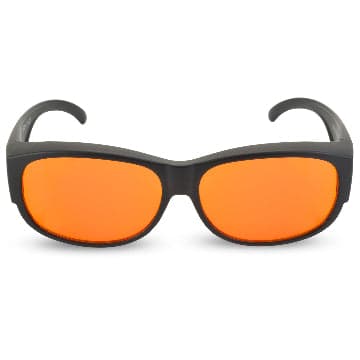
Best blue light glasses for sleep — ranked by what the lens actually blocks
Almost every pair in this category makes the same claim — "blocks 99% of blue light" — and almost none of them tell you across which wavelengths. That gap matters more than price, because the light that shifts your body clock isn't only blue.
Updated 2026-08-04 · Edited by Dr. Logan Foley, CSSC
Mattresses7 picks


Best mattress for side sleepers — 2026 picks compared by sleep editors
Side sleeping is the most common adult sleep position, yet most mattress reviews are written from a back sleeper's point of view. The wrong mattress for a side sleeper causes shoulder pain, hip pinch, and micro-wake-ups that show up as brain fog the next day.
Updated 2026-07-27 · Edited by Dr. Logan Foley, CSSC
CPAP comfort7 picks


Best CPAP comfort accessories — 7 cheap fixes matched to the 5 complaints CPAP users actually have
Almost nobody abandons CPAP because the machine failed. People quit over the small stuff: a cushion that leaves red grooves across the cheek, waking at 3am with a desert-dry mouth, cold water gurgling in the hose, a tube that wraps around an arm with every roll-over, gear that feels grimy by Thursday, and the logistics of dragging it all through an airport.
Updated 2026-07-27 · Edited by Dr. Logan Foley, CSSC
Pillows6 picks

Best pillow for side sleepers — compared on loft, support, and neck alignment
Side sleeping puts a bigger gap between your head and the mattress than any other position — the distance from your ear to the outside of your shoulder. Fill that gap with too little pillow and your head drops, kinking your neck down; too much and it cranks your neck up.
Updated 2026-07-17 · Edited by Dr. Logan Foley, CSSC
Sheets6 picks


Best cooling sheets — compared on breathability and moisture-wicking
Sheets are the layer touching your skin all night, so the wrong ones undo even the coolest mattress. Two things make a sheet sleep cool: the fiber (eucalyptus and long-staple cotton breathe; microfiber traps heat) and the weave (percale is crisp and airy; sateen is silky but warmer).
Updated 2026-07-17 · Edited by Dr. Logan Foley, CSSC
Sleep earplugs6 picks


Best earplugs for light sleepers — ranked by how much noise they actually block
Light sleepers wake at sounds heavy sleepers never register — a partner rolling over, a car door, a creak down the hall — so for you an earplug isn't a nice-to-have, it's the difference between a full night and a fractured one. The number that matters most is how many decibels the plug blocks: foam plugs block the most (around 30–33 dB NRR), reusable silicone less (Loop rates the Quiet 2 at 24 dB SNR, 14 dB NRR), and 'stay-aware' filtered plugs deliberately block the least.
Updated 2026-07-17 · Edited by Dr. Logan Foley, CSSC
Weighted blankets6 picks



Best cooling weighted blankets for hot sleepers — ranked by how well they shed heat
A weighted blanket is supposed to feel like a grounding hug, but for hot sleepers the traditional design backfires: layers of fabric sealing in bulky fill act like insulation, and you wake up sweating your way out from under it. The fix isn't giving up the weight — it's choosing the parts that shed heat instead of trapping it.
Updated 2026-07-17 · Edited by Dr. Logan Foley, CSSC
Blackout curtains5 picks


Best blackout curtains for day sleepers and shift workers — ranked by true light blocking
If you sleep while the sun is up, the difference between 'room darkening' and true 100% blackout isn't marketing — it's whether you sleep at all. A panel that blocks 99% sounds complete, but at noon 1% of full daylight is still a lit room, and your circadian system reads that glow as a signal to wake.
Updated 2026-07-17 · Edited by Dr. Logan Foley, CSSC
Sunrise alarms6 picks


Best sunrise alarm clocks for heavy sleepers — ranked by brightness, ramp, and backup alarm
If you're a genuinely heavy sleeper, the polite little glow that wakes a light sleeper does nothing for you — you need the brightest dawn you can buy, a ramp long enough to lift you out of deep sleep, and a backup that's impossible to ignore when the light alone isn't enough. That last part is the honest truth most sunrise-alarm roundups skip: for a truly deep sleeper, light by itself often fails, so the sound — or vibration — behind it matters just as much as the lux.
Updated 2026-07-17 · Edited by Dr. Logan Foley, CSSC
Mattress toppers6 picks


Best mattress toppers for side sleepers — ranked by shoulder-and-hip pressure relief
If you sleep on your side and wake with a sore shoulder or an aching hip, the problem usually isn't your body — it's a mattress that's too firm for the way your weight lands on two narrow contact points. A side sleeper's shoulder and hip need somewhere to sink, and a slab that suits a back sleeper leaves them propped up and pressurized all night.
Updated 2026-07-17 · Edited by Dr. Logan Foley, CSSC
Knee pillows6 picks


Best knee pillows for side sleepers — ranked for keeping your hips stacked
On your side, gravity pulls your top leg down and forward, and it drags your pelvis and lower spine along with it — so your hips spend the whole night slightly twisted out of line. A knee pillow fills the gap between your knees so the top leg stays supported at hip height, keeping hips, pelvis and spine stacked instead of collapsing inward, which is why side sleepers with hip or lower-back discomfort reach for one.
Updated 2026-07-17 · Edited by Dr. Logan Foley, CSSC