10 PRODUCTS · UPDATED 2026-10-12
Sleep trackers — compare 10 models across 5 retailers
Prices from Amazon, manufacturer stores, Best Buy, Walmart, and Target. Editor scores from spec-based evaluation. Free decision matrix.
Not sure which one?
Buying guides for this category
How to choose
Three steps to the right pick
1
Match it to how you sleep
Your position, budget and the problem you're fixing narrow the field fast.
Take the 60-sec quiz →2
Compare the shortlist
Weigh the picks head-to-head on the specs that matter — filter and sort the table.
Jump to comparison ↓3
Check the price, then buy
Prices move — we show the last-checked figure and send you to the retailer's live price.
See best prices →Price comparison
10 of 10 shown. Click any product for the full review + all retailer prices.
BrandProductScoreSubscriptionBest price

Oura
Oura Ring 4
Editor's ChoiceBattery 7 days
The most comfortable passive sleep tracker on the market — if you can stomach the $5.99/mo subscription.
8.4/10
$5.99/mo required for full features
$349.00 (Amazon price as of – Details)
Compare prices →

RingConn
RingConn Gen 2 Smart Ring
Titanium smart ring
The no-subscription Oura rival — sleep-apnea alerts, 12-day battery and a charging case, with zero monthly fee.
8.4/10
None — ever
$283.28 (Amazon price as of – Details)
Compare prices →

Withings
Withings Sleep Analyzer (Under-Mattress Pad)
Under-mattress pad
The wear-nothing tracker — a pad under your mattress that tracks sleep stages, snoring and apnea signs with medical-grade heritage.
8.3/10
None
$199.95 (Amazon price as of – Details)
Compare prices →

Fitbit
Fitbit Charge 6
Battery 7 days
The best no-subscription sleep tracker under $200 — 7-day battery, ECG, and Google's ecosystem behind it.
8.1/10
None required
$132.50 (Amazon price as of – Details)
Compare prices →

Whoop
Whoop 5.0
Battery 14 days
The recovery-focused tracker for serious athletes — no screen, and sold only as an annual membership with the band included, but the recovery data is unmatched.
8.1/10
Annual membership — device included
$239.00 (Amazon price as of – Details)
Compare prices →

Garmin
Garmin Venu 3
The best cross-platform sleep tracker (Android + iOS) with 14-day battery and no subscription — Garmin's overlooked sleep tool.
8/10
None required
Check price
Compare prices →
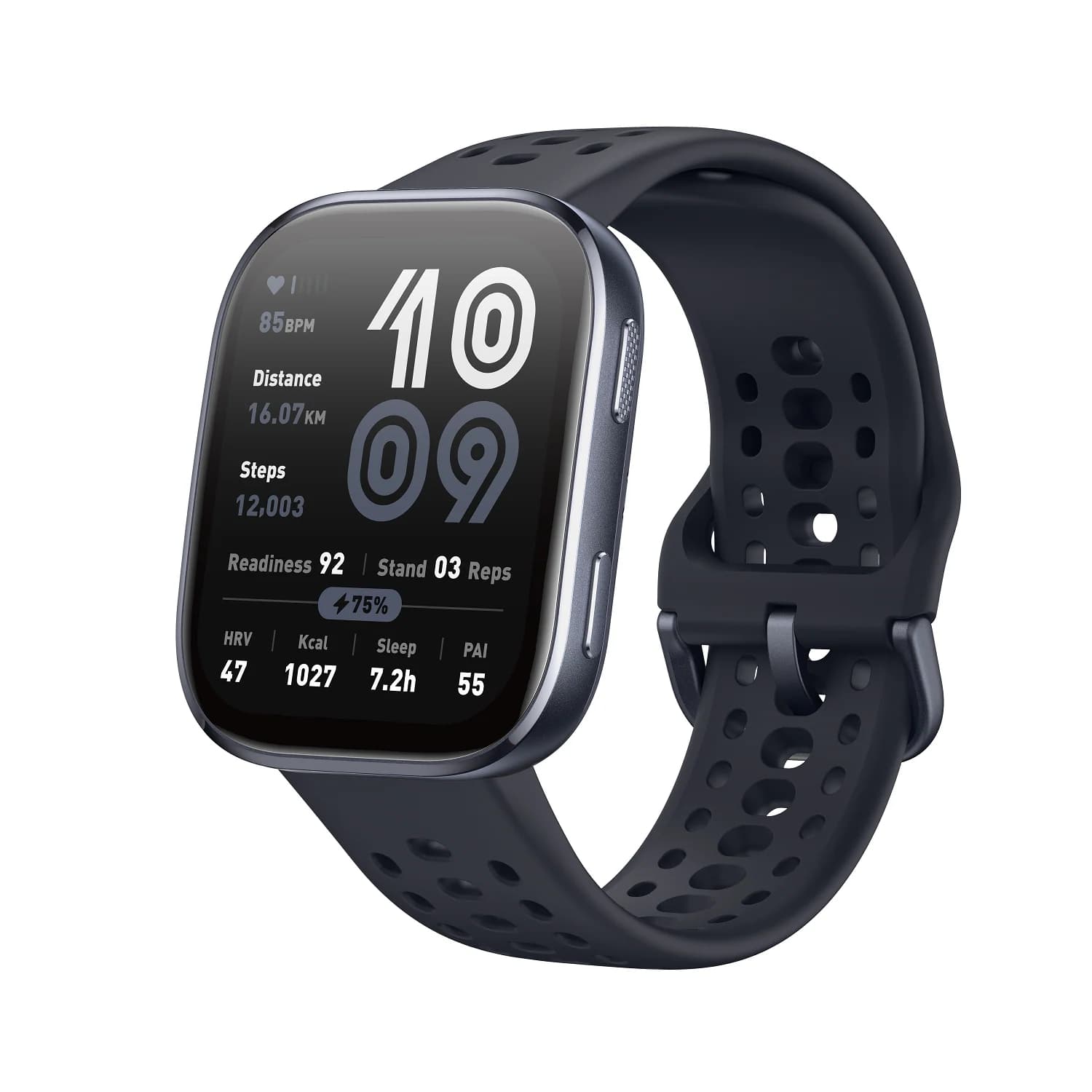
Amazfit
Amazfit Bip 6 Smart Watch
Top ratedBest value
The budget sleep tracker that still charges nothing monthly — sleep stages, HRV, breathing quality and naps in the free Zepp app, on a two-week battery.
7.9/10
None for sleep data (free Zepp app)
$69.99 (Amazon price as of – Details)
-13% off · at amazon
Compare prices →

Apple
Apple Watch Series 10
Top rated
Discontinued — superseded by Series 11. Still the strongest sleep-tracking smartwatch for iPhone users if you find remaining stock, but buy the Series 11 instead unless the discount is steep.
7.8/10
None required
Check price
Compare prices →

Amazfit
Amazfit Band 7 Fitness Tracker
Slim AMOLED band
The budget sleep tracker — 18-day battery, SpO2 and genuinely usable sleep staging at a price that makes trackers impulse-buyable.
7.6/10
Free (optional Zepp Aura)
Check price
Compare prices →
Suunto Run running watch, all black, front view
Suunto
Suunto Run (SS051109000)
Top rated
A superb 36-gram running watch whose sleep tracking is movement-only — Suunto says so itself.
7/10
—
$179.00 (Amazon price as of – Details)
-28% off · at amazon
Compare prices →
Best for...
4 category winners — different needs, different picks. All editorially scored against measured specs.
Best overall
Oura Ring 4
Passive trackers, women's health tracking, athletes wanting recovery data
From $349.00 (Amazon price as of – Details)
Best budget
Amazfit Bip 6 Smart Watch
Under $150 with no subscription
From $69.99 (Amazon price as of – Details)
Best for athletes
Whoop 5.0
Recovery Score + HRV-driven insights
From $239.00 (Amazon price as of – Details)
Best for Android
Garmin Venu 3
14-day battery + cross-platform support
Check price
Free, by email
Free · no cardHelp for nights your mind won't switch off.
Two free printables now, then four short emails: one change to try tonight, how to choose, and what we'd skip.
Free. Five short emails over two weeks, then about one a month. Unsubscribe any time.
🔥 Below list price
2 on saleBiggest savings vs list price
9 brands compared · updated weekly
Brands in this category
ŌURA
RingConn
Withings
fitbit
WHOOP
GARMIN
Amazfit
Watch
Suunto
Decision engine
Compare any 2 trackers side-by-side
Head-to-head verdicts across 10 dimensions — price, battery, subscription cost, sleep-tracking accuracy, best-for-your-goal.
Trending head-to-heads
The tracker comparisons buyers actually search for.
VS · HEAD-TO-HEAD
Oura Ring 4vsFitbit Charge 6
$349.00 (Amazon price as of – Details)·$132.50 (Amazon price as of – Details)
VS · HEAD-TO-HEAD
Oura Ring 4vsWhoop 5.0
$349.00 (Amazon price as of – Details)·$239.00 (Amazon price as of – Details)
VS · HEAD-TO-HEAD
Oura Ring 4vsApple Watch Series 10
$349.00 (Amazon price as of – Details)·Check price
VS · HEAD-TO-HEAD
Oura Ring 4vsGarmin Venu 3
$349.00 (Amazon price as of – Details)·Check price
VS · HEAD-TO-HEAD
RingConn Gen 2 Smart RingvsOura Ring 4
$283.28 (Amazon price as of – Details)·$349.00 (Amazon price as of – Details)
VS · HEAD-TO-HEAD
RingConn Gen 2 Smart RingvsAmazfit Band 7 Fitness Tracker
$283.28 (Amazon price as of – Details)·Check price
How to pick a sleep tracker in 2026
Five decisions collapse this whole category into a clear pick.
1. Subscription or no?
Oura and Whoop both require ongoing monthly payments. Fitbit, Apple Watch, and Garmin don't. If a $30/month Whoop subscription bothers you, it will keep bothering you every month for the life of the device.
2. Ring, watch, or strap?
Rings (Oura) are most comfortable and best for pure passive tracking. Watches (Apple, Garmin, Fitbit) do double duty as notification hubs. Straps (Whoop) are for athletes who want zero screen distraction.
3. iOS or Android?
Apple Watch is iOS-only. Fitbit and Oura work on both. Garmin Venu 3 is the strongest cross-platform pick. Whoop works on both but the app experience is stronger on iOS.
4. Battery — nightly charge or weekly?
Apple Watch = charge nightly. Fitbit, Oura = 7 days. Whoop, Garmin = 14 days. If you frequently forget to charge, avoid Apple Watch as a sleep tracker.
5. What are you optimising for?
Recovery + strain science → Whoop. Passive daily comfort → Oura. iOS everything → Apple. Budget + no-sub → Fitbit. Cross-platform + long battery → Garmin.
Still stuck? Take our 60-second tracker matrix quiz. It asks 8 questions and recommends the right tracker for your goals. Free, no signup.
Browse every comparison category
Open the compare hub →MattressesMattress toppersSleep trackersCooling techBaby monitorsPillowsSheetsSleep headphonesSound machinesBedroom fansSleep masksWeighted blanketsSupplementsSleep teasAromatherapy diffusersHumidifiersCPAP comfortAnti-snoringWedge pillowsBody pillowsMattress protectorsSilk pillowcasesBlue light glassesSleep earplugsKnee pillowsCervical pillowsSunrise alarmsBlackout curtainsSleep sacksTravel sleep