9 ANTI-SNORING AIDS · UPDATED 2026-10-18
Anti-snoring aids — 9 picks matched to your snore type
Most anti-snoring purchases fail for one reason: the product targets the wrong kind of snoring. Nasal strips do nothing for a tongue-based snorer; a mouthpiece is overkill for someone whose problem is a blocked nose. Every product here is grouped by mechanism — nose, mouth, or sleeping position — so you can match the fix to your snore first. One boundary we hold throughout: snoring with gasping, choking, or witnessed pauses in breathing can be sleep apnea, and that is a conversation for a doctor, not a product page.
How to choose
Three steps to the right pick
1
Match it to how you sleep
Your position, budget and the problem you're fixing narrow the field fast.
Take the 60-sec quiz →2
Compare the shortlist
Weigh the picks head-to-head on the specs that matter — filter and sort the table.
Jump to comparison ↓3
Check the price, then buy
Prices move — we show the last-checked figure and send you to the retailer's live price.
See best prices →Price comparison
9 of 9 shown. Click any product for the full review + all retailer prices.
BrandProductScoreBest forBest price
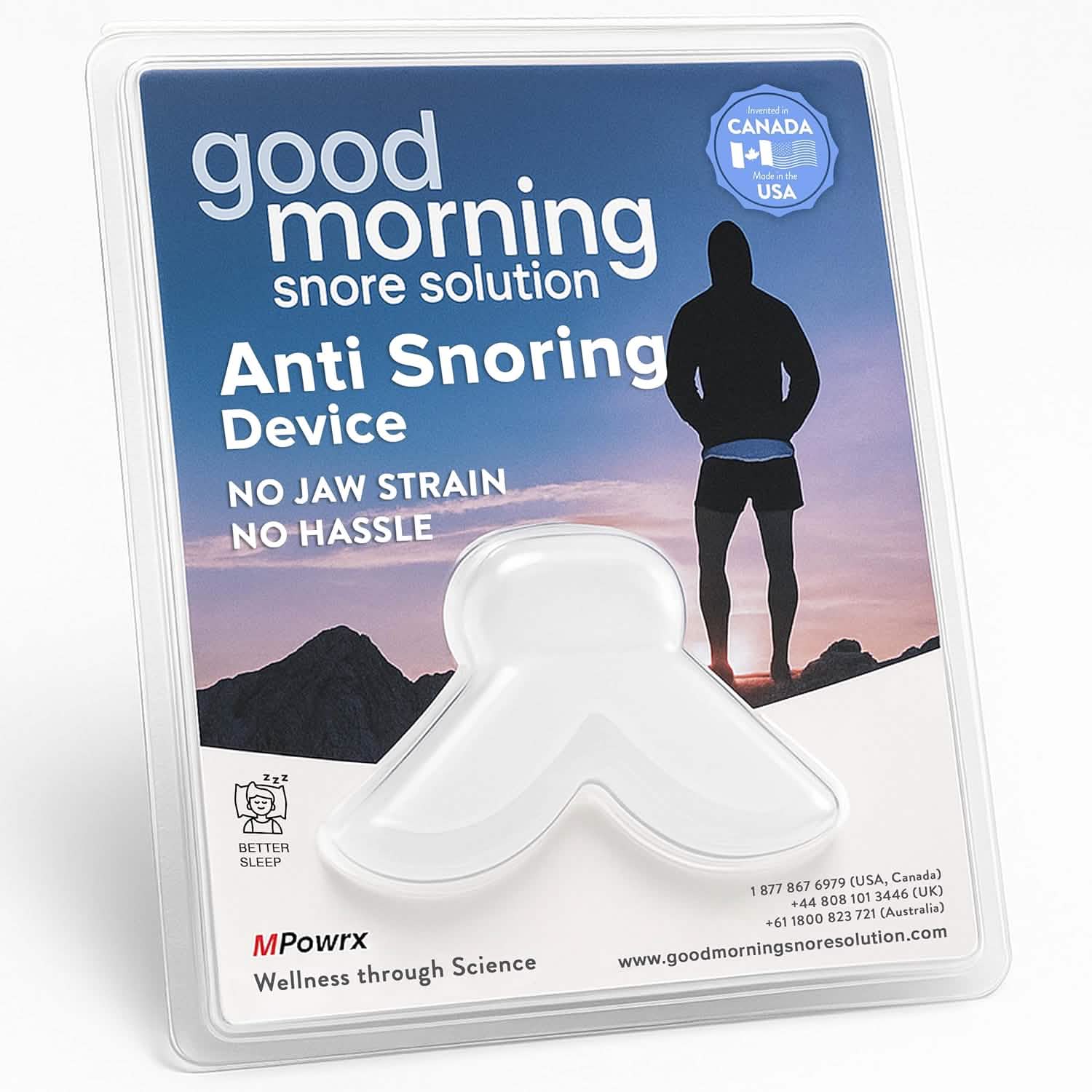
Good Morning Snore Solution
Good Morning Snore Solution Mouthpiece, Adult Regular
Editor's Choice
The tongue-suction alternative for people MADs exclude — zero jaw pressure, FDA-cleared — if you can breathe through your nose and survive a drooly first month.
8.4/10
—
$84.94 (Amazon price as of – Details)
Compare prices →
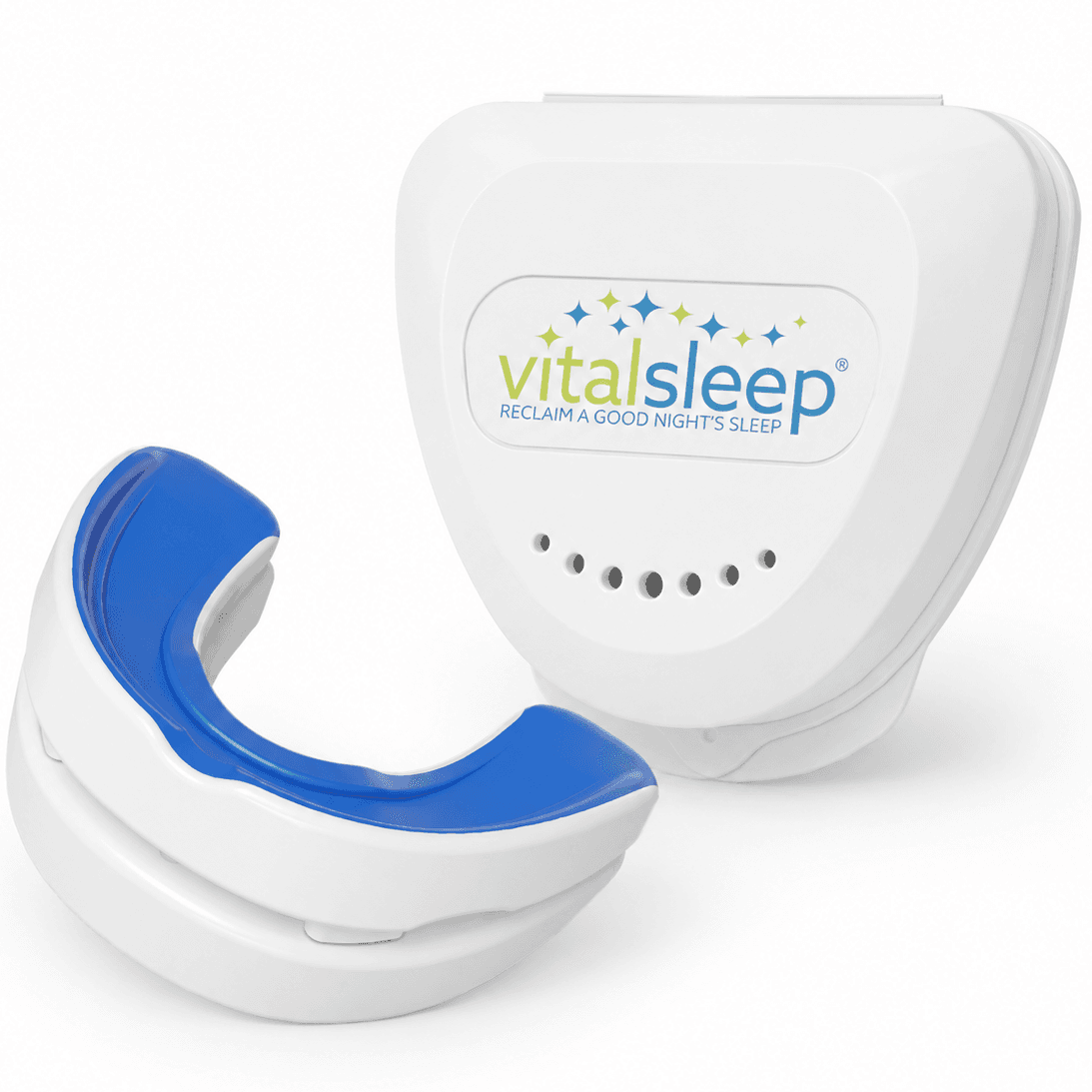
VitalSleep
VitalSleep Anti-Snoring Mouthpiece
Boil-and-bite MAD
The tinkerer's boil-and-bite MAD — 1mm screw adjustments, two sizes, and a 1-year warranty with free replacements — at $199.95, a price the guarantee has to justify.
8.3/10
—
$199.95
Compare prices →
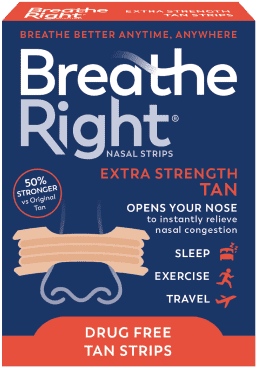
Breathe Right
Breathe Right Extra Strength Tan, 44 Count
External nasal stripBest value
The category's track-record product — a stronger spring-band strip at roughly $0.38 a night — brilliant for nasal-origin snoring and completely useless for throat snorers.
8.2/10
—
$16.97 (Amazon price as of – Details)
Compare prices →

ZQuiet
ZQuiet 2-Size Starter Pack
Ready-to-use MAD
The no-fitting MAD — two ready-to-use mouthpieces at fixed +2mm and +6mm advancements for $59.95 — great if one of those two settings happens to fit you.
8.1/10
—
$59.95 (Amazon price as of – Details)
Compare prices →
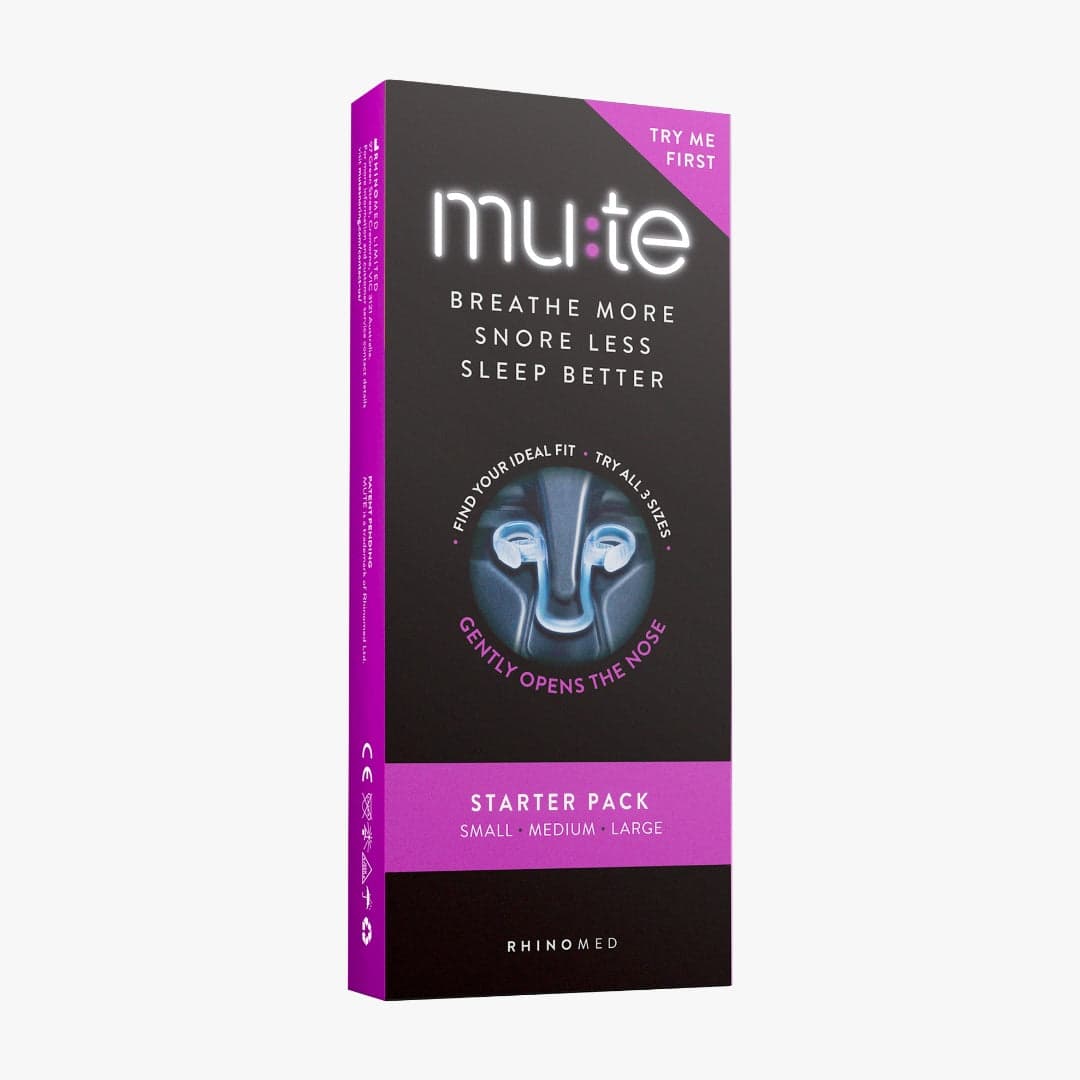
Mute
Mute Starter Pack (S + M + L)
Internal nasal dilator
An internal, per-nostril-adjustable dilator whose $17.99 starter pack exists because sizing is make-or-break — reusable, but a consumable at ~$0.60–1.80 a night, and FDA registered, not cleared.
8/10
—
$17.99 (Amazon price as of – Details)
Compare prices →
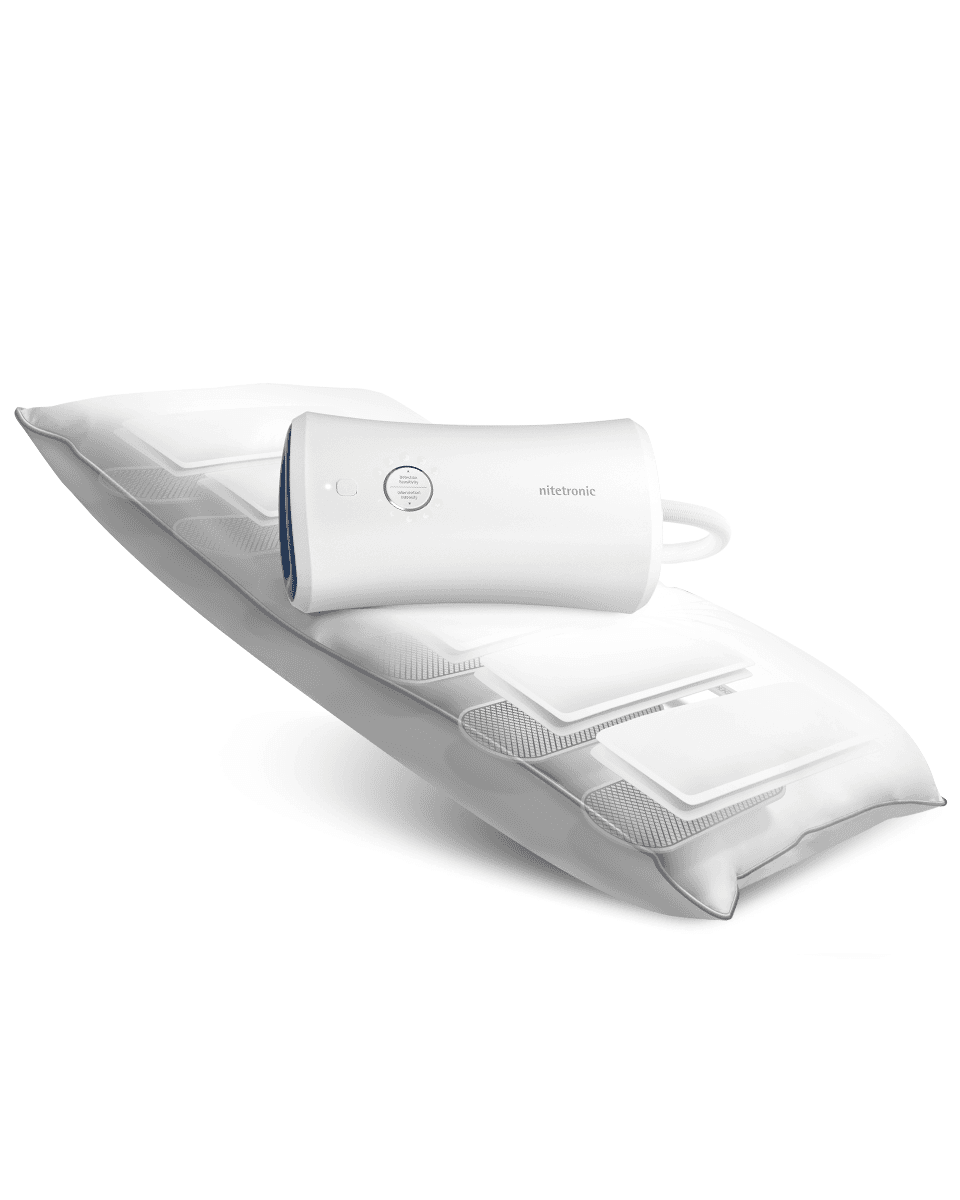
Nitetronic
Nitetronic Z6 Smart Anti-Snore Pillow
The nothing-on-your-face option: a flagship-priced smart pillow that hears you snore and gently turns your head sideways — genuinely effective for back-sleeping positional snorers, wasted on everyone else.
7.9/10
—
Check price
Compare prices →
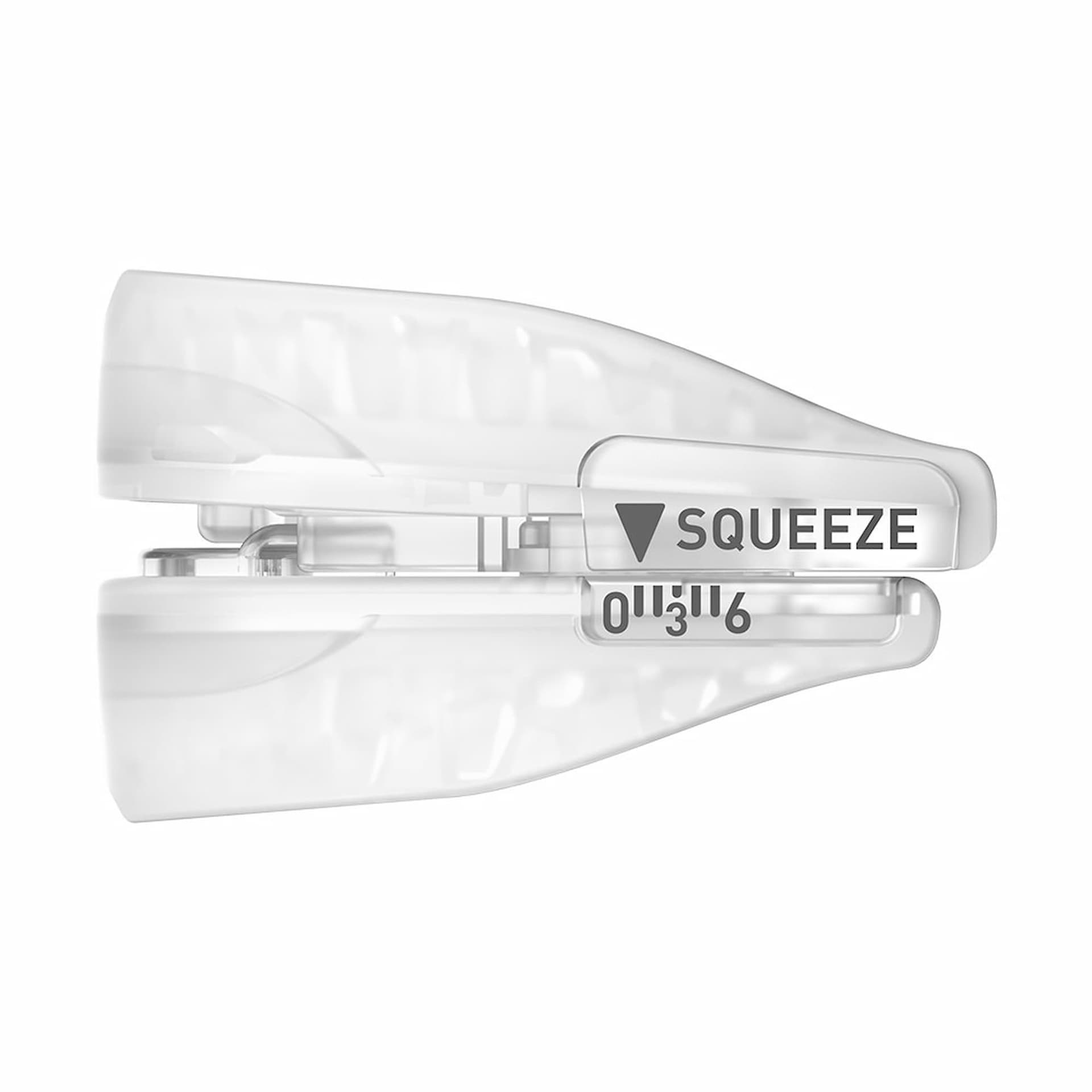
SnoreRx
SnoreRx Plus
Boil-and-bite MAD
A boil-and-bite MAD with 1mm micro-adjustment and vertical jaw movement for $99.99 — capable hardware undercut by a bulky fit and a short 30-night window.
7.8/10
—
$99.99
Compare prices →

Intake Breathing
Intake Starter Kit (4 Bands + 15 Tab Sets)
Magnetic nasal dilator
The strongest nasal hold money can buy — magnetic bands over adhesive tabs, $39.99 at the time of our check — with skin-damage reports serious enough to make patch-testing non-optional.
7.6/10
—
$39.99 (Amazon price as of – Details)
-18% off · at amazon
Compare prices →
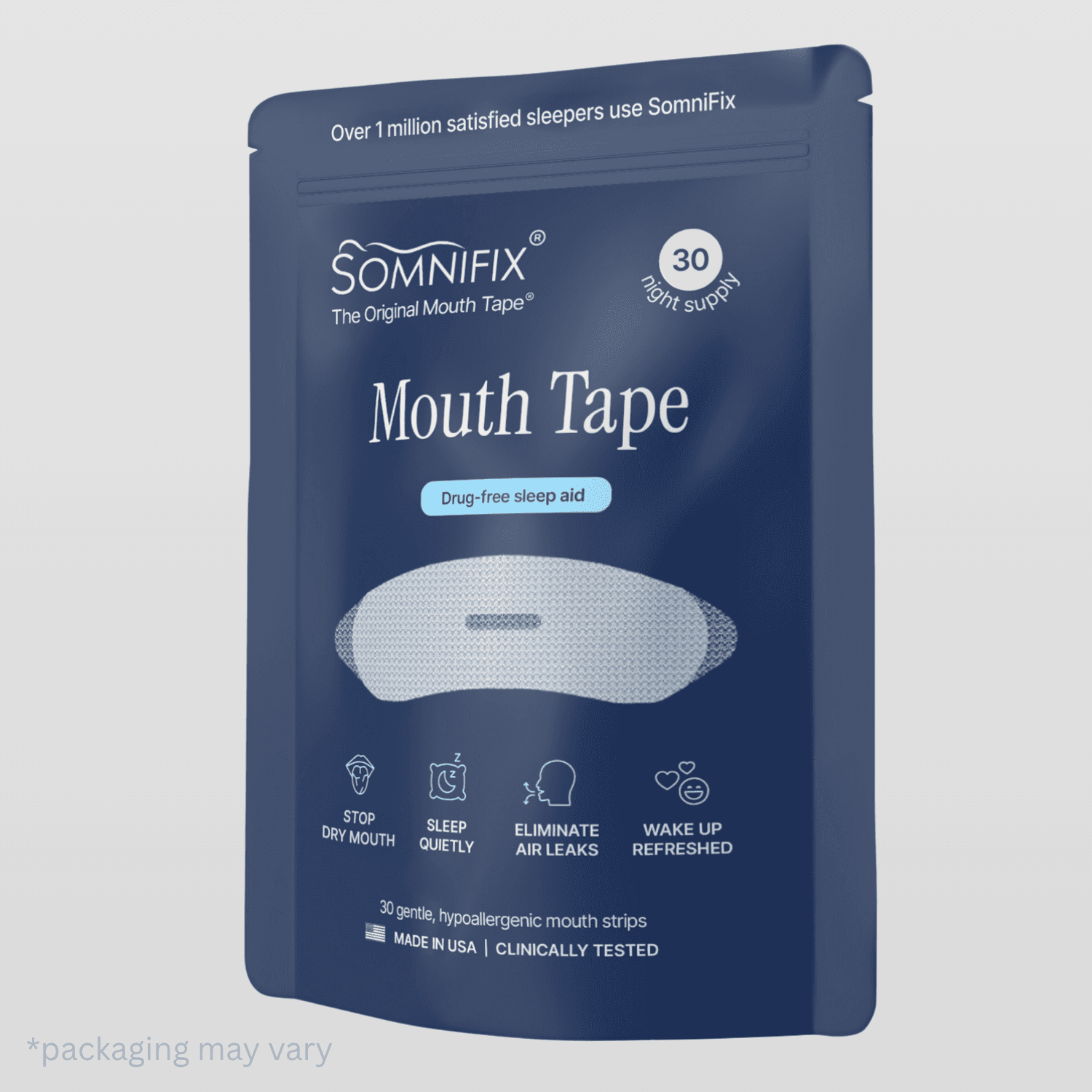
SomniFix
SomniFix Mouth Strips, 30-Pack
The most responsibly made product in a category the evidence hasn't caught up with — well-designed mouth tape sold as a monthly 30-pack, wrapped in an exclusion list you must actually read.
7.4/10
—
Check price
Compare prices →
Best for...
2 picks matched to the specific kind of snoring in your bedroom.
Best overall
Good Morning Snore Solution Mouthpiece, Adult Regular
TMJ and denture users who can't wear a MAD
From $84.94 (Amazon price as of – Details)
Best cheap first try
Breathe Right Extra Strength Tan, 44 Count
The lowest-risk way to find out if this mechanism is your fix
From $16.97 (Amazon price as of – Details)
Free, by email
Free · no cardGet your pillow and bed setup right.
One practical idea at a time for neck, back, heat and snoring, plus what we would skip and why.
Free. Five short emails over two weeks, then about one a month. Unsubscribe any time.
🔥 Below list price
1 below listBiggest savings vs list price
9 brands compared · updated weekly
Brands in this category
Good Morning Snore Solution
VitalSleep
Breathe Right
ZQuiet
Mute
Nitetronic
SnoreRx
Intake Breathing
SomniFix
Decision engine
Compare any 2 anti-snoring aids side-by-side
Head-to-head on the things that matter — mechanism, comfort, nightly effort, consumable cost and value.
Trending head-to-heads
The anti-snoring comparisons buyers actually search for.
VS · HEAD-TO-HEAD
Good Morning Snore Solution Mouthpiece, Adult RegularvsZQuiet 2-Size Starter Pack
$84.94 (Amazon price as of – Details)·$59.95 (Amazon price as of – Details)
VS · HEAD-TO-HEAD
Good Morning Snore Solution Mouthpiece, Adult RegularvsVitalSleep Anti-Snoring Mouthpiece
$84.94 (Amazon price as of – Details)·$199.95
VS · HEAD-TO-HEAD
Good Morning Snore Solution Mouthpiece, Adult RegularvsMute Starter Pack (S + M + L)
$84.94 (Amazon price as of – Details)·$17.99 (Amazon price as of – Details)
VS · HEAD-TO-HEAD
VitalSleep Anti-Snoring MouthpiecevsZQuiet 2-Size Starter Pack
$199.95·$59.95 (Amazon price as of – Details)
VS · HEAD-TO-HEAD
VitalSleep Anti-Snoring MouthpiecevsSnoreRx Plus
$199.95·$99.99
VS · HEAD-TO-HEAD
VitalSleep Anti-Snoring MouthpiecevsMute Starter Pack (S + M + L)
$199.95·$17.99 (Amazon price as of – Details)
How to pick an anti-snoring aid in 2026
Four decisions collapse this whole category into a clear pick.
1. Diagnose the snore before buying anything
There are three broad snore types and each has a different product answer. Nose snorers — congested, mouth closed, the sound is a nasal whistle or rumble — respond to strips and dilators that hold the nostrils open. Mouth snorers — jaw drops, sound comes from the throat — are the territory of mouthpieces, tongue devices, and mouth strips. Positional snorers — quiet on their side, loud on their back — need the position changed, not the airway gadgetized. A cheap one-night test: if pinching your nose open (or a trial strip) silences you, you're a nose snorer; if snoring stops on your side, you're positional.
2. Rule out sleep apnea first — seriously
Snoring with gasping, choking, witnessed pauses in breathing, morning headaches, or crushing daytime sleepiness is not a gadget problem — those are hallmark signs of obstructive sleep apnea, and masking the noise without treating the condition is the worst outcome this category can produce. Nothing on this page diagnoses or treats sleep apnea. If any of those signs sound familiar, a sleep study comes before a purchase.
3. Match commitment to the mechanism
These products sit on a commitment ladder. Strips and mouth tape are consumables — cheap per night, forever repurchasing. Dilators and tongue devices are reusable with a learning curve measured in nights. Mandibular advancement mouthpieces demand the most: boil-and-bite fitting, jaw-muscle adjustment over a week or two, and replacement every 6–24 months. Smart pillows and inserts cost the most up front but ask nothing of your face. Be honest about what you'll tolerate at 11pm every night — the best mechanism is the one you'll actually use.
4. Check the contraindications on oral devices
Mouthpieces that advance the jaw are not for everyone: TMJ disorders, loose teeth, dentures, braces, and recent dental work all argue against them, and manufacturers say so in their own fine print. Tongue-retaining devices sidestep the jaw but need clear nasal breathing to work. If you grind your teeth, tell your dentist before sleeping in any oral appliance. Reading the contraindication list before checkout is the difference between a fix and a jaw-ache.
One honest boundary: everything on this page targets simple snoring — the noise, not a medical condition. If your snoring comes with breathing pauses, gasping, or serious daytime exhaustion, talk to a doctor about a sleep study before spending anything here. For the full picture of snoring causes and fixes, read our snoring solutions guide.
Browse every comparison category
Open the compare hub →MattressesMattress toppersSleep trackersCooling techBaby monitorsPillowsSheetsSleep headphonesSound machinesBedroom fansSleep masksWeighted blanketsSupplementsSleep teasAromatherapy diffusersHumidifiersCPAP comfortAnti-snoringWedge pillowsBody pillowsMattress protectorsSilk pillowcasesBlue light glassesSleep earplugsKnee pillowsCervical pillowsSunrise alarmsBlackout curtainsSleep sacksTravel sleep