THE SNORING DECISION GUIDE · UPDATED 2026-07-28
Stop guessing at snoring fixes — match the product to your snore type
Snoring has three broad causes — a congested nose, an open mouth with a collapsing throat, or sleeping flat on your back — and each has a different product answer. Buy for the wrong cause and nothing changes. This guide walks the diagnosis first, then routes you to the right shelf. Everything here targets simple snoring; the red flags below are the exception that outranks every product.
Before anything else: rule out sleep apnea
Snoring with gasping or choking, witnessed pauses in breathing, morning headaches, or crushing daytime sleepiness can be obstructive sleep apnea. Nothing on this page diagnoses or treats it — and quieting the noise while the condition goes untreated is the worst thing a gadget can do for you. If any of that sounds familiar, talk to a doctor about a sleep study first. Already on CPAP therapy? Your shelf is the CPAP comfort category instead.
Snore type 1 · The nose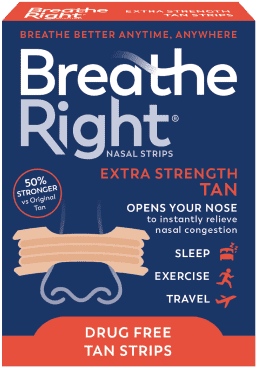

Nasal snoring — congested, mouth closed, a whistling rumble
If breathing through your nose feels blocked, or one trial strip quiets a night, the fix is mechanical: hold the nasal passages open. Strips lift from outside, dilators prop from inside — cheap, drug-free, and useless for throat snorers, which is exactly why they double as a diagnosis.
Breathe Right$16.97 (Amazon price as of – Details)
Breathe Right Extra Strength Tan, 44 Count
The $16 first experiment — 44 nights of the category's most proven strip, and a diagnosis if it works.
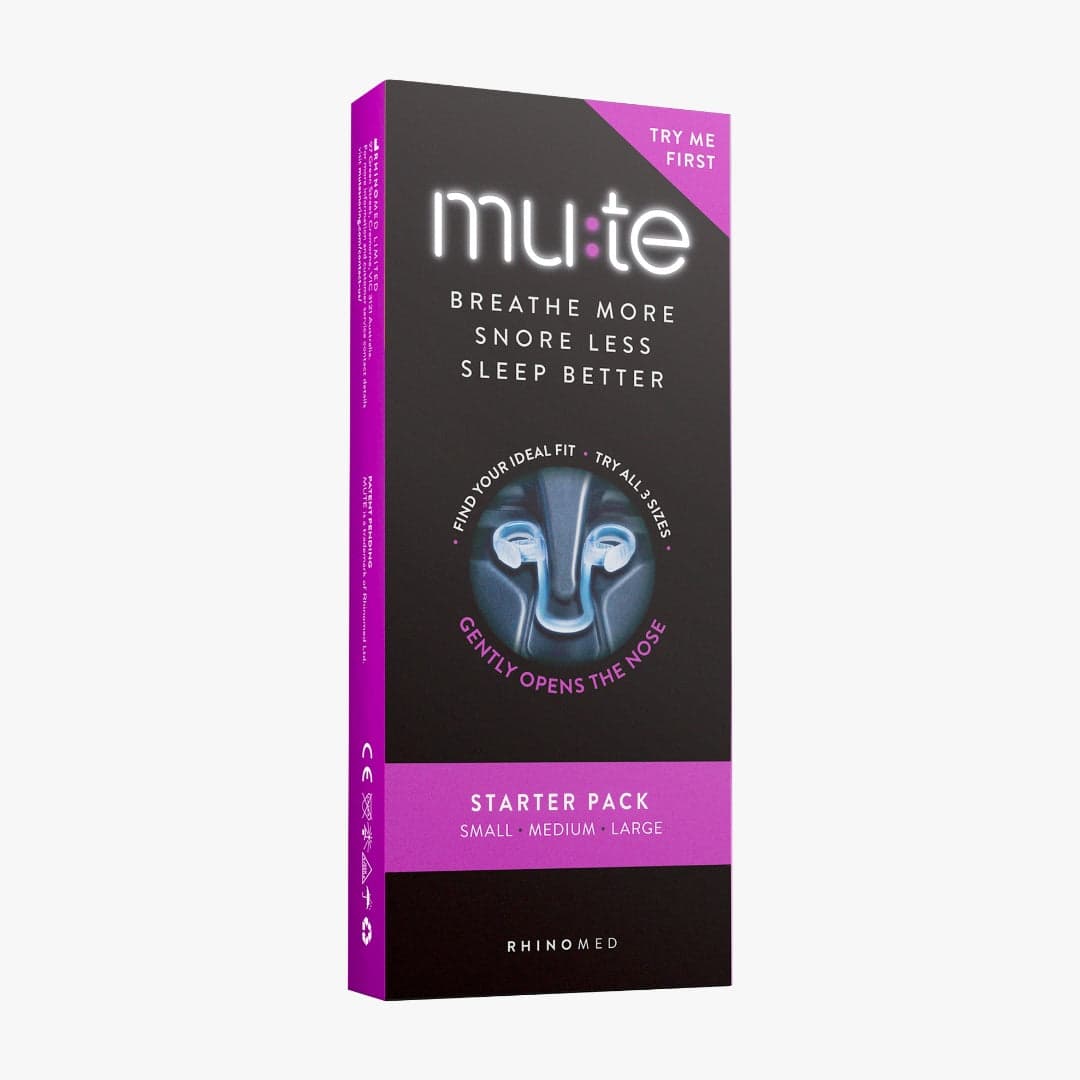
Mute$17.99 (Amazon price as of – Details)
Mute Starter Pack (S + M + L)
Internal dilator with per-nostril adjustment — the move when strips fall off or irritate skin.
Intake Breathing$39.99 (Amazon price as of – Details)
Intake Starter Kit (4 Bands + 15 Tab Sets)
Magnetic band with the strongest hold in the category — for people who've out-muscled ordinary strips.
Snore type 2 · The mouth & throat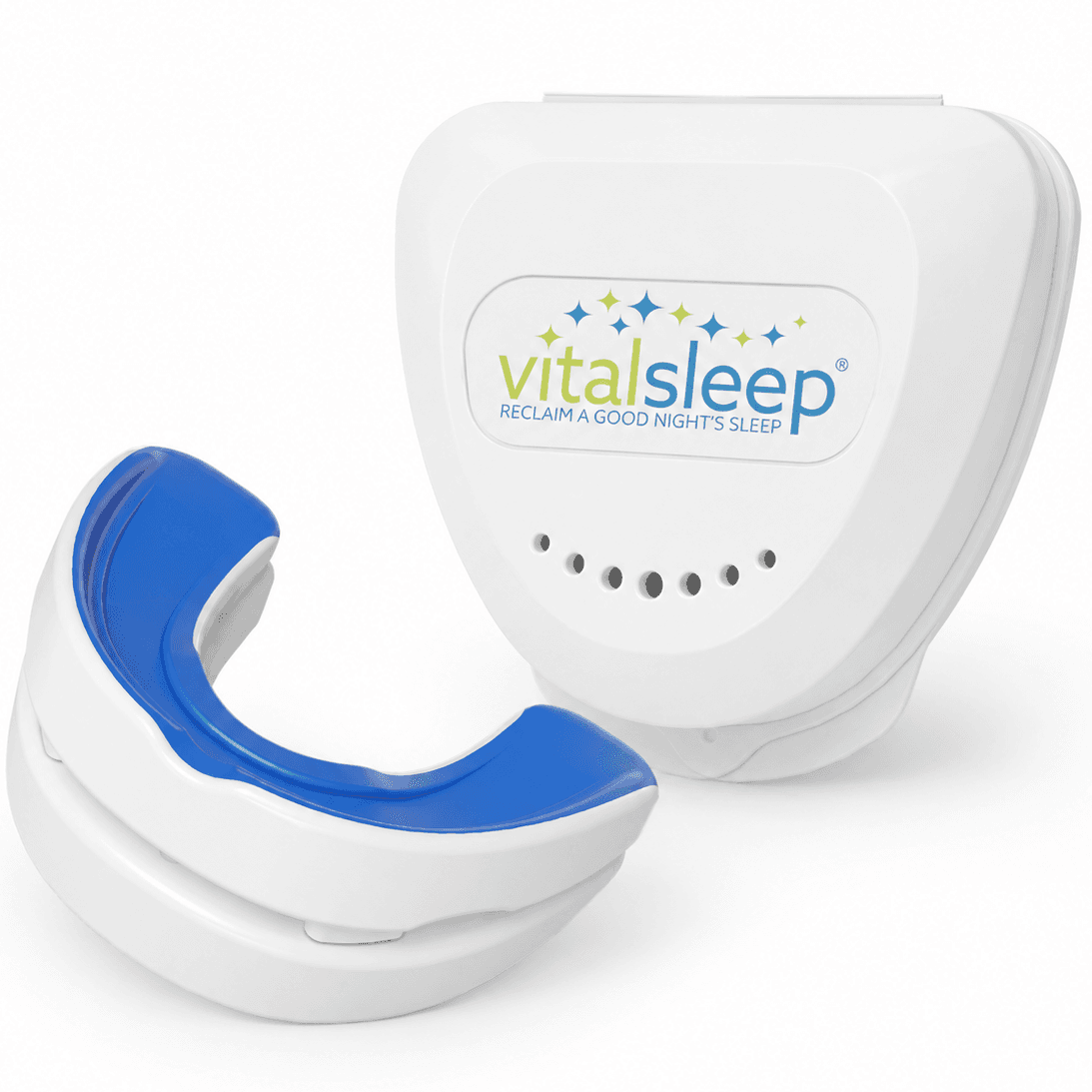

Mouth snoring — jaw drops, the sound comes from the throat
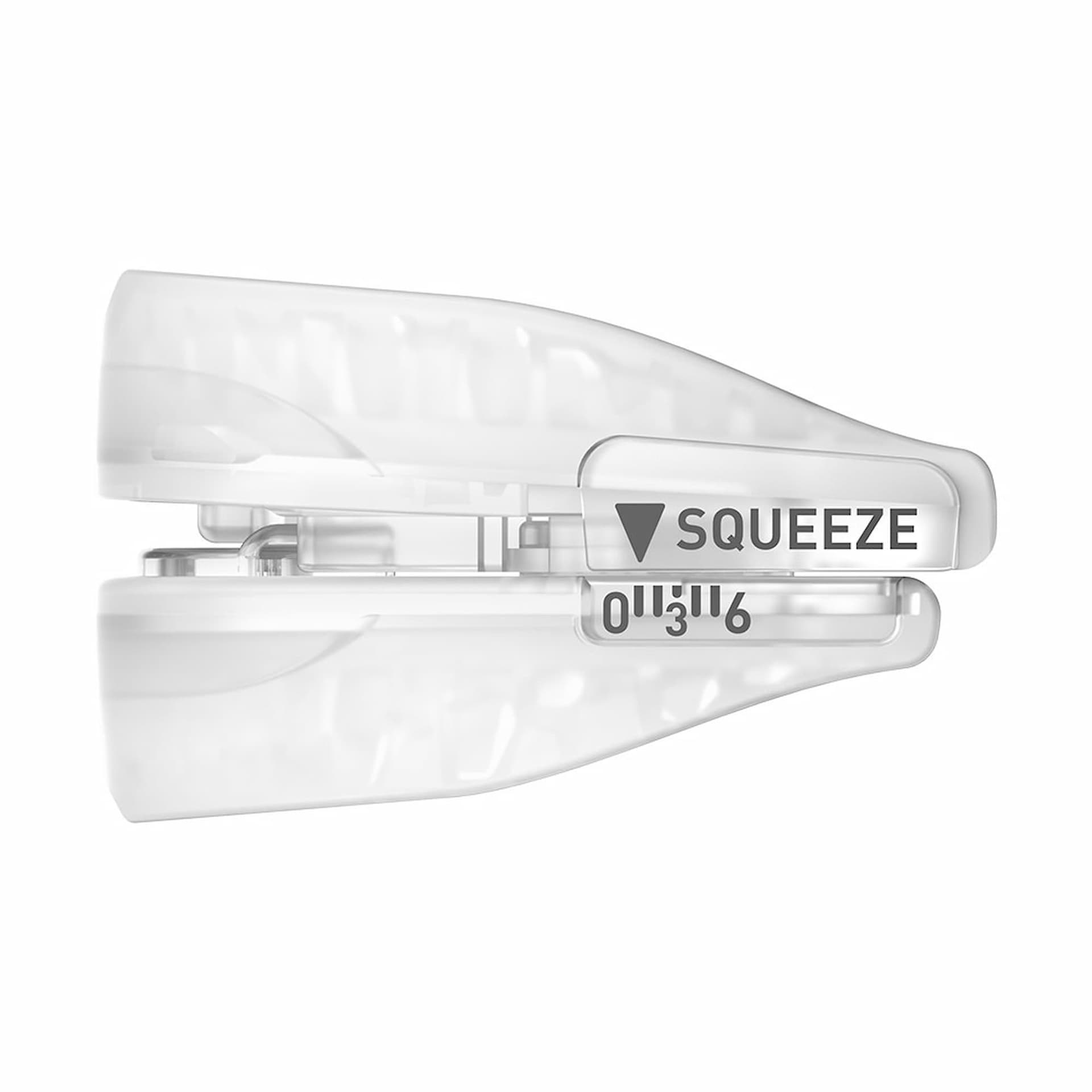
When the jaw falls open, the tongue drifts back and soft tissue vibrates. The fixes reposition something: mouthpieces hold the jaw forward, a tongue device holds the tongue, tape holds the lips. All demand an adjustment period, and none belong in a mouth with TMJ problems, dentures, or loose teeth — read the contraindications before the reviews.
VitalSleep$199.95
VitalSleep Anti-Snoring Mouthpiece
Adjustable boil-and-bite mouthpiece, FDA-cleared, with a real 1-year warranty — the committed pick.
ZQuiet$59.95 (Amazon price as of – Details)
ZQuiet 2-Size Starter Pack
No molding, two sizes in the box, $59.95 — the lowest-friction way to test whether jaw advancement is your fix.
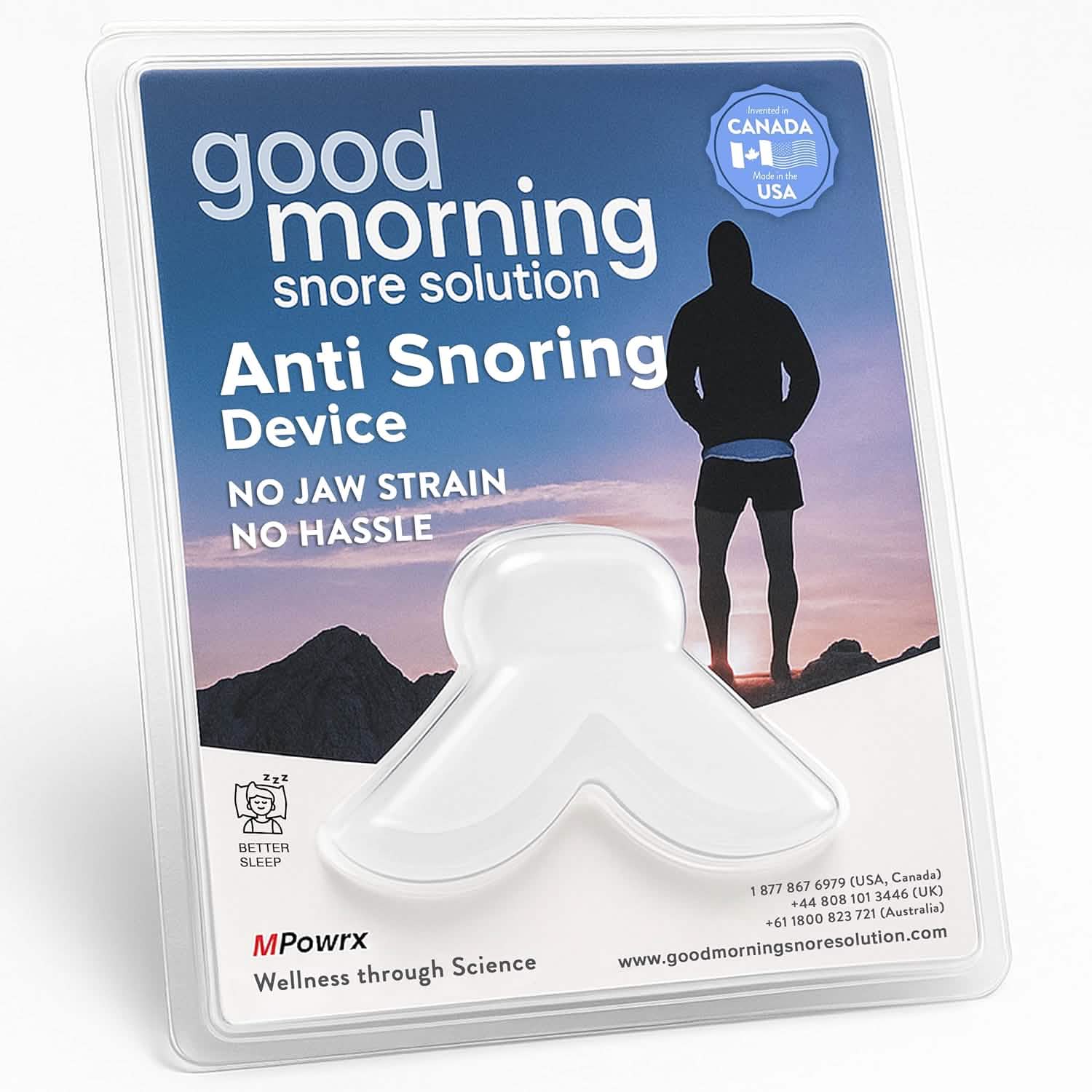
Good Morning Snore Solution$84.94 (Amazon price as of – Details)
Good Morning Snore Solution Mouthpiece, Adult Regular
Holds the tongue, not the jaw — the pick for TMJ sufferers and denture wearers (nasal breathers only).
SnoreRx$99.99
SnoreRx Plus
1mm micro-adjustment and vertical jaw freedom for people who want to dial in the advancement precisely.
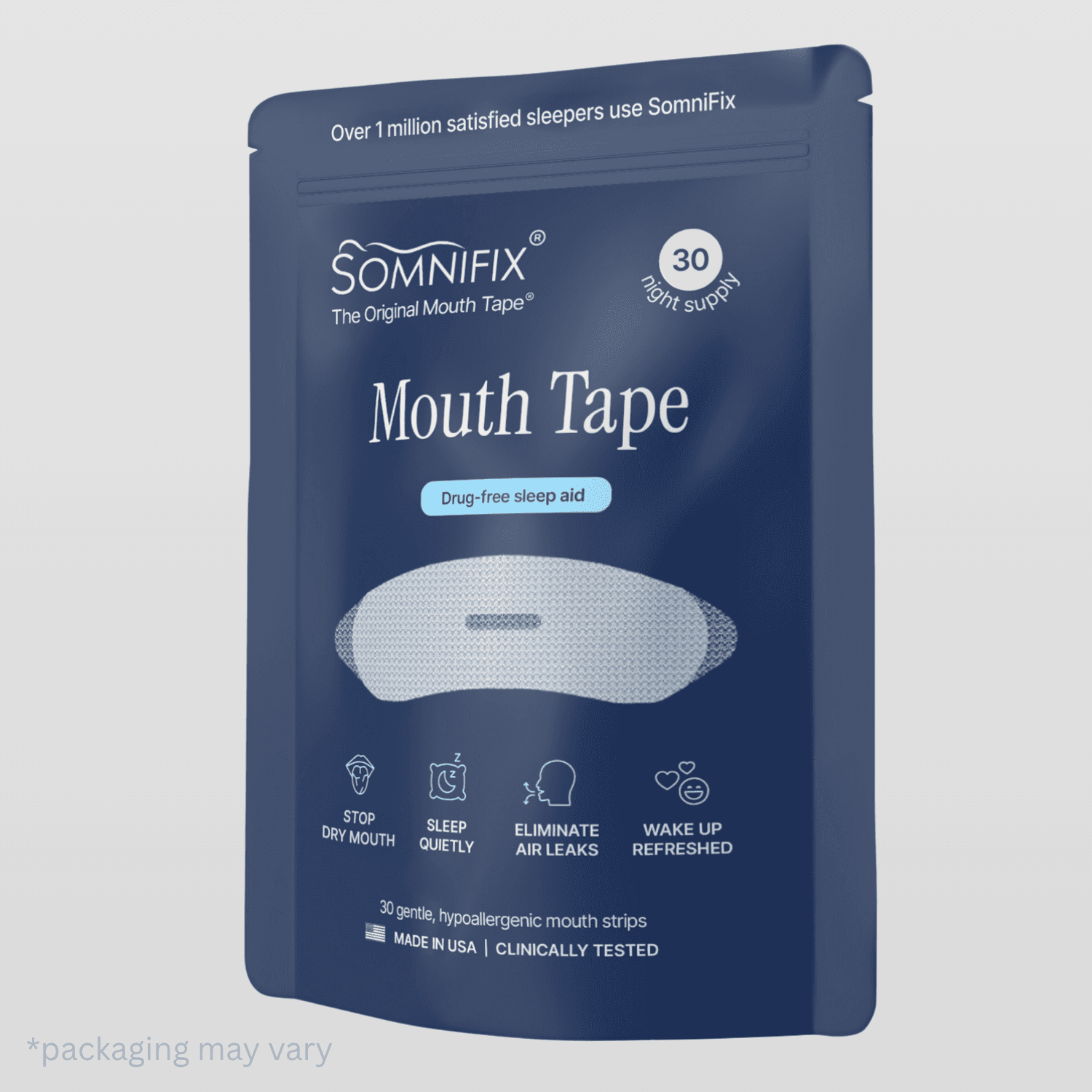
SomniFixCheck price
SomniFix Mouth Strips, 30-Pack
Mouth tape with a vent — for confirmed mouth-breathers with clear noses; read the long exclusion list first.
Snore type 3 · The position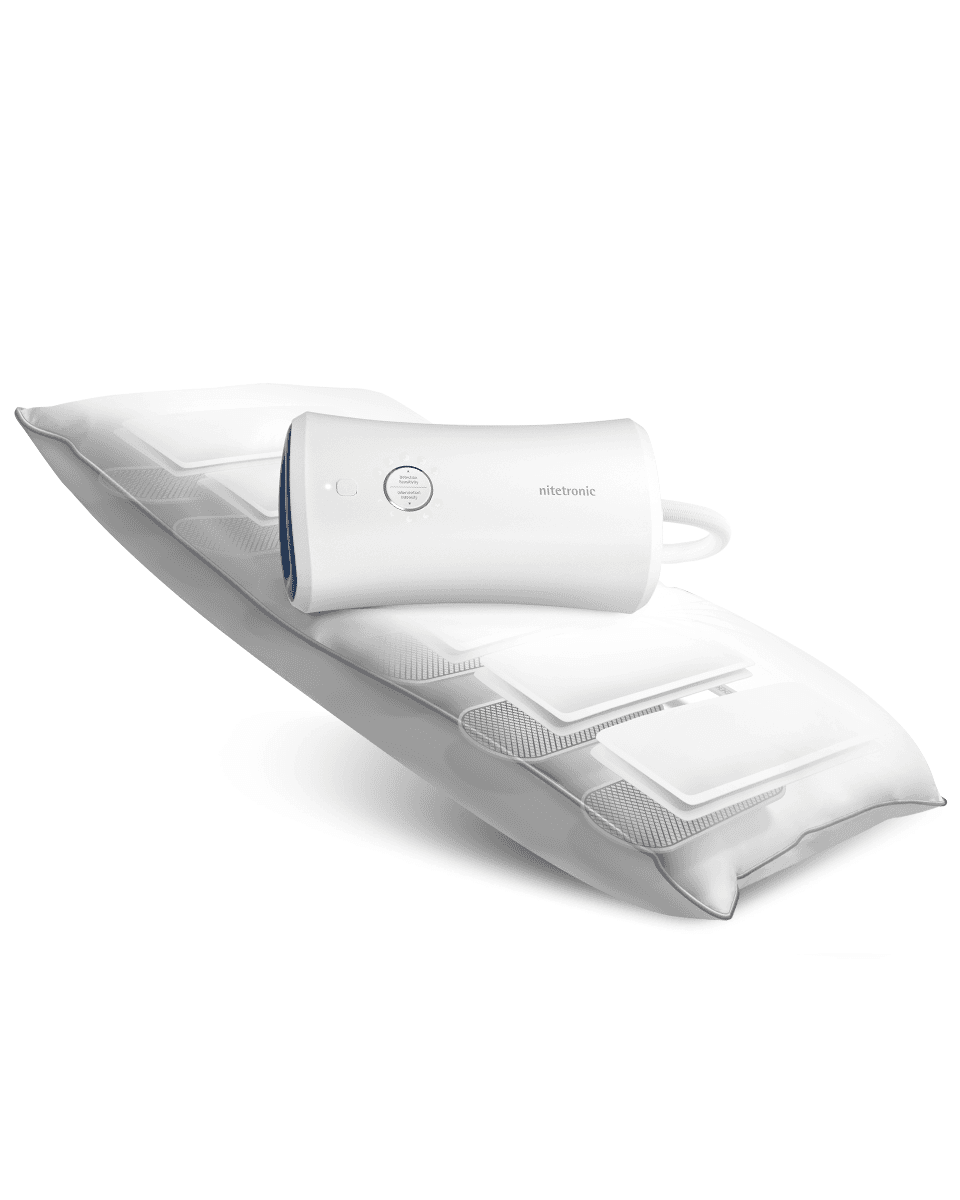
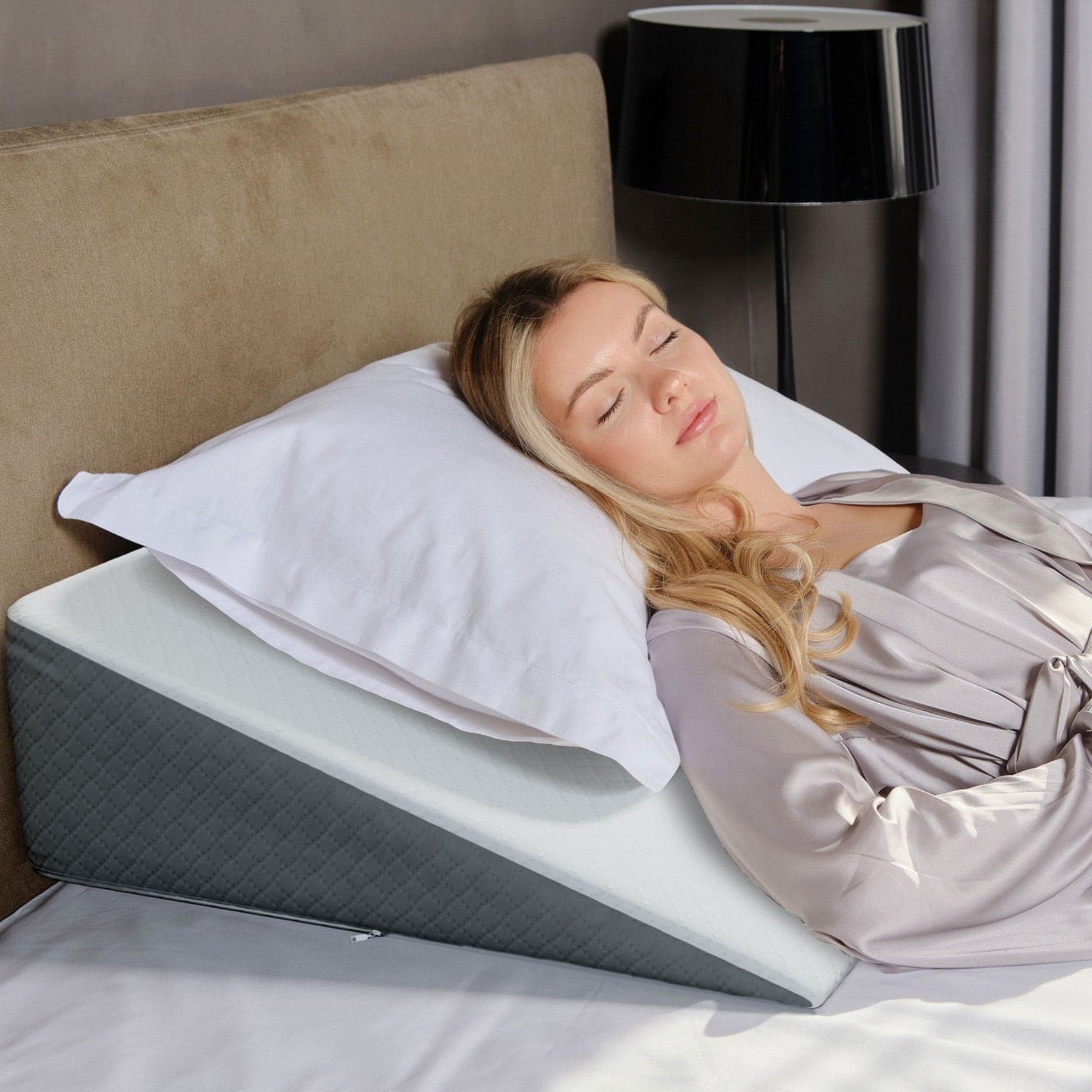
Positional snoring — quiet on your side, loud on your back
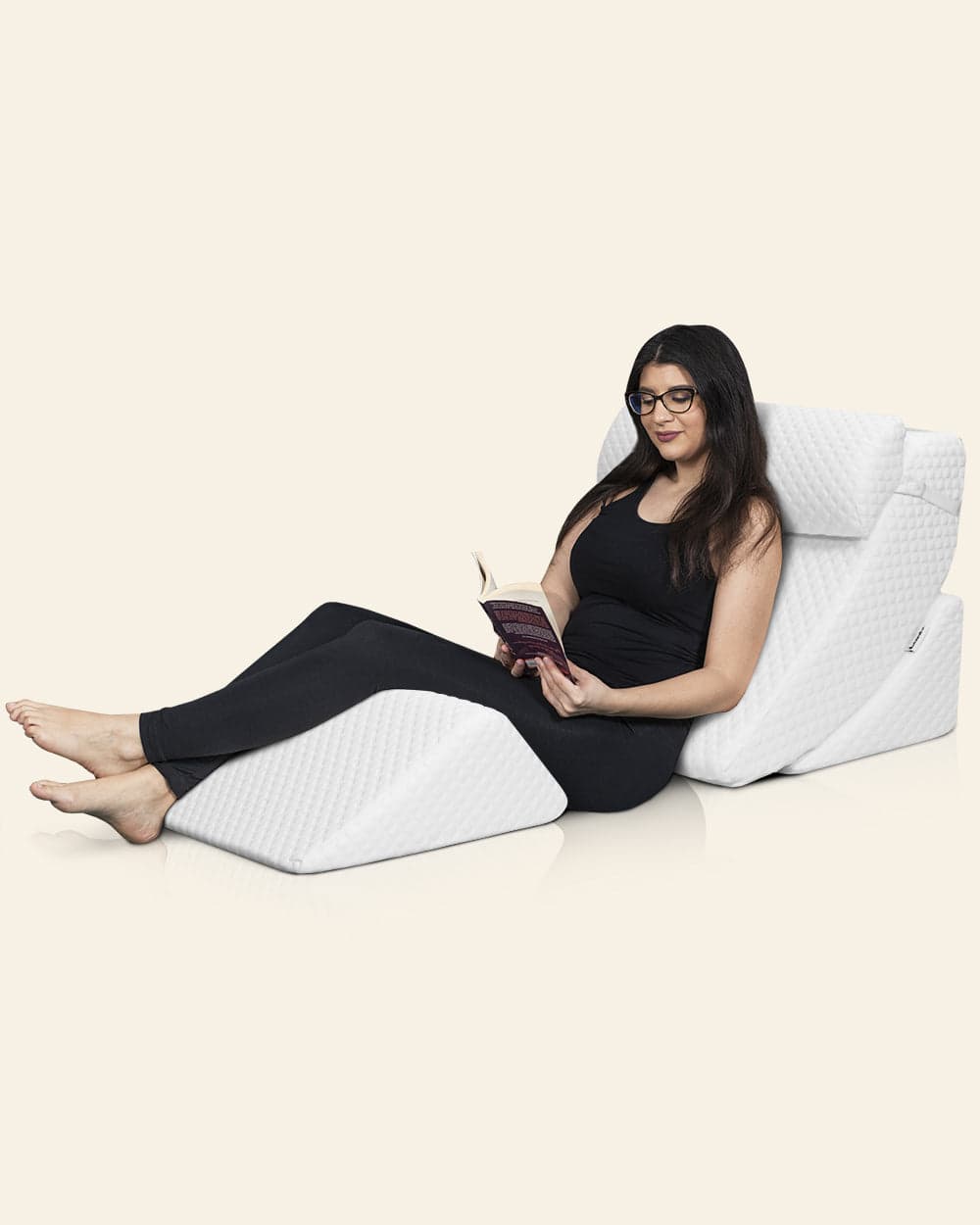
Flat back-sleeping lets gravity pull the tongue straight back. The fixes change geometry: elevation opens airflow, and smart pillows physically turn your head when they hear you snore. Elevation earns a bonus for anyone whose snoring travels with nighttime reflux — the same incline addresses both.
NitetronicCheck price
Nitetronic Z6 Smart Anti-Snore Pillow
Sensors + a quiet air chamber turn your head when snoring starts — contact-free, with a 30-night trial.
Lunix$159.97 (Amazon price as of – Details)
Lunix LX5 4-Piece Orthopedic Set
Four stackable pieces to find the angle that stops the snoring, with a knee pillow against the slide-down.
Kolbs$35.99 (Amazon price as of – Details)
Kolbs Bed Wedge Pillow, Standard 7.5"
The gentle 7.5-inch entry wedge — the low-cost way to test whether incline changes your nights.
Meanwhile, in the other half of the bed
The partner's survival kit
Fixes take nights or weeks to prove themselves. While that experiment runs, the non-snorer's options are blocking and masking — neither treats the snorer, both protect the relationship.
Snoring questions, answered straight
How do I know what kind of snorer I am?
Two cheap home tests narrow it down. Nose test: close your mouth and breathe through your nose — if it feels blocked, or a trial nasal strip quiets you for a night, you're likely a nasal snorer. Position test: if your partner says you're quiet on your side and loud on your back, you're a positional snorer. If neither applies and the sound is a throaty rumble with your mouth open, you're likely a mouth/throat snorer — the territory of mouthpieces and mouth strips.
When is snoring a sign of sleep apnea?
Loud snoring with gasping, choking, witnessed pauses in breathing, morning headaches, or crushing daytime sleepiness are hallmark signs of obstructive sleep apnea. No product on this page diagnoses or treats sleep apnea — if any of those signs sound familiar, ask a doctor about a sleep study before buying anything. Quieting the noise without treating the condition is the worst outcome an anti-snoring purchase can produce.
What's the cheapest fix worth trying first?
For suspected nasal snoring, a box of Breathe Right strips (about $16 for 44 nights) doubles as both a fix and a diagnostic — if strips silence you, you've confirmed nasal-origin snoring for the price of a lunch. For positional snoring, a wedge pillow or even a firm body-position change costs little to test. Mouthpieces cost more and demand an adjustment period, so they're a second step, not a first guess.
Do anti-snoring mouthpieces really work?
Mandibular advancement devices (MADs) hold the lower jaw forward so the airway stays open, and they are a recognized approach for simple snoring — but they demand tolerance: expect jaw soreness and drooling for the first week or two, and they're unsuitable for people with TMJ disorders, dentures, loose teeth, or braces. Tongue-retaining devices like the Good Morning Snore Solution sidestep the jaw entirely but require clear nasal breathing.
Can a wedge pillow stop snoring?
It can help positional snorers: elevating the head and torso improves airflow and keeps the tongue from falling straight back, which is why head-of-bed elevation appears in clinical advice for both snoring and nighttime reflux. It's most effective when your snoring is worst flat on your back. If you snore just as loudly on your side at an incline, the problem is nasal or throat-based and elevation alone won't fix it.
What can my partner do in the meantime?
While you experiment with fixes, the partner's toolkit is masking and blocking: foam earplugs run under $20 for 50 pairs, and a white-noise machine smooths the peaks of snoring rather than silencing it. Neither treats the snorer — but they buy the relationship time while the real fix gets sorted.
How we work: SleepyHero compares products editorially from published specs, manufacturer documentation, independent reviews, and owner consensus — we have not done hands-on testing, and we say so on every product page. We earn a commission on some outbound links; rankings are never sold. Medical decisions — suspected sleep apnea, persistent reflux, anything involving a prescription — belong with your doctor.