ANTI-SNORING·GOOD MORNING SNORE SOLUTION
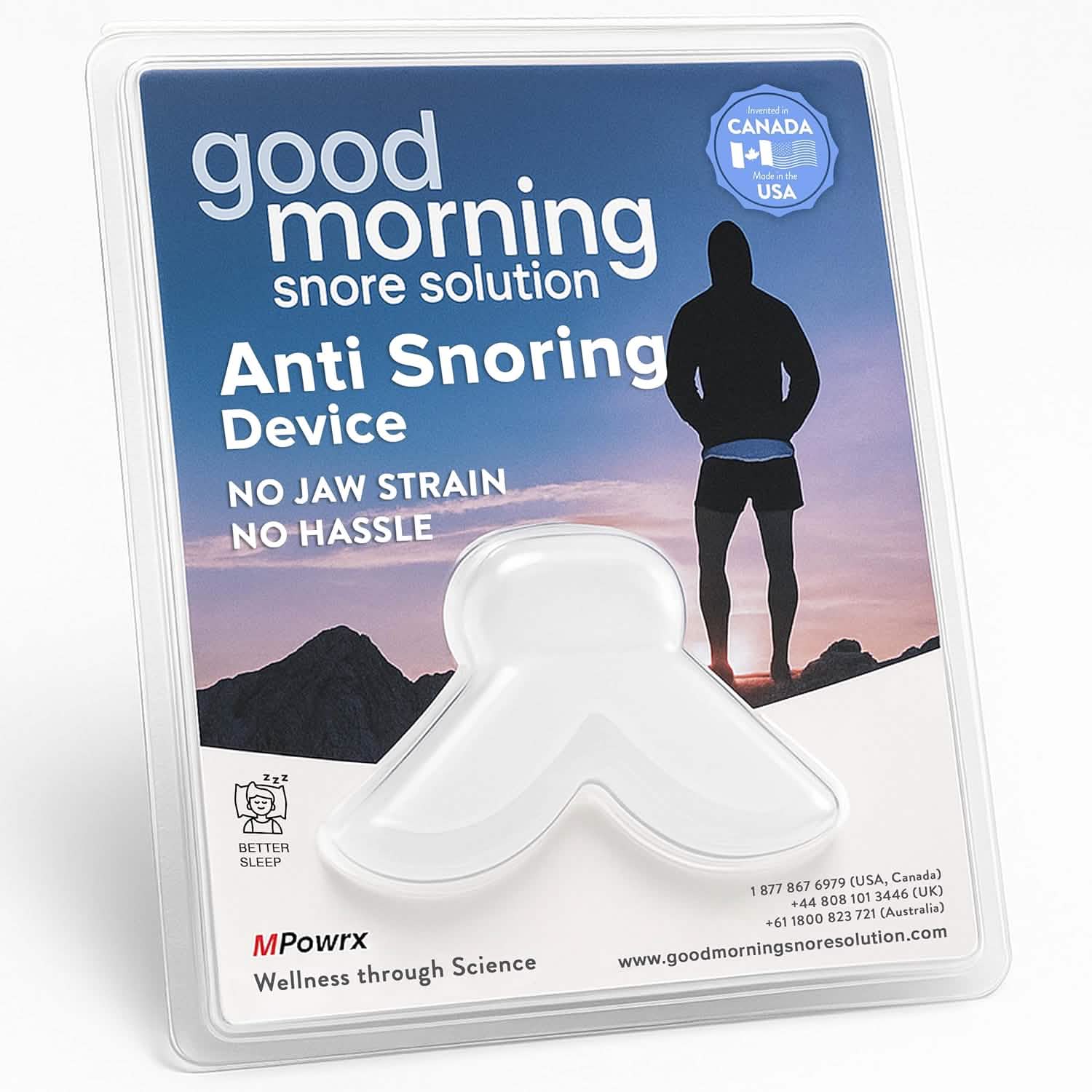
Good Morning Snore Solution Mouthpiece, Adult Regular
Editor score8.4/10
Best for: TMJ and denture users who can't wear a MAD
Lowest price we found
$84.94
At Amazon (as of – Details)
Buy at Amazon · $84.94 ↗Review updated 2026-07-28
Type
Tongue-retaining device
Mechanism
Suction bulb holds tongue tip forward
Jaw pressure
None — TMJ & denture friendly
The tongue-suction alternative for people MADs exclude — zero jaw pressure, FDA-cleared — if you can breathe through your nose and survive a drooly first month.
The Good Morning Snore Solution is not a jaw device at all: a small suction bulb holds the tip of the tongue gently forward between the lips, keeping it from falling back into the airway. Because it puts zero pressure on the jaw or teeth, it's the pick for exactly the people mandibular advancement devices exclude — TMJ disorder, denture, loose-teeth, and braces cases. It was designed by dentist-researcher Dr. Leslie Dort, is FDA-cleared (K193239, MPowRx), is for adults 18+, and costs $83.94 (list $84.94) with 30-day returns. The hard requirement: you must breathe through your nose all night — congestion, allergies, or a blocked nose make it unusable, full stop. Owner consensus says it genuinely works for a meaningful subset of snorers, and that drooling and tongue soreness are near-universal for the first one to four weeks. It's a simple-snoring aid, not a sleep apnea treatment — snoring with gasping, breathing pauses, or daytime exhaustion needs a doctor first.
Price & where to buy
Prices checked 2026-10-17GMSS
GoodMorningSnoreSolution.com
Regular size · 30-day returns
Price varies
Not price-checked
amazon
AmazonBest price✓ Fast delivery · easy returns
Regular size
$84.94
(as of – Details)
Prices shown were last checked on 2026-10-17 and can change at any time — the price on the retailer's site at checkout is the one that applies. Product prices and availability are accurate as of the date/time indicated and are subject to change. Any price and availability information displayed on Amazon.com at the time of purchase will apply to the purchase of this product. As an Amazon Associate and affiliate we may earn a commission on purchases made through these links, at no extra cost to you.
How our prices work
We show the price at our recommended retailer as at our last check of that offer (2026-10-17) and the manufacturer's list price for comparison. Amazon prices come from Amazon's own product data service and are refreshed twice a day; each one shows the date and time Amazon gave it, and one older than 24 hours is replaced by “Check price”. Other retailers' prices are checked by hand and show the date of that check. Retail prices move constantly, so the price on the retailer's own page at checkout is the one that applies. More on Amazon prices
Should you buy it?
What we like
- Zero jaw or teeth pressure — usable with TMJ, dentures, or braces
- FDA-cleared (K193239), designed by dentist-researcher Dr. Leslie Dort
- One size, no boiling, no adjustment screws — simple nightly routine
What to know before buying
- Unusable without clear nasal breathing — congestion ends the night
- Drooling and tongue soreness are near-universal in weeks 1–4
- Works for a meaningful subset, not a majority — expect a real trial
Free, by email
Free · no cardGet your pillow and bed setup right.
One practical idea at a time for neck, back, heat and snoring, plus what we would skip and why.
Free. Five short emails over two weeks, then about one a month. Unsubscribe any time.
At a glance
TypeTongue-retaining device
MechanismSuction bulb holds tongue tip forward
Jaw pressureNone — TMJ & denture friendly
Hard requirementClear nasal breathing all night
FDA statusCleared — K193239
Designed byDr. Leslie Dort, dentist-researcher
AgesAdults 18+
SizeAdult Regular
Returns30 days
How it scores
How our 8.4/10 breaks down — rated on the dimensions that matter most for anti-snoring, from published specifications and third-party test data, not the marketing.
Effectiveness (for its snore type)
7.5/10
Comfort & tolerability
7/10
Ease of nightly use
8/10
Durability & running cost
7.5/10
Value
7.5/10
Compare with alternatives
Quick verdicts for the anti-snoring most often considered alongside the Good Morning Snore Solution Mouthpiece, Adult Regular.
VS·HEAD-TO-HEAD
Good Morning Snore Solution Mouthpiece, Adult Regular vs ZQuiet 2-Size Starter Pack
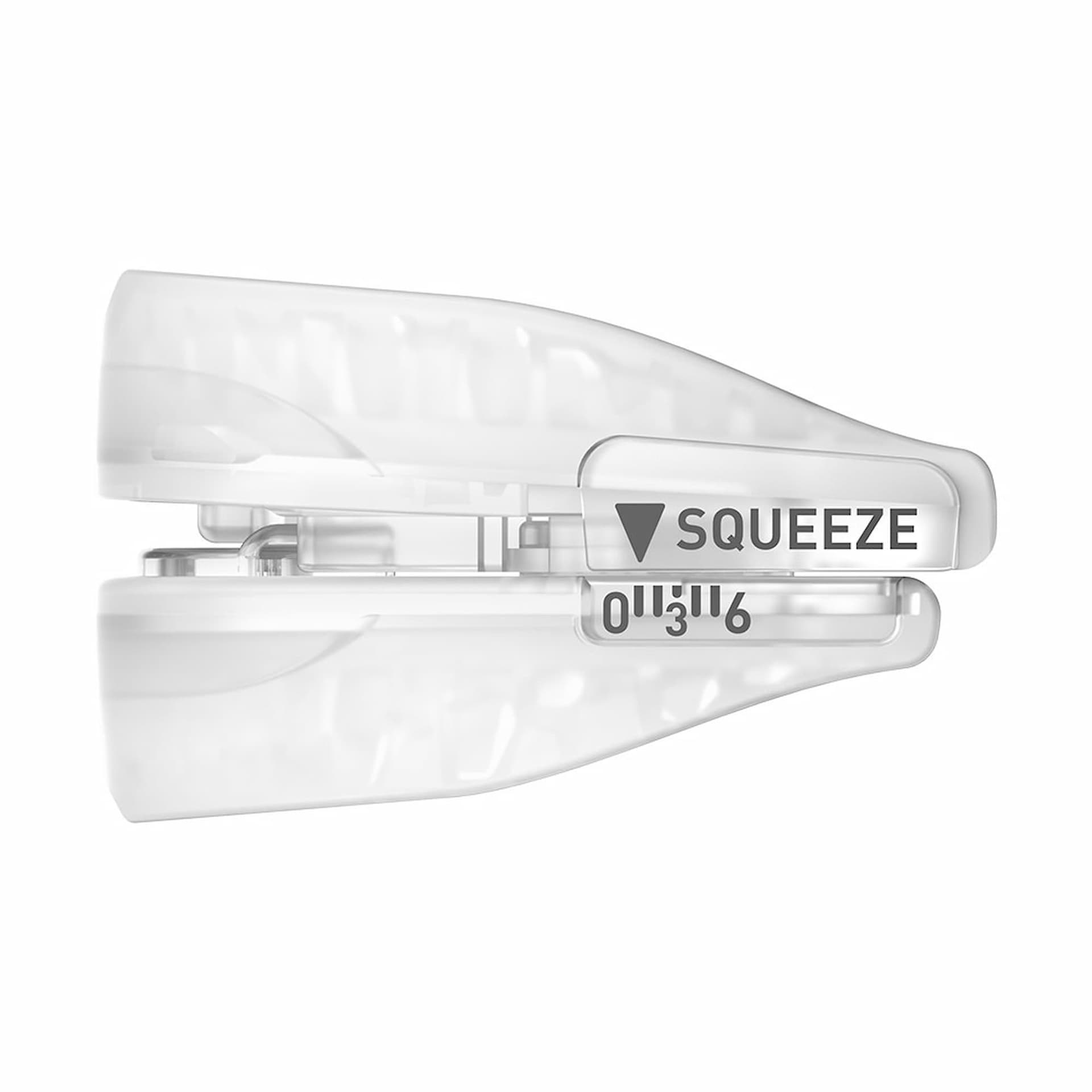
The no-fitting MAD — two ready-to-use mouthpieces at fixed +2mm and +6mm advancements for $59.95 — great if one of those two settings happens to fit you.
→ First-time MAD buyers who want zero fitting
VS·HEAD-TO-HEAD
Good Morning Snore Solution Mouthpiece, Adult Regular vs VitalSleep Anti-Snoring Mouthpiece
The tinkerer's boil-and-bite MAD — 1mm screw adjustments, two sizes, and a 1-year warranty with free replacements — at $199.95, a price the guarantee has to justify.
→ Snorers who want millimeter-level adjustability
VS·HEAD-TO-HEAD
Good Morning Snore Solution Mouthpiece, Adult Regular vs Mute Starter Pack (S + M + L)
An internal, per-nostril-adjustable dilator whose $17.99 starter pack exists because sizing is make-or-break — reusable, but a consumable at ~$0.60–1.80 a night, and FDA registered, not cleared.
→ Nasal snorers who want a reusable, tunable fit
Decision support · what no other comparison site has
Take the quiz · 60 secNot sure which one is right for you?
Our 60-second sleep score quiz asks 8 questions and recommends the right sleep gear for your goals. Free, no signup.
Editor's deep dive
Is the Good Morning Snore worth it?
The short answer
The Good Morning Snore Solution is an FDA-cleared (K193239) tongue-retaining device: a suction bulb holds the tongue forward with zero jaw pressure, making it the option for TMJ, denture, and braces cases that mandibular advancement devices exclude. About $84, adults 18+, requires nasal breathing. A snoring aid — not a sleep apnea treatment.
Who it's for
Its clearest audience is everyone the MAD aisle turns away: TMJ disorder, denture, loose-teeth, and braces cases get a legitimately different mechanism instead of a compromise [1]. It also suits sleepers who tried a MAD and hated the jaw-ache mornings. The gate is nasal patency — this device assumes your nose works all night, every night, so congestion-prone buyers should fix or route around the nose first. As with everything in this category, snoring with gasping, pauses, or daytime exhaustion is a medical conversation, not a shopping one [2].
Best for you if…
TMJ, denture, braces, or loose-teeth cases Great fit
The only mouthpiece mechanism in our lineup that never touches jaw or teeth.
MAD refugees with sore jaws Great fit
Tongue suction replaces jaw advancement entirely — different mechanism, different morning.
Congestion-prone or allergy-season sleepers Skip it
Nasal breathing is a hard requirement; a blocked nose makes the device unusable that night.
Impatient trialists Decent fit
Weeks 1–4 of drooling and tongue soreness are the norm; quitting early wastes the purchase.
Bottom line
The GMSS earns the highest score of our mouthpieces not because it works for the most people — it doesn't; MADs likely do — but because it's the only credible option for the large group that MADs exclude, and it does that job with real clearance, a dentist-researcher pedigree, and a simple nightly routine. Go in with both eyes open: your nose must hold up all night, and the first month is genuinely drooly. If those two clear, it's the gentlest serious device in the category.
How we scored this
Synthesis-only evaluation — SleepyHero has not done hands-on testing of the Good Morning Snore Solution. We scored it on the brand's published specs, its FDA 510(k) record (K193239, applicant MPowRx) [1], the design lineage from dentist-researcher Dr. Leslie Dort, and owner-review consensus on adaptation time, drooling, and the nasal-breathing requirement, weighed against the mouthpieces and nasal devices in our anti-snoring lineup. These devices address simple snoring only; they are not treatments for obstructive sleep apnea, and snoring with gasping, breathing pauses, or daytime exhaustion should be evaluated by a doctor before any purchase [2]. Reviewer signoff by Dr. Logan Foley, CSSC pending.
More anti-snoring we compared
See all →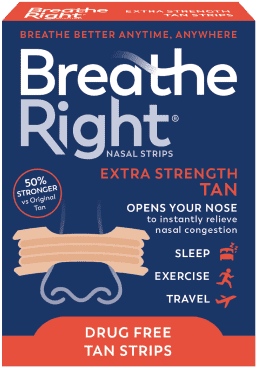

Frequently asked questions
Does the Good Morning Snore Solution treat sleep apnea?
No — it's cleared as a snoring aid for simple snoring. If your snoring includes gasping, choking, witnessed breathing pauses, or you're dragging through the day exhausted, see a doctor and ask about a sleep study before buying any over-the-counter device, this one included.
Can I use it if my nose is often blocked?
No, and this is the one dealbreaker to take literally: with your tongue held forward between your lips, your nose is your only airway. Chronic congestion, allergies, or a deviated septum make the device unusable. If your nose is the problem, start on the nasal side instead — a dilator like Mute or Breathe Right strips.
Does the drooling ever stop?
Mostly, yes — drooling and a sore tongue tip are near-universal in the first one to four weeks, then settle for most people who stick with it. Plan the 30-day return window around that curve: if week four still feels like week one, it's probably not your device.
Why choose this over a jaw-advancement mouthpiece?
If you have a TMJ disorder, dentures, loose teeth, or braces, the choice is made for you — MADs are off-limits and this isn't, because it never touches jaw or teeth. If you're free to use either, MADs work for more people, but this is the gentler night: no jaw repositioning, no bite changes, one small bulb.
Affiliate disclosure: SleepyHero earns a small commission when you buy through these links. It doesn't cost you extra. Reviews and rankings are editorial — we don't accept payment for placement.