10 COOLING TECH · UPDATED 2026-11-21
Cooling tech — 10 picks for hot sleepers
Prices from brand-direct stores and Amazon. Cooling method, coverage, controls, and running costs compared side-by-side. No sponsored ranking.
What is the best cooling tech for hot sleepers?
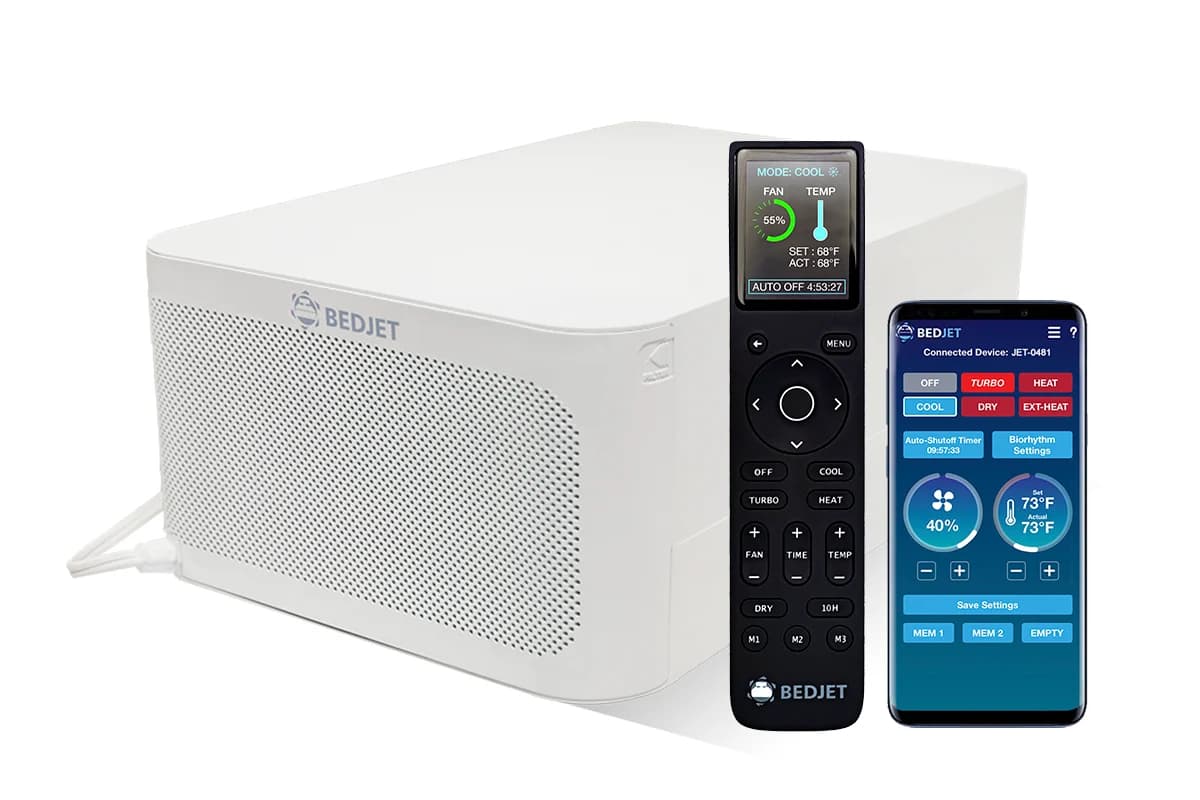
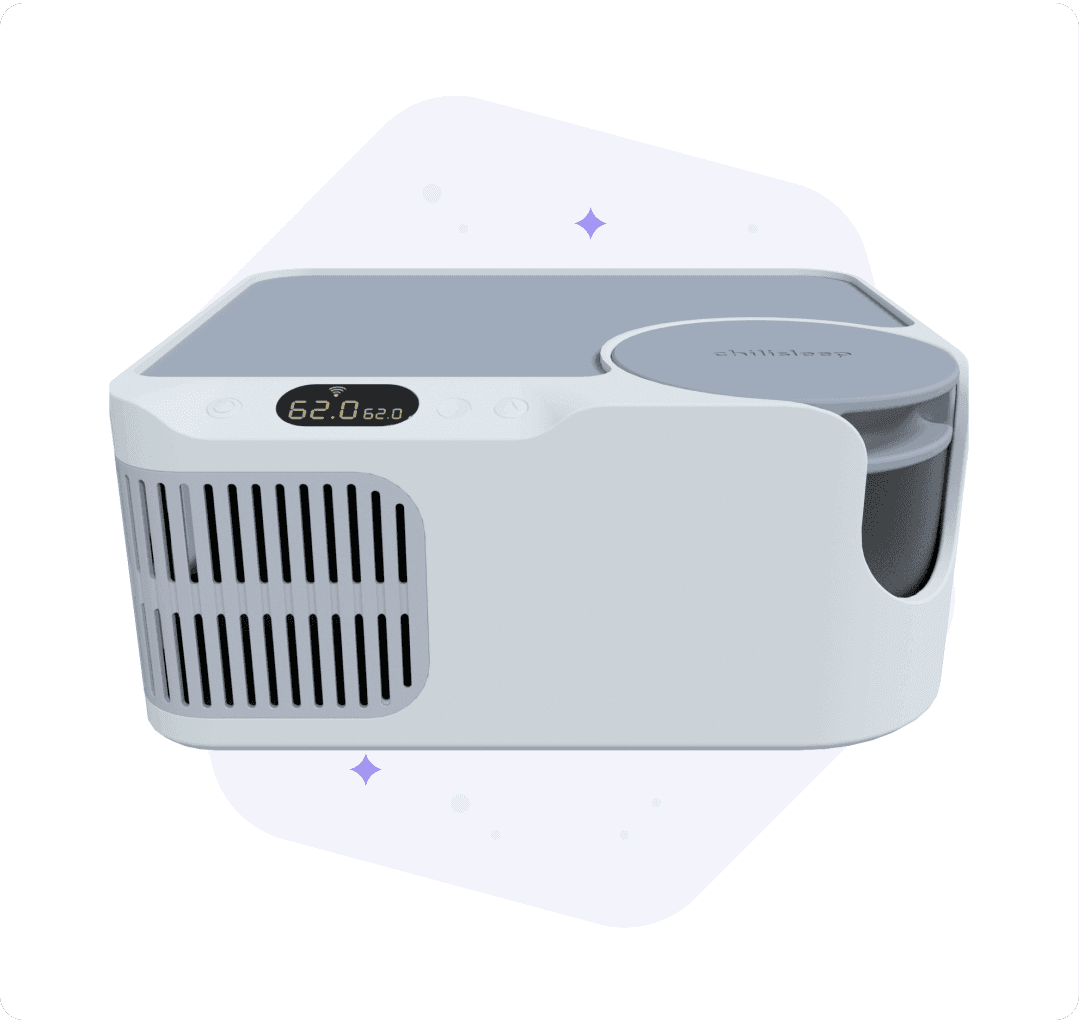
Chilipad 1.0 (Dock Pro) Cooling Pad (8.6/10) is the pick for precise control: it circulates water through a pad, and Sleepme lists 55 to 115°F. BedJet 3 (8.8/10) suits couples with different temperatures, since it blows air between the sheets and offers a dual-zone option. Slumber Cloud Core Mattress Pad (8.3/10) fits hot sleepers who want no cords or pump, using passive phase-change material. Rest Evercool Cooling Comforter (Queen) (8.0/10) is the comforter pick, with a cool-to-touch fabric over a down-alternative fill.
- Temperature ranges are the makers' figures: Chilipad 55 to 115°F, BedJet 66 to 109°F, and BedJet's minimum depends on the room's temperature.
- Slumber Cloud Core Mattress Pad (8.3/10) and Rest Evercool Cooling Comforter (Queen) (8.0/10) use no power, so they cannot be set to a temperature; their cooling claims are the makers' own.
- Scores are our editors' ratings from published specs and owner reviews, not lab tests.
- Sources: Sleep Foundation, best temperature for sleep.
Not sure which one?
Buying guides for this category
How to choose
Three steps to the right pick
Match it to how you sleep
Your position, budget and the problem you're fixing narrow the field fast.
Take the 60-sec quiz →Compare the shortlist
Weigh the picks head-to-head on the specs that matter — filter and sort the table.
Jump to comparison ↓Check the price, then buy
Prices move — we show the last-checked figure and send you to the retailer's live price.
See best prices →Price comparison
10 of 10 shown. Click any product for the full review + all retailer prices.



Best for...
5 category winners — different needs, different picks. All editorially scored against published specs.
BedJet 3 Climate Comfort System
Hot or cold sleepers in rooms at or below 79°F who want only the bed cooled or warmed
Molecule CopperWELL Cooling Adjustable Pillow
The lowest verified price in the lineup
Slumber Cloud Core Mattress Pad (Queen)
Passive Outlast phase-change pad — no cords, pump or noise
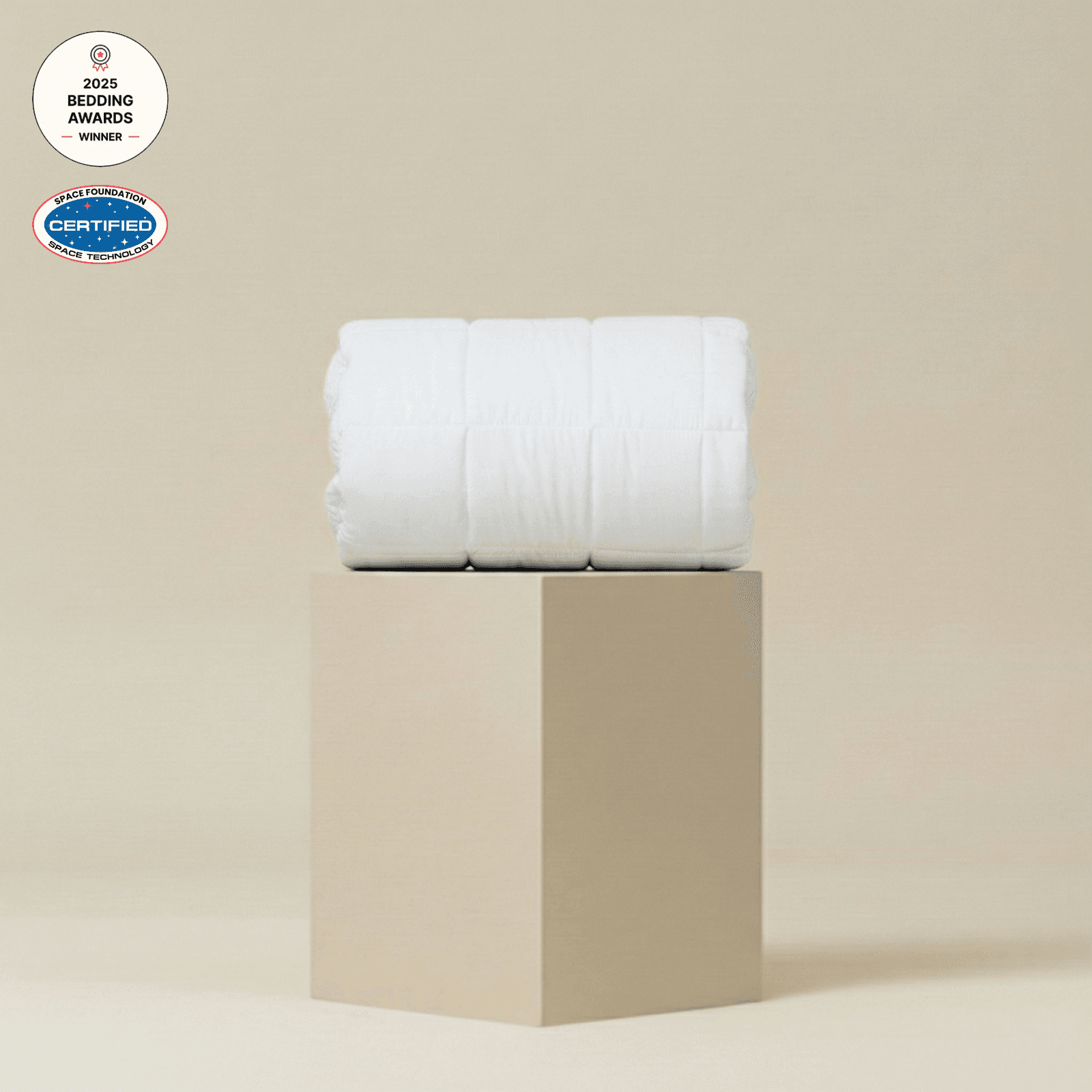
Rest Evercool Cooling Comforter (Queen)
Evercool cool-to-touch fabric over down-alternative fill, fully machine washable
Molecule CopperWELL Cooling Adjustable Pillow
Adjustable gel-infused shredded foam under a copper-infused cover
Get your pillow and bed setup right.
One practical idea at a time for neck, back, heat and snoring, plus what we would skip and why.
Free. Five short emails over two weeks, then about one a month. Unsubscribe any time.
Biggest savings vs list price
Bedsure Cooling Comforter (Queen)
Rest Evercool Cooling Comforter (Queen)
Brooklinen Down Alternative Comforter (Full/Queen)
Elegear Arc-Chill Cooling Blanket (Queen)
10 brands compared · Amazon prices checked twice a day
Brands in this category
Compare any 2 mattresses side-by-side
Head-to-head verdicts across 10 dimensions — cooling power, noise, dual-zone, running cost, value.
Trending head-to-heads
The mattress comparisons buyers actually search for.
How to pick cooling tech in 2026
Five decisions collapse this whole category into a clear pick.
1. Active cooling or passive?
Passive gear (cooling toppers, Slumber Cloud sheets, Elegear throws) sheds heat but can't beat a hot room. Active systems move heated or room-temperature air (BedJet) or chilled water (Sleepme Dock Pro) under your covers and KEEP working at 3am. Neither replaces air conditioning, though: BedJet says a bedroom regularly over 79°F overwhelms its cooling, and Sleepme says the Chilipad can reach 55°F in rooms at 74°F or cooler and may not cool properly in a warmer one. If you wake up sweating every night, passive is a band-aid — budget for active.
2. Air or water?
BedJet blows temperature-controlled air between your sheets: instant response, doubles as winter warming, nothing touches your skin. Water systems (Sleepme) pump chilled water through a mattress pad: colder maximum, a bedside unit Sleepme rates as Moderate Fan for the Chilipad 1.0, and pads need cleaning cycles. Air = flexibility; water = raw cooling power.
3. Sleeping next to a furnace?
Dual-zone is the marriage saver: BedJet's Dual Zone Climate Comfort splits the bed into two independently controlled halves, and Sleepme pads come in half-queen/king sizes. One person at 78° and one at 68° is a solved problem now — it just costs one more unit.
4. Count the total cost of ownership
The sticker price isn't the price. Eight Sleep requires its yearly Autopilot membership for the first 12 months on top of four-figure hardware, and its smart features stop without it; BedJet and Sleepme charge no subscription. Water pads need cleaning solution; filters need replacing. A no-subscription unit that lasts 5 years is the honest math.
5. What is your budget?
Check price → Sleep Zone cooling blanket, the try-it option. $33.98 (Amazon price as of – Details) → Elegear Arc-Chill cooling throw. Check current prices → Slumber Cloud or LUXOME for temperature-regulating bedding, BedJet 3 for forced-air cooling, or Sleepme Dock Pro for water-circulation cooling. Compare current offers before judging their value.
Still stuck? Take our 60-second sleep quiz. It asks 8 questions and recommends the right gear for your sleep style. Free, no signup.
Cooling tech: common questions
Does a cooling mattress pad help you sleep?
We found no independent trial of the products on this page, so their cooling claims are the makers' own. The target is better established: Sleep Foundation reports that most doctors recommend a bedroom of 65 to 68 degrees Fahrenheit for sleep. Active systems such as the Chilipad and BedJet let you set a temperature at the bed rather than for the whole room.
Are cooling bed systems noisy?
The active ones have a fan or pump. BedJet lists 38 to 39 dB on its low and medium settings and 42 dB at full cooling, measured at the pillow. Sleepme describes the Chilipad Dock Pro's noise as a moderate fan. Passive pads and cooling comforters make no sound, which is the trade-off for having no temperature control.
What is the difference between active and passive cooling?
Active systems use power to move air or water: the BedJet blows air between the sheets, and the Chilipad circulates water through a pad. Passive products rely on the fabric: Slumber Cloud lists Outlast phase-change material, with no electronics. Active systems can be set to a temperature; passive ones cannot, but they need no outlet and make no noise.