12 BLUE LIGHT GLASSES · UPDATED 2026-10-13
Blue light glasses — 12 picks compared honestly
Blue light glasses are half sleep science, half marketing — and the difference is the tint. We separate the evening red-lens pairs with real melatonin evidence from the clear 'computer glasses' that only ease daytime eye strain, so you buy the right one for your actual goal.
Not sure which one?
Buying guides for this category
How to choose
Three steps to the right pick
1
Match it to how you sleep
Your position, budget and the problem you're fixing narrow the field fast.
Take the 60-sec quiz →2
Compare the shortlist
Weigh the picks head-to-head on the specs that matter — filter and sort the table.
Jump to comparison ↓3
Check the price, then buy
Prices move — we show the last-checked figure and send you to the retailer's live price.
See best prices →Price comparison
12 of 12 shown. Click any product for the full review + all retailer prices.
BrandProductScoreLens tintBest price

SafetyBlue
SafetyBlue Sleep Savior Ultra (deep red)
Editor's ChoiceDeep red
The blocking-performance pick — one of the few here publishing separate blue AND green figures with wavelength bands.
8.6/10
Deep red
$59.95 (Amazon price as of – Details)
Compare prices →
BlockBlueLight
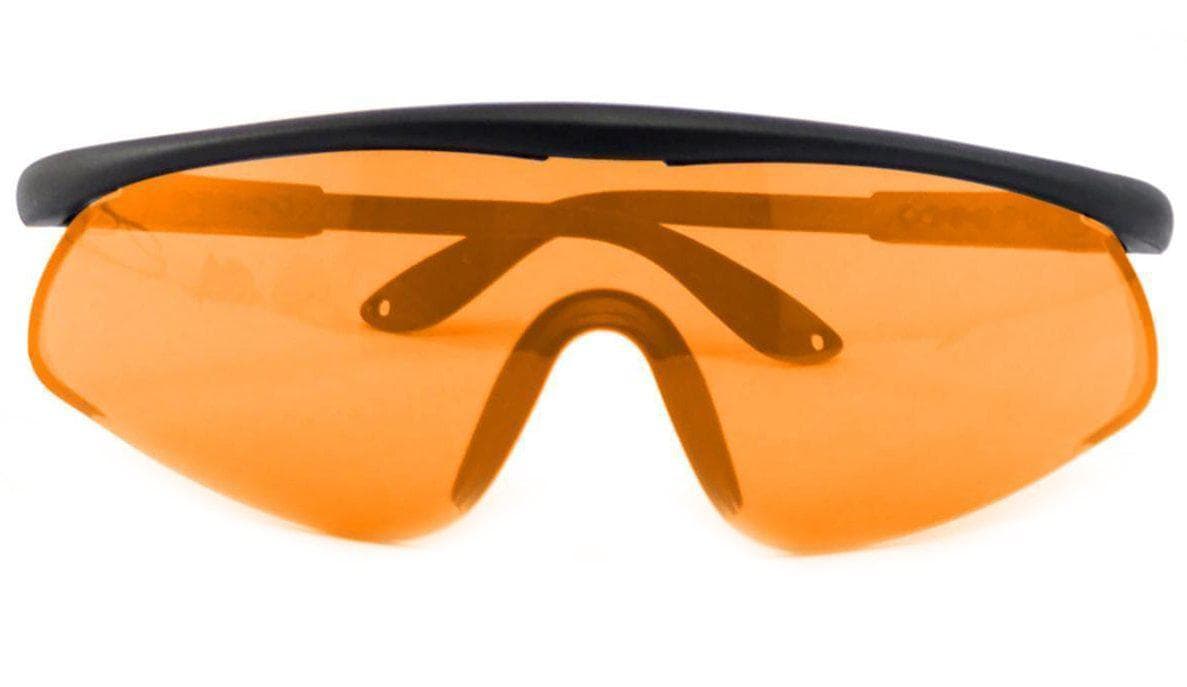
BlockBlueLight Original Blue Blocking Glasses (amber)
Amber
The only cheap pair that publishes a real transmission chart — and admits 57% of green light gets through.
8.4/10
Amber
Check price
Compare prices →

TIJN
TIJN Sleep Glasses (Red-Tint, Blue+Green Blocking)
The cheapest true red tint — the lens class with the melatonin evidence, sold without a published transmission chart.
8.3/10
Deep red (blue+green block)
$17.99 (Amazon price as of – Details)
Compare prices →

TrueDark
TrueDark Twilights Classic (deep red, foam barrier)
Deep red
Maximum blocking with a built-in light seal — violet, blue and green, plus a foam barrier nobody else includes as standard.
8.3/10
Deep red
$165.00 (Amazon price as of – Details)
Compare prices →
Spectra479
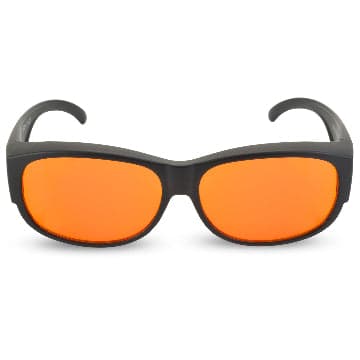
Spectra479 Fit-Over Nighttime Eyewear (amber)
Orange / amber
The answer to the most common objection in this category — it slides straight over prescription glasses, with no clips.
8.1/10
Orange / amber
$39.85 (Amazon price as of – Details)
Compare prices →
Swanwick
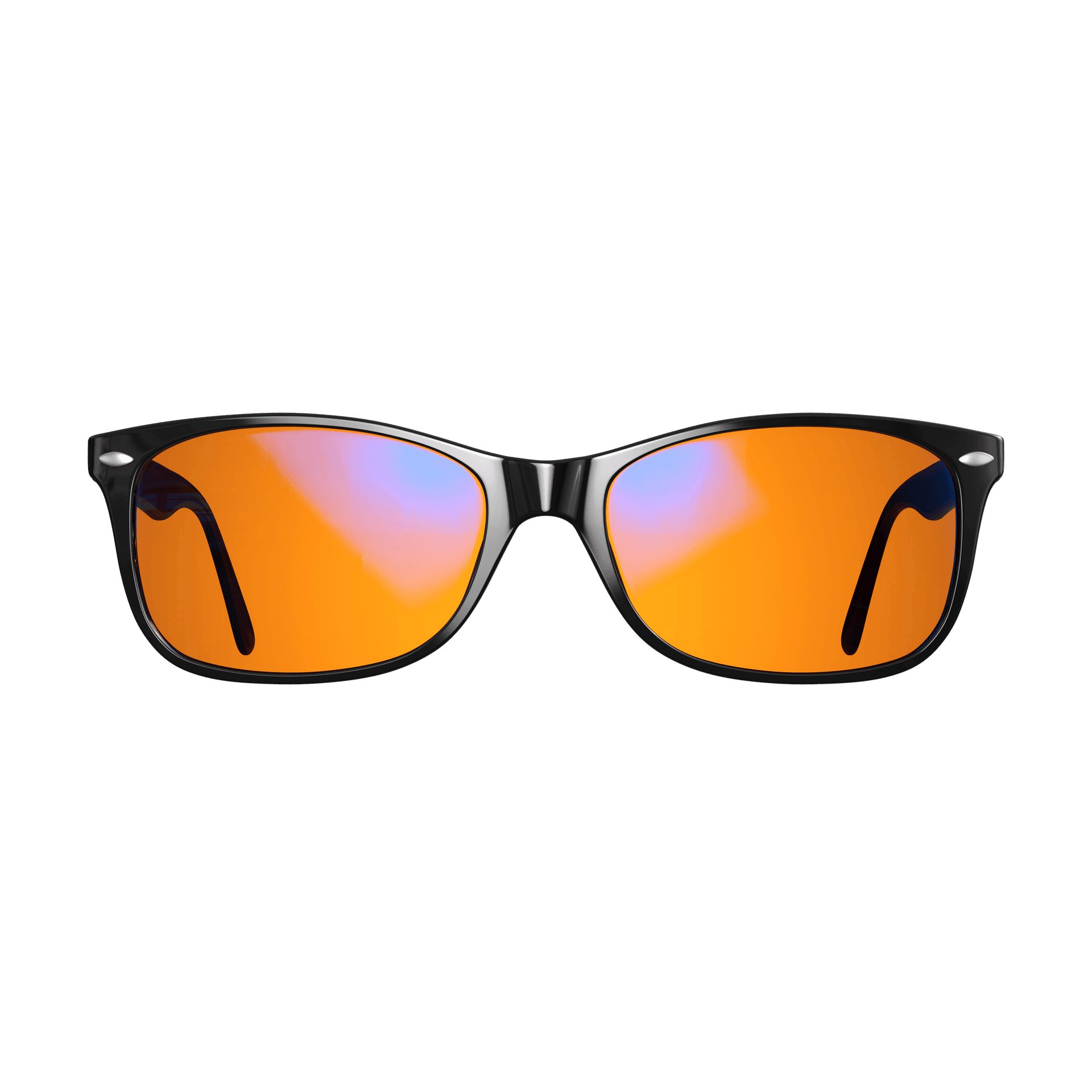
Swanwick Sleep Classic Night Swannies (amber)
Deep amber
The name-brand default and the only pair here you'd wear in front of company — but no longer the value pick at $129.99.
8/10
Deep amber
$129.99 (Amazon price as of – Details)
Compare prices →

GUNNAR
GUNNAR Optiks Gaming & Computer Glasses
Light amber
The eye-strain original — amber-tinted gaming glasses that ease long-screen fatigue, though the sleep benefit is the marketing, not the science.
8/10
Light amber
Check price
Compare prices →
Uvex by Honeywell
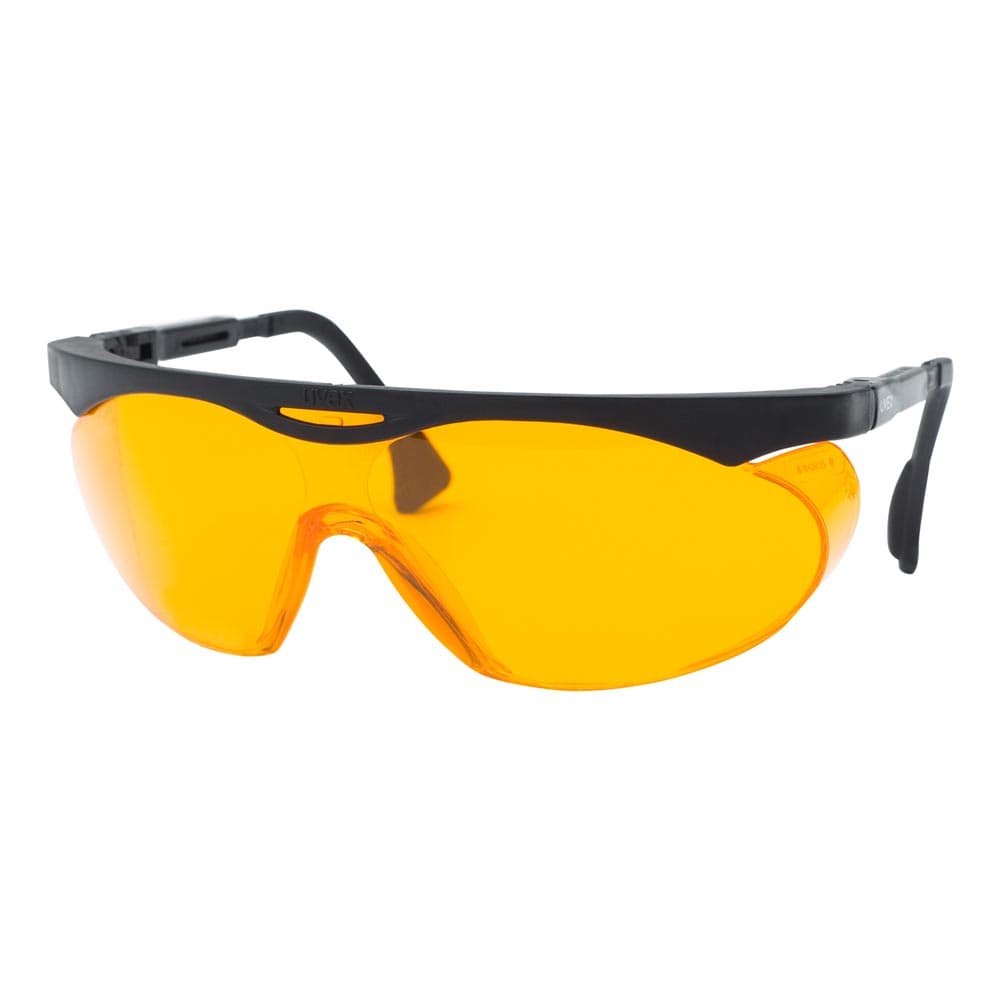
Uvex Skyper S1933X (SCT-Orange amber lens)
SCT-Orange amber
The amber wraparound the biohacker forums made famous — the cheapest evening lens we list, and the reason to pick it over TIJN's red lens is the seal-over-everything wraparound shape as much as the savings.
7.9/10
SCT-Orange amber
$12.36 (Amazon price as of – Details)
Compare prices →

livho
livho Blue Light Blocking Glasses (2-Pack)
Near-clear, light
The value 2-pack — near-clear lenses that reduce glare and eye strain for cheap, with the honest caveat that clear lenses barely touch sleep.
7.8/10
Near-clear, light
$17.99 (Amazon price as of – Details)
-10% off · at amazon
Compare prices →

KLIM
KLIM Optics Blue Light Blocking Glasses
Light amber
The value-kit pick — GUNNAR-style amber comfort with a case and cloth included, at a friendlier price.
7.7/10
Light amber
Check price
Compare prices →

Cyxus
Cyxus Blue Light Glasses
ClearBest value
The under-$10 floor — the cheapest way to try blue-light glasses, if you accept clear lenses and basic build for the price.
7.5/10
Clear
$9.99 (Amazon price as of – Details)
Compare prices →

SHINU
SHINU SH089 Red Lens Sleep Glasses
A genuine red lens in an ordinary-looking frame — with the thinnest evidence base of anything we list.
7.4/10
Red (deepest SHINU offers)
Check price
Compare prices →
Best for...
5 category winners — different needs, different picks. All editorially scored against measured specs.
Best overall
SafetyBlue Sleep Savior Ultra (deep red)
Maximum blocking under $70, side-light sealing, the last hour before bed
From $59.95 (Amazon price as of – Details)
Best budget
Cyxus Blue Light Glasses
The lowest verified price in the lineup
From $9.99 (Amazon price as of – Details)
Best for long screen sessions
GUNNAR Optiks Gaming & Computer Glasses
Wraparound amber frames built around daytime eye strain, some Rx-ready
Check price
Best value 2-pack
livho Blue Light Blocking Glasses (2-Pack)
Two anti-glare pairs for roughly the price of one branded pair
From $17.99 (Amazon price as of – Details)
Best kit
KLIM Optics Blue Light Blocking Glasses
Light amber lenses with a case and microfiber cloth in the box
Check price
Free, by email
Free · no cardA darker, quieter bedroom, by the evidence.
Five short emails on light, noise and travel sleep: what the research supports, what to buy and what we would skip.
Free. Five short emails over two weeks, then about one a month. Unsubscribe any time.
🔥 Below list price
1 on saleBiggest savings vs list price
12 brands compared · updated weekly
Brands in this category
SafetyBlue
BlockBlueLight
TIJN
TrueDark
Spectra479
Swanwick
GUNNAR
Uvex by Honeywell
livho
KLIM
Cyxus
SHINU
Decision engine
Compare any 2 pairs side-by-side
Head-to-head verdicts across 10 dimensions — lens tint, sleep evidence, eye-strain relief, fit, value.
Trending head-to-heads
The blue-light-glasses comparisons buyers actually search for.
VS · HEAD-TO-HEAD
SafetyBlue Sleep Savior Ultra (deep red)vsTIJN Sleep Glasses (Red-Tint, Blue+Green Blocking)
$59.95 (Amazon price as of – Details)·$17.99 (Amazon price as of – Details)
VS · HEAD-TO-HEAD
SafetyBlue Sleep Savior Ultra (deep red)vsTrueDark Twilights Classic (deep red, foam barrier)
$59.95 (Amazon price as of – Details)·$165.00 (Amazon price as of – Details)
VS · HEAD-TO-HEAD
SafetyBlue Sleep Savior Ultra (deep red)vsBlockBlueLight Original Blue Blocking Glasses (amber)
$59.95 (Amazon price as of – Details)·Check price
VS · HEAD-TO-HEAD
BlockBlueLight Original Blue Blocking Glasses (amber)vsTIJN Sleep Glasses (Red-Tint, Blue+Green Blocking)
Check price·$17.99 (Amazon price as of – Details)
VS · HEAD-TO-HEAD
BlockBlueLight Original Blue Blocking Glasses (amber)vsSpectra479 Fit-Over Nighttime Eyewear (amber)
Check price·$39.85 (Amazon price as of – Details)
VS · HEAD-TO-HEAD
TIJN Sleep Glasses (Red-Tint, Blue+Green Blocking)vsGUNNAR Optiks Gaming & Computer Glasses
$17.99 (Amazon price as of – Details)·Check price
How to pick blue light glasses in 2026
Five decisions collapse this whole category into a clear pick.
1. Tint decides whether it works for sleep
This is the whole decision, and marketing hides it. For SLEEP, only strongly-tinted amber or red lenses have real evidence (TIJN's is the cheapest of that class) — they block the blue AND green wavelengths that suppress melatonin at night. Clear and near-clear 'computer glasses' (livho, Cyxus, and GUNNAR's light amber) block very little of that and have weak sleep evidence. Buy red-tint for bedtime; buy clear for daytime eye comfort. Don't pay a sleep premium for a clear lens.
2. Match the glass to the goal
Two honest jobs, two products. Eye-strain relief during long screen days → light amber comfort lenses (GUNNAR, KLIM). Actually protecting your sleep from evening screens → deep red/amber lenses worn the 1-2 hours before bed (TIJN). Many people who care about both end up owning one of each — that's the right answer, not a single pair that half-does both.
3. Timing matters more than the glasses
Even the best red-tint lens does nothing if you wear it at noon. The circadian benefit comes from blocking blue+green light in the 1-2 hours BEFORE your target bedtime, when melatonin should be rising. And glasses are the weaker fix anyway — dimming lights and putting the phone down beats any lens. Treat the glasses as a backstop for unavoidable evening screens, not a license for them.
4. Fit and the yellow-world tradeoff
Stronger sleep tint = more the world turns orange-red, which rules out color-accurate work and takes adjusting to. That's the unavoidable tradeoff of the tints that actually work. For fit, wraparound frames (GUNNAR) block more peripheral light; over-glasses styles fit over prescriptions. Decide how much visual weirdness you'll tolerate for how much real blocking.
5. What is your budget?
$9.99 (Amazon price as of – Details) → Cyxus, the no-risk clear-lens trial (daytime comfort only). $17.99 (Amazon price as of – Details) → TIJN Sleep Glasses, the evidence-backed red-tint bedtime pick and the best sleep value here. $17.99 (Amazon price as of – Details) → livho for two clear daytime pairs. A step up → GUNNAR or KLIM for premium/value amber eye-strain comfort. Best sleep-per-dollar: TIJN. Best all-day eye comfort: GUNNAR.
Still stuck? Take our 60-second sleep quiz. It asks 8 questions and recommends the right gear for your sleep style. Free, no signup.
Browse every comparison category
Open the compare hub →MattressesMattress toppersSleep trackersCooling techBaby monitorsPillowsSheetsSleep headphonesSound machinesBedroom fansSleep masksWeighted blanketsSupplementsSleep teasAromatherapy diffusersHumidifiersCPAP comfortAnti-snoringWedge pillowsBody pillowsMattress protectorsSilk pillowcasesBlue light glassesSleep earplugsKnee pillowsCervical pillowsSunrise alarmsBlackout curtainsSleep sacksTravel sleep