
BLUE LIGHT GLASSES·TIJN
TIJN Sleep Glasses (Red-Tint, Blue+Green Blocking)
4.4 · 12,000 shopper ratings
Editor score8.3/10
Best for: Evening screen users who want the evidence-backed tint at the lowest price
Lowest price we found
$17.99
At Amazon (as of – Details)
Buy at Amazon · $17.99 ↗Review updated 2026-07-04
Lens tint
Deep red (blue+green block)
Best use
1-2 hr before bed
Evidence
Strongest tint for melatonin
The cheapest true red tint — the lens class with the melatonin evidence, sold without a published transmission chart.
Worth itIt scores the same 8.3 as TrueDark's pair at a fraction of the price. Lens tint is a manufacturing spec, not a luxury good.Most 'blue light glasses' are clear lenses with weak sleep evidence; TIJN's Sleep Glasses are the opposite — heavily red-tinted lenses, the class built to cut blue and the longer-wavelength green light too, which is where the real melatonin-protection research points. TIJN publishes no transmission chart, so how much they block rests on the visibly deep tint rather than on data. You wear them the 1-2 hours before bed, not at your desk all day. The catch is honesty about the look: everything turns red-orange and you look like you're in a darkroom. That's the price of the only tint class with genuine circadian support.
Price & where to buy
Prices checked 2026-10-12amazon
AmazonBest price✓ Fast delivery · easy returns
Deep red (blue+green block)
$17.99
(as of – Details)
Walmart
Walmart
Availability + price vary by store
Price varies
Not price-checked
Target
Target
Availability + price vary by store
Price varies
Not price-checked
Prices shown were last checked on 2026-10-12 and can change at any time — the price on the retailer's site at checkout is the one that applies. Product prices and availability are accurate as of the date/time indicated and are subject to change. Any price and availability information displayed on Amazon.com at the time of purchase will apply to the purchase of this product. As an Amazon Associate and affiliate we may earn a commission on purchases made through these links, at no extra cost to you.
How our prices work
We show the price at our recommended retailer as at our last check of that offer (2026-10-12) and the manufacturer's list price for comparison. Amazon prices come from Amazon's own product data service and are refreshed twice a day; each one shows the date and time Amazon gave it, and one older than 24 hours is replaced by “Check price”. Other retailers' prices are checked by hand and show the date of that check. Retail prices move constantly, so the price on the retailer's own page at checkout is the one that applies. More on Amazon prices
Should you buy it?
What we like
- True red tint — the lens class with the evening-light evidence
- Deep enough tint to be a real test of the habit, not a placebo
- Cheap enough to leave by the bed
- Cheapest genuine red lens we found
What to know before buying
- Deep red tint makes everything look orange — no color-accurate work
- You have to actually wear them nightly for any effect
- Not for daytime eye strain (that's what amber lenses are for)
Free, by email
Free · no cardA darker, quieter bedroom, by the evidence.
Five short emails on light, noise and travel sleep: what the research supports, what to buy and what we would skip.
Free. Five short emails over two weeks, then about one a month. Unsubscribe any time.
At a glance
Lens tintDeep red (blue+green block)
Best use1-2 hr before bed
EvidenceStrongest tint for melatonin
FrameLightweight
Screen colorShifts everything red-orange
PrescriptionNo — no fit-over version verified
CaseIncluded
Best forEvening screen use on a budget
How it scores
How our 8.3/10 breaks down — rated on the dimensions that matter most for blue light glasses, from published specifications and third-party test data, not the marketing.
Blue-light blocking
9.5/10
Lens clarity
5/10
Comfort
8/10
Build quality
7.5/10
Value
8.5/10
Featured in our guides
Buying guides that rank this product
Compare with alternatives
Quick verdicts for the blue light glasses most often considered alongside the TIJN Sleep Glasses (Red-Tint, Blue+Green Blocking).
VS·HEAD-TO-HEAD
TIJN Sleep Glasses (Red-Tint, Blue+Green Blocking) vs GUNNAR Optiks Gaming & Computer Glasses
The eye-strain original — amber-tinted gaming glasses that ease long-screen fatigue, though the sleep benefit is the marketing, not the science.
→ Long-session gamers and coders wanting less eye strain
VS·HEAD-TO-HEAD
TIJN Sleep Glasses (Red-Tint, Blue+Green Blocking) vs livho Blue Light Blocking Glasses (2-Pack)
The value 2-pack — near-clear lenses that reduce glare and eye strain for cheap, with the honest caveat that clear lenses barely touch sleep.
→ Budget daytime eye comfort, trying the concept
VS·HEAD-TO-HEAD
TIJN Sleep Glasses (Red-Tint, Blue+Green Blocking) vs Cyxus Blue Light Glasses
The under-$10 floor — the cheapest way to try blue-light glasses, if you accept clear lenses and basic build for the price.
→ No-risk trial of the concept, casual daytime use
Decision support · what no other comparison site has
Take the quiz · 60 secNot sure which one is right for you?
Our 60-second sleep score quiz asks 8 questions and recommends the right sleep gear for your goals. Free, no signup.
Editor's deep dive
Is the TIJN Sleep Glasses worth it?
The short answer
The TIJN Sleep Glasses are worth it if you want an evening red-tint lens for a fraction of what the branded pairs charge. The deep red tint targets blue and green wavelengths, which is the tint class with real melatonin evidence. TIJN publishes no transmission chart, so buy them for the tint depth and price, not for proof.
Who it's for
People who have decided to try evening light-blocking and do not want to spend $60+ finding out whether they will stick with it. The red tint is deep enough that you would only wear it in the last hour or two before bed — which is exactly the window that matters. Not for daytime screen comfort: for that you want a light amber lens, and the sleep evidence there is weak.
Best for you if…
First-time buyer testing the habit Great fit
At this price the downside of not sticking with it is small, and the tint is deep enough to be a genuine test of the concept rather than a placebo.
Evening phone or TV use before bed Great fit
This is the window the tint is designed for — the last 1-2 hours before your target bedtime.
All-day computer eye strain Skip it
Wrong product. A deep red lens makes colour work impossible and does nothing extra for sleep when worn at 2pm. Light amber computer lenses are the category for that — with weaker sleep evidence.
Buyer who wants published test data Skip it
TIJN publishes no transmission chart or wavelength range. BlockBlueLight, which costs more, publishes a chart if measurement is the deciding factor.
Shift worker sleeping in daylight hours Decent fit
The tint helps in the wind-down window, but light leaking into the bedroom matters more — blackout curtains and a sleep mask do more of the work here.
Prescription glasses wearer Skip it
We could not verify that a fit-over version of this specific SKU exists. Spectra479's dedicated fit-over at $39.95 is the safe choice if you wear glasses.
Bottom line
The cheapest way into the only lens tint with a plausible circadian mechanism. It costs a fraction of the branded red-lens pairs, and if you abandon the habit you have lost very little. What you are not buying is verification — TIJN publishes no wavelength range and no spectral chart, so the blocking claim rests on the tint being visibly deep rather than on data. If published measurement matters more to you than price, BlockBlueLight charts its lenses and SafetyBlue covers a wider band, both at a higher price.
How we scored this
Synthesis review. Sources: TIJN's Amazon listing specifications, aggregated public owner consensus across 12,000+ Amazon ratings, and the peer-reviewed literature on evening light and melatonin suppression cited below. Scored against the blue-light-glasses criteria used across this category — blocking claim, published evidence, coverage/fit, wearability, value — with evidence weighted heavily, which is why a budget lens with no published spectrum scores 8.3 rather than higher. We have NOT measured this lens: SleepyHero runs no optical testing and makes no first-hand testing claim. Reviewer signoff by Dr. Logan Foley, CSSC pending.
Sources
- [1] Brainard, G.C., et al. (2001). Action spectrum for melatonin regulation in humans: evidence for a novel circadian photoreceptor. Journal of Neuroscience, 21(16), 6405-6412. Establishes the ~446-477nm peak sensitivity that the 'blue light' framing derives from.
- [2] Thapan, K., Arendt, J., & Skene, D.J. (2001). An action spectrum for melatonin suppression: evidence for a novel non-rod, non-cone photoreceptor system in humans. Journal of Physiology, 535(1), 261-267. The companion action-spectrum paper; together these are why lens tint depth and wavelength range matter more than the marketing percentage.
- [3] Chang, A.M., Aeschbach, D., Duffy, J.F., & Czeisler, C.A. (2015). Evening use of light-emitting eReaders negatively affects sleep, circadian timing, and next-morning alertness. PNAS, 112(4), 1232-1237. The evening-screen effect these lenses are intended to blunt.
More blue light glasses we compared
See all →
SafetyBlue
SafetyBlue Sleep Savior Ultra (deep red)
8.6/10$59.95(Amazon price as of – Details)
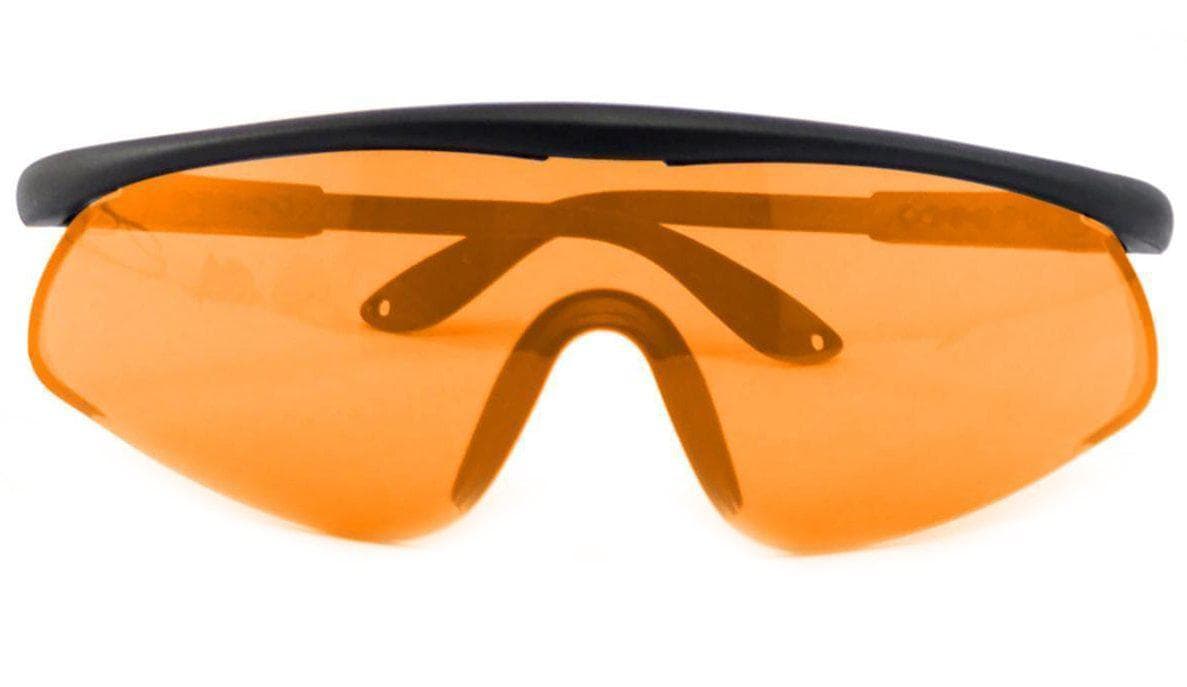
BlockBlueLight
BlockBlueLight Original Blue Blocking Glasses (amber)
8.4/10Check price

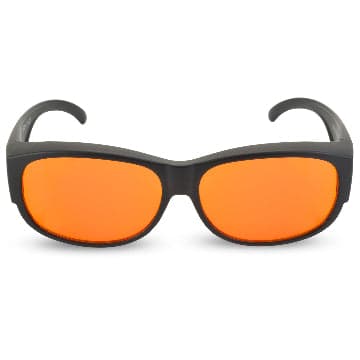
TrueDark
TrueDark Twilights Classic (deep red, foam barrier)
8.3/10$165.00(Amazon price as of – Details)
Spectra479
Spectra479 Fit-Over Nighttime Eyewear (amber)
8.1/10$39.85(Amazon price as of – Details)
Frequently asked questions
TIJN Sleep Glasses vs GUNNAR?
Different jobs entirely. GUNNAR's light amber lenses are for all-day eye-strain comfort with weak sleep evidence; TIJN's deep-red lenses are for the 1-2 hours before bed, the tint class the melatonin-protection research is about. Daytime eye comfort: GUNNAR. Actually protecting your sleep: TIJN.
Do blue light glasses even work?
Honest answer: for SLEEP, only the strongly-tinted evening ones like these have real support — blocking blue+green light in the hours before bed measurably reduces melatonin suppression. The clear 'computer glasses' sold for daytime eye strain have weak sleep evidence. Buy red-tint for sleep, and treat clear lenses as comfort, not circadian medicine.
Will everything look weird?
Yes — deep red tint shifts your whole screen orange-red, which takes adjusting to and rules out color-critical work. That strong tint IS the mechanism, so it's a feature for evening wind-down, not a flaw.
When do I put them on?
1-2 hours before your target bedtime, whenever you're on screens or under bright light. Wearing them all day does nothing extra for sleep and just tints your world.
Affiliate disclosure: SleepyHero earns a small commission when you buy through these links. It doesn't cost you extra. Reviews and rankings are editorial — we don't accept payment for placement.