6 WEDGE PILLOWS · UPDATED 2026-10-18
Wedge pillows — 6 inclines compared honestly
A wedge pillow does one mechanical job: it keeps your upper body elevated all night, which gravity turns into less reflux reaching the throat, easier nasal drainage, and a tongue that falls forward instead of back. The products differ on four things that matter — incline height, foam density, whether the cover survives real washing, and how badly you slide down by 3am. We compare on exactly those. Persistent heartburn, though, is a medical conversation: wedges manage symptoms at night, they don't treat the cause.
Not sure which one?
Buying guides for this category
How to choose
Three steps to the right pick
1
Match it to how you sleep
Your position, budget and the problem you're fixing narrow the field fast.
Take the 60-sec quiz →2
Compare the shortlist
Weigh the picks head-to-head on the specs that matter — filter and sort the table.
Jump to comparison ↓3
Check the price, then buy
Prices move — we show the last-checked figure and send you to the retailer's live price.
See best prices →Price comparison
6 of 6 shown. Click any product for the full review + all retailer prices.
BrandProductScoreBest forBest price

Helix Sleep
Helix Wedge Pillow
Editor's ChoiceDimensions 24" x 24" x 10"
The premium single-height pick — gel-infused memory foam over a firm 10-inch base with a 100-night trial, sold only through Helix, at a premium over basic foam wedges.
8.5/10
—
Check price
Compare prices →

MedCline
MedCline Reflux Relief System
The clinical-grade escalation — a three-piece system that locks you into inclined left-side sleeping. Overkill for mild heartburn; the serious tool for nightly reflux.
8.4/10
—
$269.98 (Amazon price as of – Details)
Compare prices →

InteVision
InteVision Foam Bed Wedge + Headrest
Dimensions 25" x 24" x 12"
The tall two-piece — a 12-inch wedge plus a patented adjustable headrest that answers the neck-strain complaint most wedges ignore. Aggressive height, not a gentle start.
8.3/10
Maximum elevation without neck strain
Check price
Compare prices →

Brentwood Home
Brentwood Home Zuma Foam Wedge, 10-Inch
One-piece BioFoam
The honest budget block — one piece of firm CertiPUR-US BioFoam sold direct in three heights, with no plush layer and no pretense of one.
8.2/10
—
Check price
Compare prices →
Lunix
Lunix LX5 4-Piece Orthopedic Set
4-piece modular set
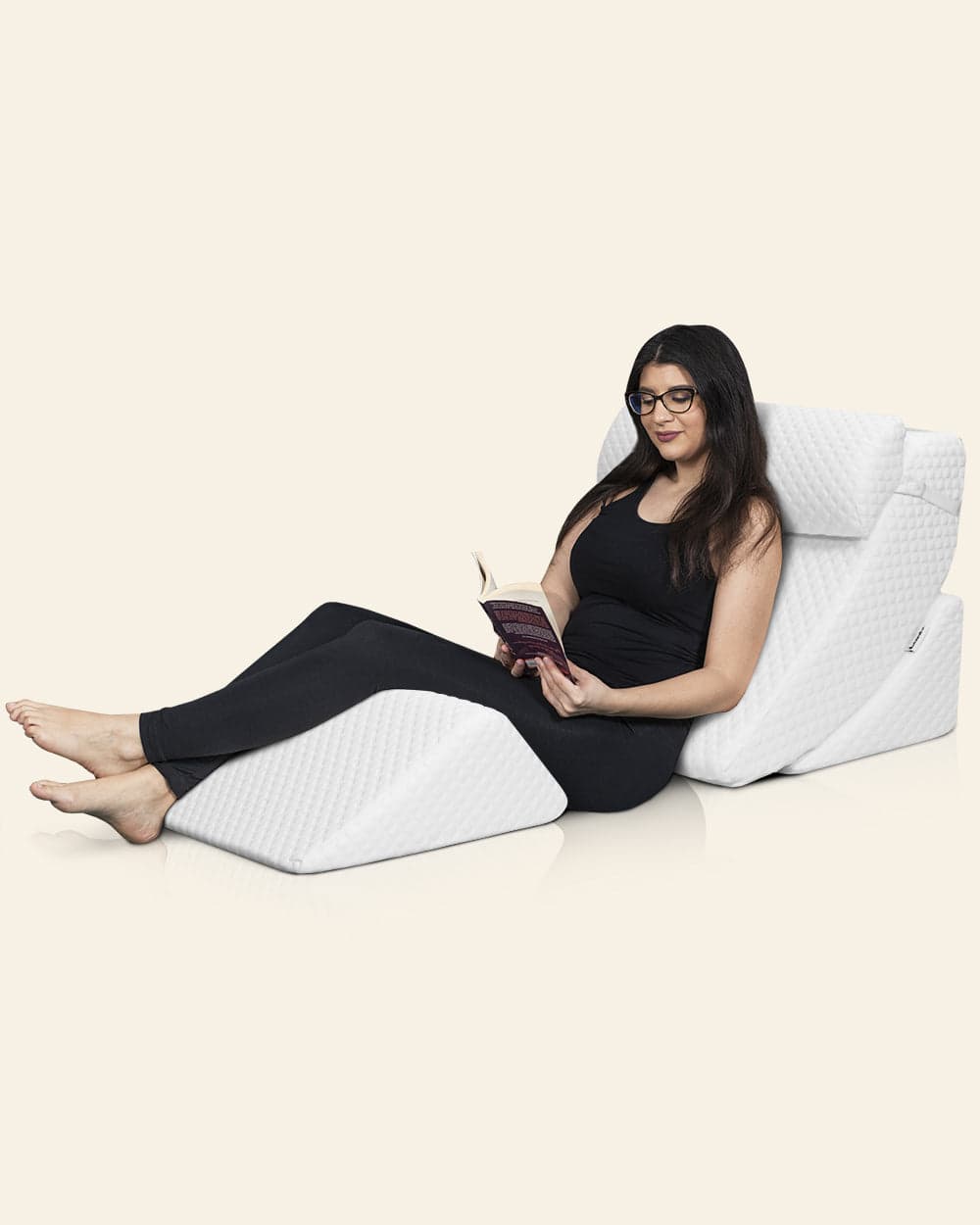
The adjustable 4-piece — restackable wedges for post-surgery recovery and angle-tinkerers at $159.97, if you'll tolerate pieces that wander overnight.
8/10
—
$159.97 (Amazon price as of – Details)
Compare prices →
Kolbs
Kolbs Bed Wedge Pillow, Standard 7.5"
7.5" — gentle entryBest value
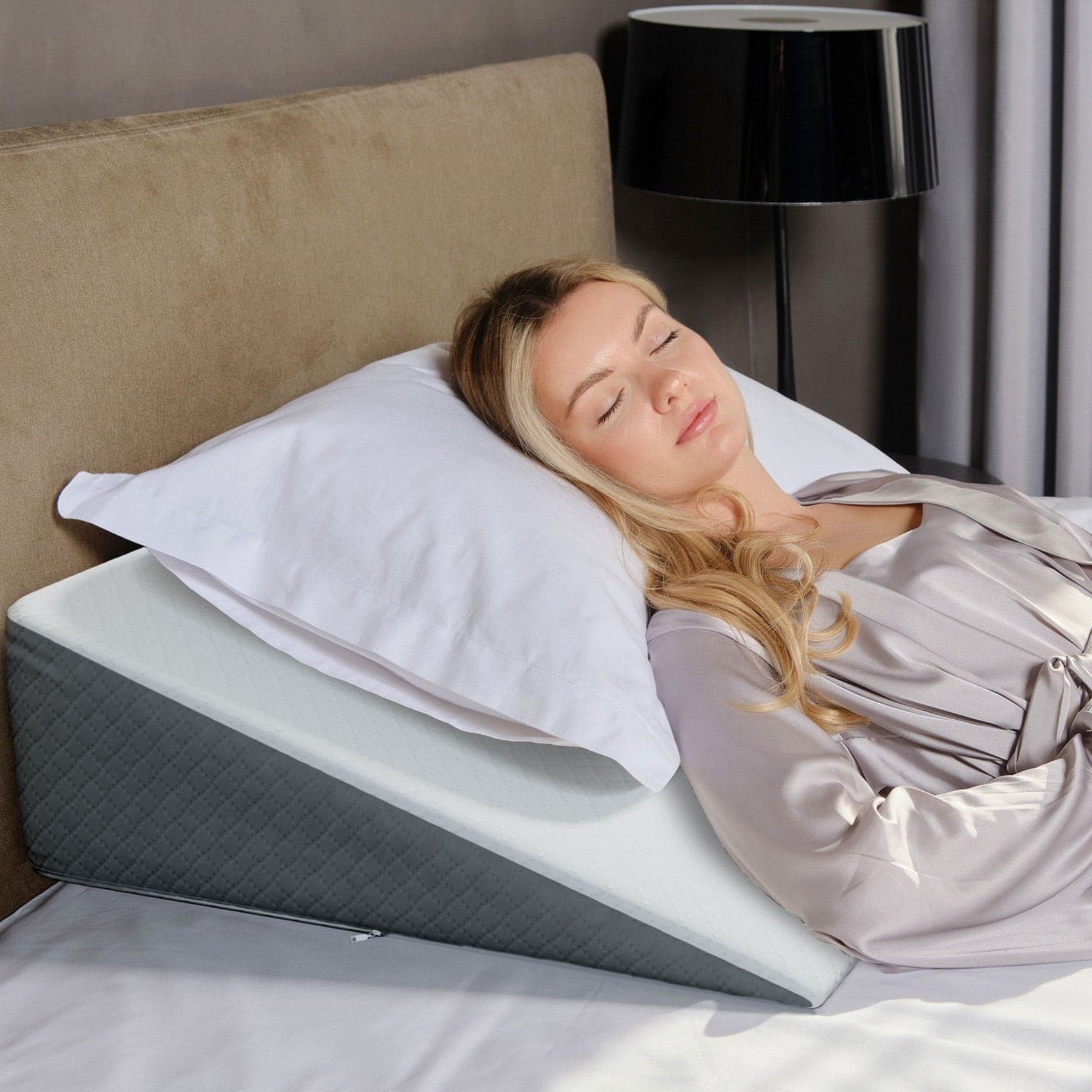
The gentle-entry wedge — 7.5 inches of firm high-density foam under a memory foam top with a jacquard cover; check the current Amazon price, because the brand store was sold out at our check.
7.8/10
First-time elevation
$35.99 (Amazon price as of – Details)
-23% off · at amazon
Compare prices →
Best for...
2picks matched to the reason you're raising the head of the bed.
Free, by email
Free · no cardGet your pillow and bed setup right.
One practical idea at a time for neck, back, heat and snoring, plus what we would skip and why.
Free. Five short emails over two weeks, then about one a month. Unsubscribe any time.
🔥 Below list price
1 below listBiggest savings vs list price
6 brands compared · updated weekly
Brands in this category
Helix Sleep
MedCline
InteVision
Brentwood Home
Lunix
Kolbs
Decision engine
Compare any 2 wedge pillows side-by-side
Head-to-head on the things that matter — incline, foam density, cover quality, footprint and value.
Trending head-to-heads
The wedge-pillow comparisons buyers actually search for.
VS · HEAD-TO-HEAD
Helix Wedge PillowvsBrentwood Home Zuma Foam Wedge, 10-Inch
Check price·Check price
VS · HEAD-TO-HEAD
Helix Wedge PillowvsInteVision Foam Bed Wedge + Headrest
Check price·Check price
VS · HEAD-TO-HEAD
Helix Wedge PillowvsMedCline Reflux Relief System
Check price·$269.98 (Amazon price as of – Details)
VS · HEAD-TO-HEAD
MedCline Reflux Relief SystemvsLunix LX5 4-Piece Orthopedic Set
$269.98 (Amazon price as of – Details)·$159.97 (Amazon price as of – Details)
VS · HEAD-TO-HEAD
MedCline Reflux Relief SystemvsInteVision Foam Bed Wedge + Headrest
$269.98 (Amazon price as of – Details)·Check price
VS · HEAD-TO-HEAD
InteVision Foam Bed Wedge + HeadrestvsKolbs Bed Wedge Pillow, Standard 7.5"
Check price·$35.99 (Amazon price as of – Details)
How to pick a wedge pillow in 2026
Four decisions collapse this whole category into a clear pick.
1. Pick the incline for the job, not the bed
Height is the whole product. Low wedges around 7–8 inches give a gentle grade most sleepers adapt to in a night or two — the usual starting point for reflux and congestion. Tall wedges of 10–12 inches elevate more aggressively; they suit people told to keep their upper body up after surgery, but side sleeping on a steep grade takes real getting used to. Systems with multiple pieces let you re-stack the angle as needs change. Buy the height your problem needs, then check it fits your mattress width.
2. Foam density decides whether it still works in a year
A wedge is structural — it holds your torso weight at an angle all night, every night. Cheap soft foam compresses into a shallow ramp within months, which quietly un-treats the reflux you bought it for. Denser polyurethane bases with a memory-foam comfort layer on top keep the geometry. The comfort layer is for your shoulders; the base is the product.
3. Solve the slide-down problem up front
The universal wedge complaint is waking at 3am flat on the mattress with the wedge somewhere near your knees — you slide down, or it slides away. Textured or grippy bottom covers, heavier builds, and multi-piece systems that trap the wedge against the headboard all fight this. Reading how a specific wedge handles slide-down is worth more than any comfort claim on the box.
4. Know what a wedge can and cannot do about reflux
Head-of-bed elevation is one of the few lifestyle measures doctors genuinely recommend for nighttime reflux — gravity keeps stomach contents where they belong while you sleep. But a wedge manages the night, it doesn't treat the condition: reflux that is frequent, worsening, or paired with trouble swallowing needs a doctor, not taller foam. Left-side sleeping on the wedge compounds the benefit for many people; stomach sleeping on a wedge suits almost no one.
One honest boundary: wedges on this page are comfort and positioning products. If you're elevating for medical reasons — post-surgery orders, sleep apnea, serious GERD — follow your clinician's guidance on angle and duration first, and treat our comparisons as a way to buy that angle comfortably. Snoring specifically? Start with the snoring solutions guide to check position is actually your problem.
Browse every comparison category
Open the compare hub →MattressesMattress toppersSleep trackersCooling techBaby monitorsPillowsSheetsSleep headphonesSound machinesBedroom fansSleep masksWeighted blanketsSupplementsSleep teasAromatherapy diffusersHumidifiersCPAP comfortAnti-snoringWedge pillowsBody pillowsMattress protectorsSilk pillowcasesBlue light glassesSleep earplugsKnee pillowsCervical pillowsSunrise alarmsBlackout curtainsSleep sacksTravel sleep