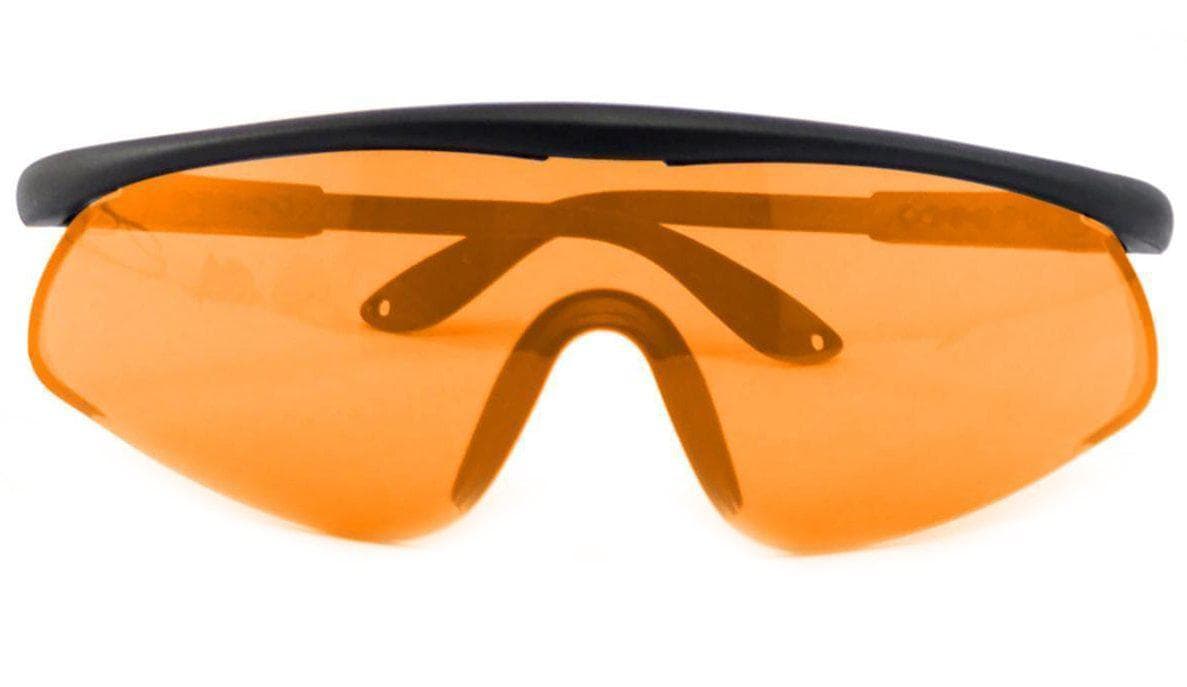
BlockBlueLight Original Blue Blocking Glasses (amber)
Best for: Buyers who want published optics rather than a round-number claim
The only cheap pair that publishes a real transmission chart — and admits 57% of green light gets through.
Most brands in this category give you a round number and no way to check it. BlockBlueLight publishes a lens transmission report on the product page: 100% of blue light across 400-500nm, and a 43% reduction of green light across 500-570nm. That second figure is the honest part — it concedes the amber lens leaves most green through, which is why the brand also sells a pricier red NightFall line that covers 400-550nm fully. For a reader who wants verifiable optics over marketing, this is the pick, at a mid-pack price direct from the brand.
Where to buy
Prices for this product are not currently verified — check the retailer's site for the price that applies. As an Amazon Associate and affiliate we may earn a commission on purchases made through these links, at no extra cost to you.
How our prices work
We show the price at our recommended retailer and, when Amazon reports one, its list price for comparison. Amazon prices come from Amazon's own product data service and are refreshed twice a day; each one shows the date and time Amazon gave it, and one older than 24 hours is replaced by “Check price”. Other retailers' prices are checked by hand and show the date of that check. Retail prices move constantly, so the price on the retailer's own page at checkout is the one that applies. More on Amazon prices
Should you buy it?
What we like
- Publishes an actual lens transmission chart — rare in this category
- States what it does NOT block, not just what it does
- Wraparound with side coverage at a mid-pack price
- 100% blue blocking across the full 400-500nm band
What to know before buying
- No Amazon listing — brand-direct only, so no Prime shipping
- 43% green blocking is genuinely partial; the fuller-coverage red line costs considerably more
- Brand repeats an unsupported melatonin claim we won't echo
- Case and cloth aren't clearly included at this tier
A darker, quieter bedroom, by the evidence.
Five short emails on light, noise and travel sleep: what the research supports, what to buy and what we would skip.
Free. Five short emails over two weeks, then about one a month. Unsubscribe any time.
At a glance
How it scores
How our 8.4/10 breaks down — rated on the dimensions that matter most for blue light glasses, from published specifications and third-party test data, not the marketing.
Featured in our guides
Buying guides that rank this product
Compare with alternatives
Quick verdicts for the blue light glasses most often considered alongside the BlockBlueLight Original Blue Blocking Glasses (amber).
BlockBlueLight Original Blue Blocking Glasses (amber) vs SafetyBlue Sleep Savior Ultra (deep red)
The blocking-performance pick — one of the few here publishing separate blue AND green figures with wavelength bands.
→ Maximum blocking at a mid-range price, side-light sealing, the last hour before bed
SafetyBlue Sleep Savior Ultra (deep red) review →BlockBlueLight Original Blue Blocking Glasses (amber) vs TIJN Sleep Glasses (Red-Tint, Blue+Green Blocking)
The cheapest true red tint — the lens class with the melatonin evidence, sold without a published transmission chart.
→ Evening screen users who want the evidence-backed tint at the lowest price
TIJN Sleep Glasses (Red-Tint, Blue+Green Blocking) review →BlockBlueLight Original Blue Blocking Glasses (amber) vs Spectra479 Fit-Over Nighttime Eyewear (amber)
The answer to the most common objection in this category — it slides straight over prescription glasses, with no clips.
→ Prescription and reading-glasses wearers
Spectra479 Fit-Over Nighttime Eyewear (amber) review →Not sure which one is right for you?
Our 60-second sleep score quiz asks 8 questions and recommends the right sleep gear for your goals. Free, no signup.
More blue light glasses we compared
See all →
TrueDark Twilights Classic (deep red, foam barrier)
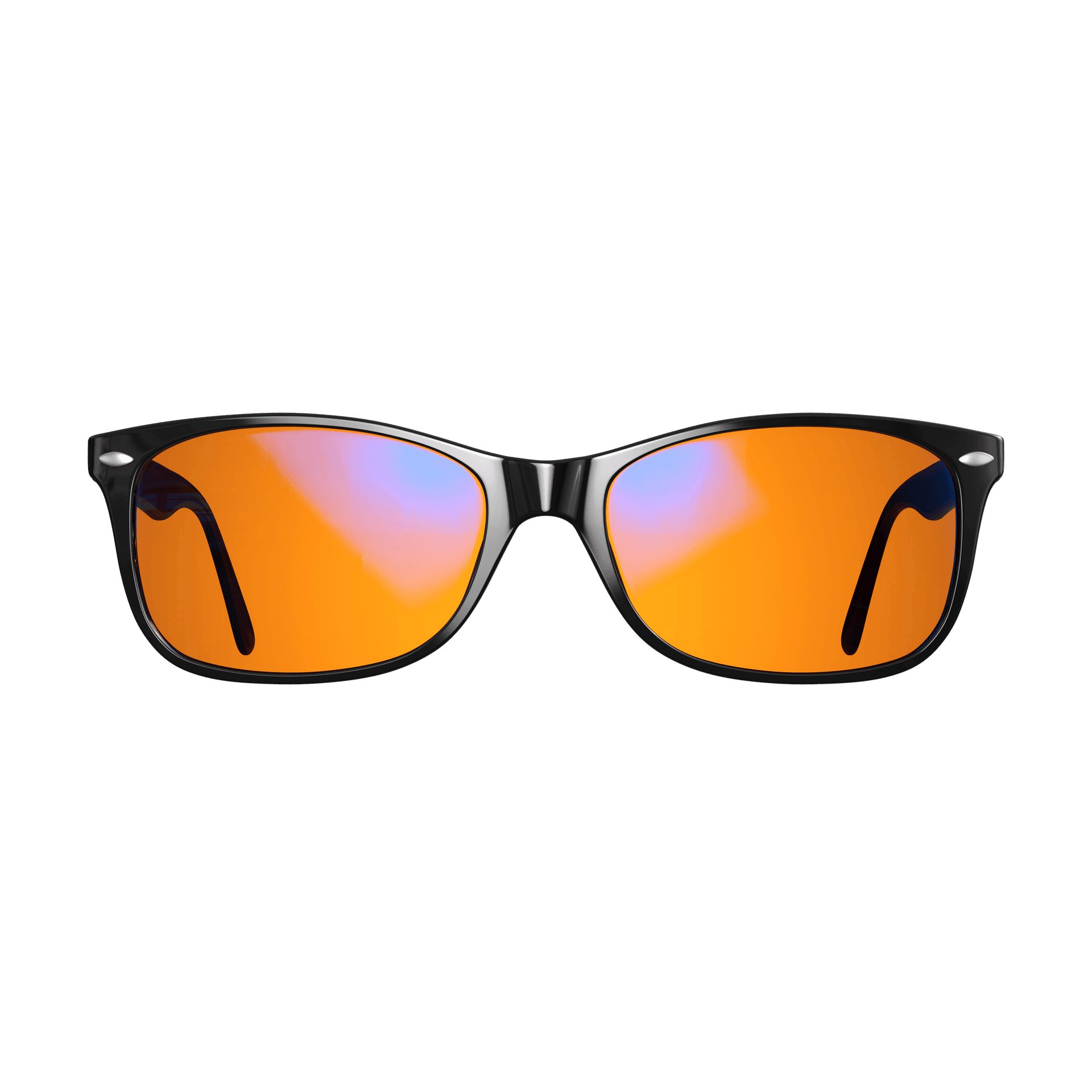
Swanwick Sleep Classic Night Swannies (amber)

GUNNAR Optiks Gaming & Computer Glasses
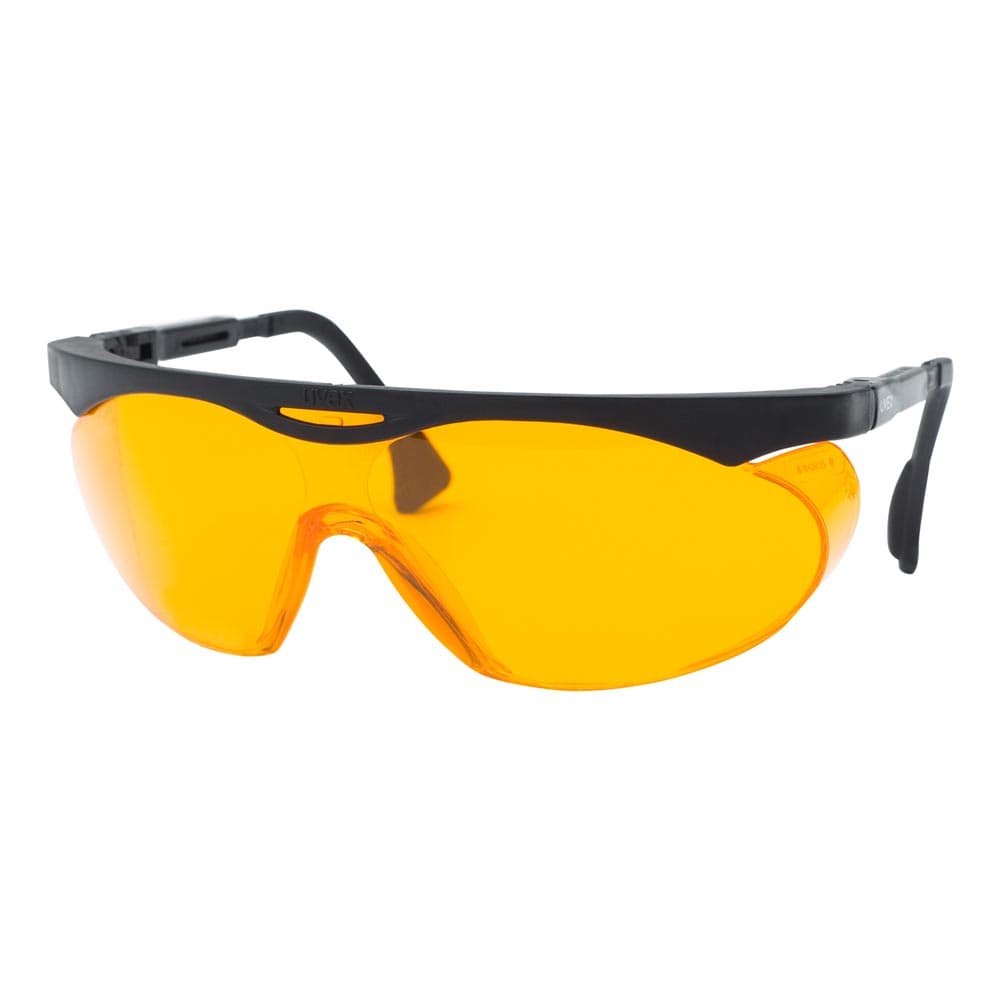
Uvex Skyper S1933X (SCT-Orange amber lens)
Frequently asked questions
Why recommend a pair with no Amazon listing?
Because it's the most transparent lens among the mid-priced pairs here. It publishes a transmission chart and states its own limitation — 57% of green light passes through. Every other cheap pair here gives a percentage with no spectrum. You'll buy direct from the brand rather than Amazon.
Amber at 43% green blocking — is that enough?
Depends what you're solving. For screens after dark, blocking 100% of blue is the bulk of the job. If you're chasing the melanopic peak properly you want a red lens covering to 550nm or beyond — their NightFall line, or SafetyBlue's Sleep Savior at 570nm.
How does it compare to the TIJN glasses?
TIJN is a cheaper red lens with no published spectrum; this is an amber lens with one. You're paying for evidence and side coverage, and giving up some green blocking versus a true red lens.
Do these actually increase melatonin?
The brand says so; we're not repeating it. No published study backs that specific claim for this product. What's verifiable is the transmission data — judge it on that.