ANTI-SNORING·NITETRONIC
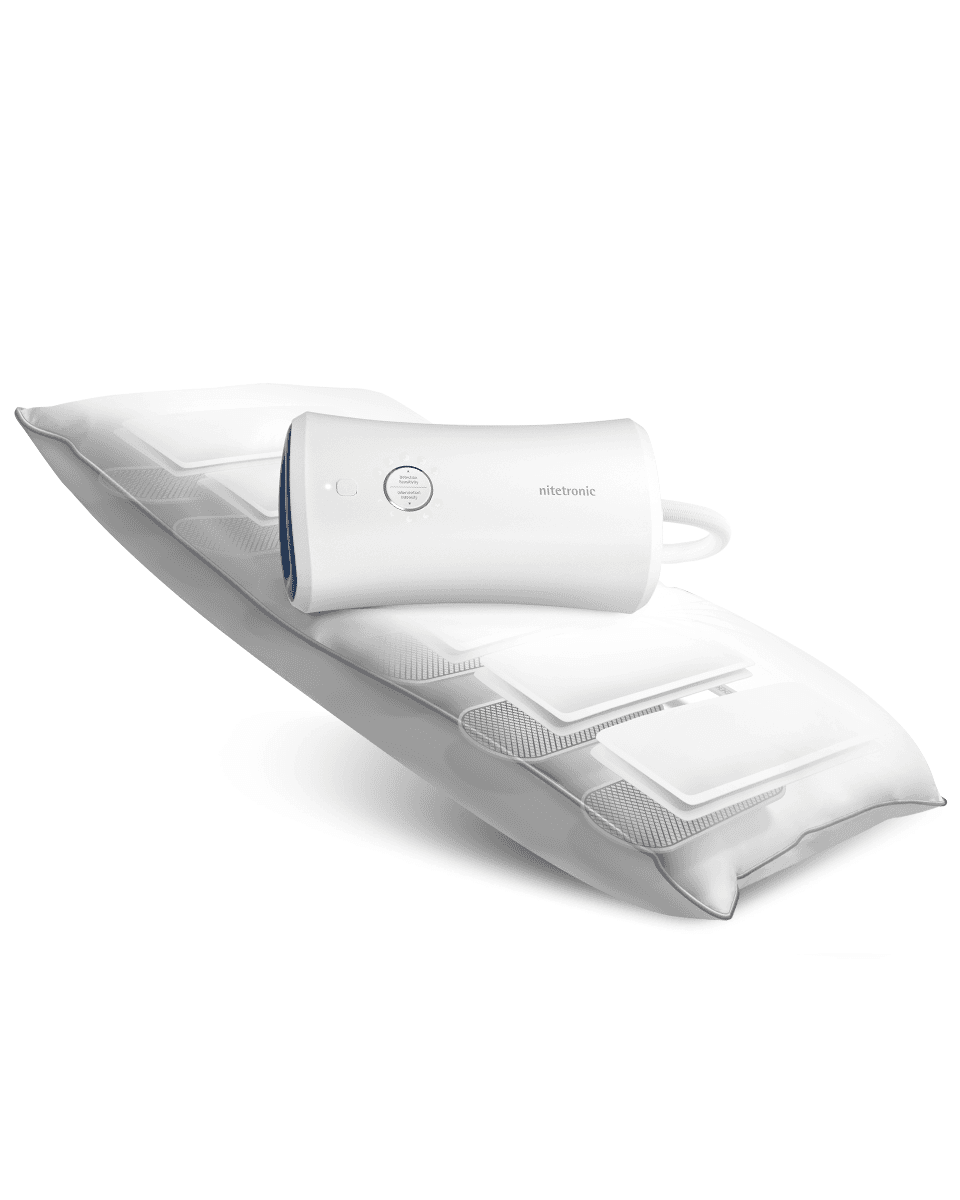
Nitetronic Z6 Smart Anti-Snore Pillow
Editor score7.9/10
Best for: Back-sleeping positional snorers who hate wearables
Price
Check price
At Nitetronic.com · price changes often, check before buying
Buy at Nitetronic.com ↗Review updated 2026-07-28
Type
Smart positional pillow
Detection
Sound + head-position sensors
Intervention
Air chamber turns head sideways
The nothing-on-your-face option: a flagship-priced smart pillow that hears you snore and gently turns your head sideways — genuinely effective for back-sleeping positional snorers, wasted on everyone else.
We'd skipFlagship money for a positional-therapy pillow when nothing else in the anti-snoring category costs even half as much. Try a nasal dilator first.The Z6 is the only product in our anti-snoring lineup that intervenes while you sleep instead of before it: sound and position sensors listen for snoring, and when they catch it, an internal air chamber inflates quietly — under 15dB — to turn your head to the side, exploiting the fact that back sleeping is when snoring is at its worst. An app supplies morning reports; power comes from the mains, so it lives plugged in by the bed. Nitetronic's own field trial claims a 67% reduction in snoring time — the brand's number, so treat it accordingly — while independent reviewers at Forbes (2024 and 2026) land where the mechanism predicts: it genuinely helps moderate positional and back-dominant snorers, while side-dominant sleepers have less for it to fix, and two snorers in one bed can confuse the sensors about whose noise it's hearing. It's by far the priciest item in this guide, softened by a 30-night trial and an unusually long 3-year warranty. It's a simple-snoring aid, not a sleep apnea treatment — snoring with gasping, breathing pauses, or daytime exhaustion needs a doctor, not a smarter pillow.
Where to buy
Prices for this product are not currently verified — check the retailer's site for the price that applies. As an Amazon Associate and affiliate we may earn a commission on purchases made through these links, at no extra cost to you.
How our prices work
We show the price at our recommended retailer and the manufacturer's list price for comparison. Amazon prices come from Amazon's own product data service and are refreshed twice a day; each one shows the date and time Amazon gave it, and one older than 24 hours is replaced by “Check price”. Other retailers' prices are checked by hand and show the date of that check. Retail prices move constantly, so the price on the retailer's own page at checkout is the one that applies. More on Amazon prices
Should you buy it?
What we like
- Nothing worn, taped, or inserted — the intervention is the pillow itself
- Quiet head-turn mechanism (<15dB) with app-based morning reports
- 30-night trial plus a 3-year warranty — the longest backing in this guide
- Independent reviewers confirm it for moderate positional/back snorers
What to know before buying
- Several times the cost of everything else in this lineup
- Side-dominant sleepers give the mechanism little to work with
- Two snorers in one bed can confuse the sound sensors
- Mains-powered — a corded pillow, permanently plugged in
Free, by email
Free · no cardGet your pillow and bed setup right.
One practical idea at a time for neck, back, heat and snoring, plus what we would skip and why.
Free. Five short emails over two weeks, then about one a month. Unsubscribe any time.
At a glance
TypeSmart positional pillow
DetectionSound + head-position sensors
InterventionAir chamber turns head sideways
NoiseUnder 15dB
AppNightly snore reports
PowerMains — plugged in
Trial30 nights
Warranty3 years
Works forPositional / back-sleeping snorers
How it scores
How our 7.9/10 breaks down — rated on the dimensions that matter most for anti-snoring, from published specifications and third-party test data, not the marketing.
Effectiveness (for its snore type)
8/10
Comfort & tolerability
8/10
Ease of nightly use
7.5/10
Durability & running cost
8/10
Value
6/10
Compare with alternatives
Quick verdicts for the anti-snoring most often considered alongside the Nitetronic Z6 Smart Anti-Snore Pillow.
VS·HEAD-TO-HEAD
Nitetronic Z6 Smart Anti-Snore Pillow vs Good Morning Snore Solution Mouthpiece, Adult Regular
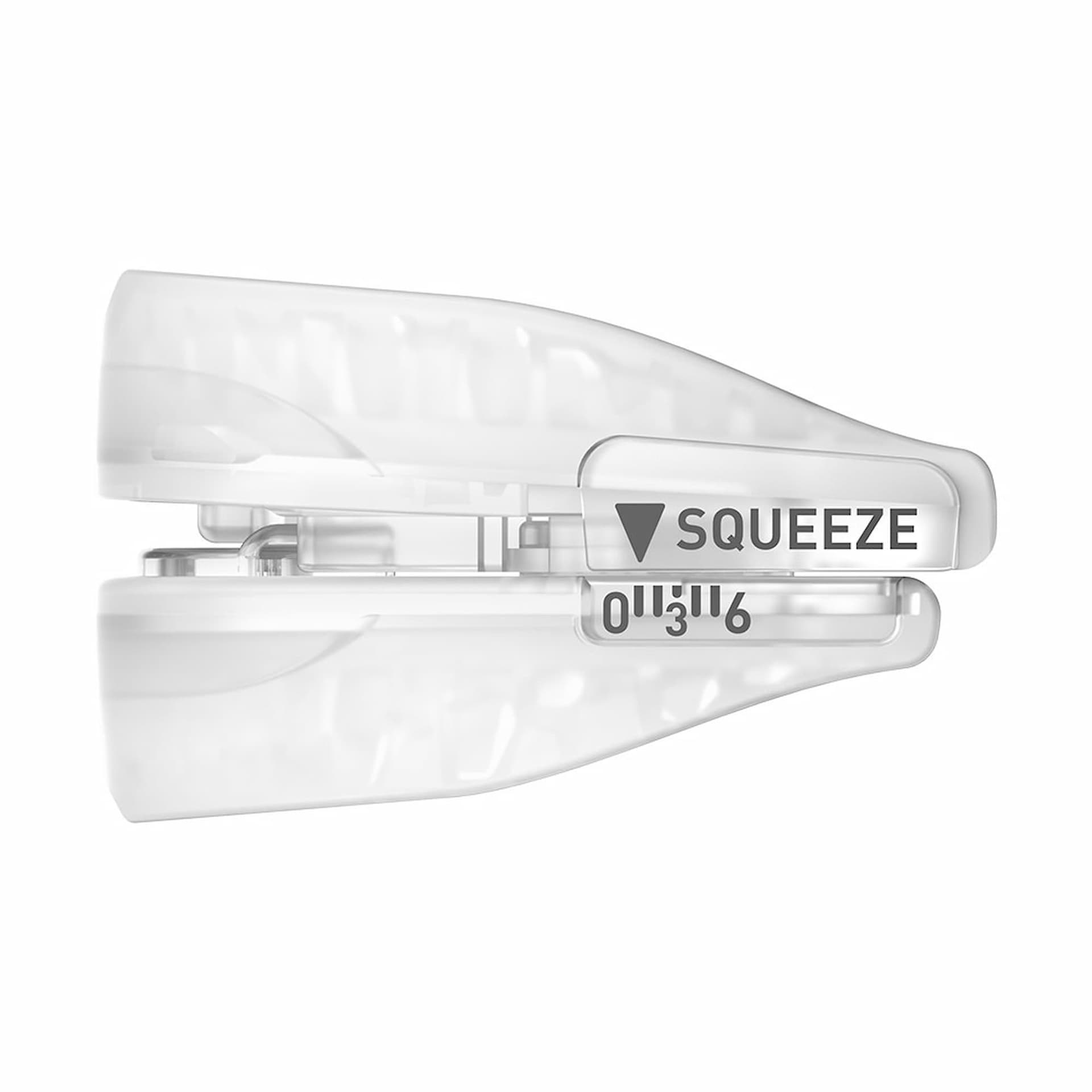
The tongue-suction alternative for people MADs exclude — zero jaw pressure, FDA-cleared — if you can breathe through your nose and survive a drooly first month.
→ TMJ and denture users who can't wear a MAD
VS·HEAD-TO-HEAD
Nitetronic Z6 Smart Anti-Snore Pillow vs ZQuiet 2-Size Starter Pack
The no-fitting MAD — two ready-to-use mouthpieces at fixed +2mm and +6mm advancements for $59.95 — great if one of those two settings happens to fit you.
→ First-time MAD buyers who want zero fitting
VS·HEAD-TO-HEAD
Nitetronic Z6 Smart Anti-Snore Pillow vs Mute Starter Pack (S + M + L)
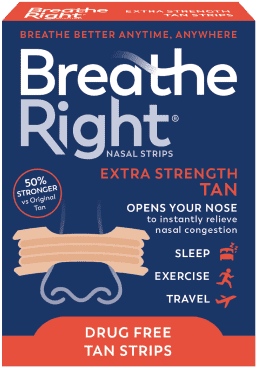
An internal, per-nostril-adjustable dilator whose $17.99 starter pack exists because sizing is make-or-break — reusable, but a consumable at ~$0.60–1.80 a night, and FDA registered, not cleared.
→ Nasal snorers who want a reusable, tunable fit
Decision support · what no other comparison site has
Take the quiz · 60 secNot sure which one is right for you?
Our 60-second sleep score quiz asks 8 questions and recommends the right sleep gear for your goals. Free, no signup.
Editor's deep dive
Is the Nitetronic Z6 Smart worth it?
The short answer
The Nitetronic Z6 is a smart pillow that detects snoring with sound and position sensors, then quietly inflates an air chamber (<15dB) to turn the sleeper's head sideways. With a 30-night trial and 3-year warranty at a flagship price, it genuinely helps back-sleeping positional snorers — and it is a snoring aid, not a sleep apnea treatment.
Who it's for
Back-dominant snorers who have refused, failed, or spat out everything wearable — the Z6 asks nothing of your face, mouth, or nose, which makes it the compliance winner for people who abandon mouthpieces by week two. Its mechanism leans on a well-documented fact: sleeping on the back worsens snoring, and moving off it helps [1]. The brand's 67% snoring-time-reduction figure is its own field trial; the independent Forbes verdicts are the better anchor — real benefit for moderate positional snorers, less for side-dominant sleepers, sensor confusion when two people snore. Anyone with gasping, pauses, or exhausted days needs a doctor before a pillow at this price [1].
Best for you if…
Back-sleeping positional snorers Great fit
The mechanism is aimed squarely at them, and independent reviewers confirm it lands.
Wearable-refusers and mouthpiece dropouts Great fit
Compliance is passive — the pillow does the intervening, nothing touches your face.
Side-dominant sleepers Skip it
Little head-turning left to do; most of the price buys idle hardware.
Two-snorer bedrooms Decent fit
It can work, but the sound sensors can attribute a partner's snoring to the pillow's owner.
Bottom line
The Z6 is the rare gadget in this category whose mechanism, brand claims, and independent reviews all point the same direction: if you're a back-sleeping positional snorer, this works often enough to justify serious consideration, and the 3-year warranty is real commitment at a price point where commitment matters. The 7.9 rather than something higher is the price and the boundaries — it solves one specific snoring geometry at a flagship price, and buyers outside it (side sleepers, dual-snorer beds) are paying that for a mechanism that can't reach their problem. Use the 30 nights as the test it's meant to be.
How we scored this
Synthesis-only evaluation — SleepyHero has not done hands-on testing of the Nitetronic Z6. We scored it on the brand's published specs, its field-trial claim (67% snoring-time reduction — attributed to the brand, not independently verified), and independent Forbes reviews from 2024 and 2026, which anchor the effectiveness and limitation calls: real benefit for moderate positional and back-dominant snorers, reduced benefit for side sleepers, and sensor confusion with two snorers. The positional mechanism is consistent with the documented link between back sleeping and worse snoring [1]. Smart pillows address simple snoring only; they are not treatments for obstructive sleep apnea, and snoring with gasping, breathing pauses, or daytime exhaustion should be evaluated by a doctor before any purchase [1]. Reviewer signoff by Dr. Logan Foley, CSSC pending.
More anti-snoring we compared
See all →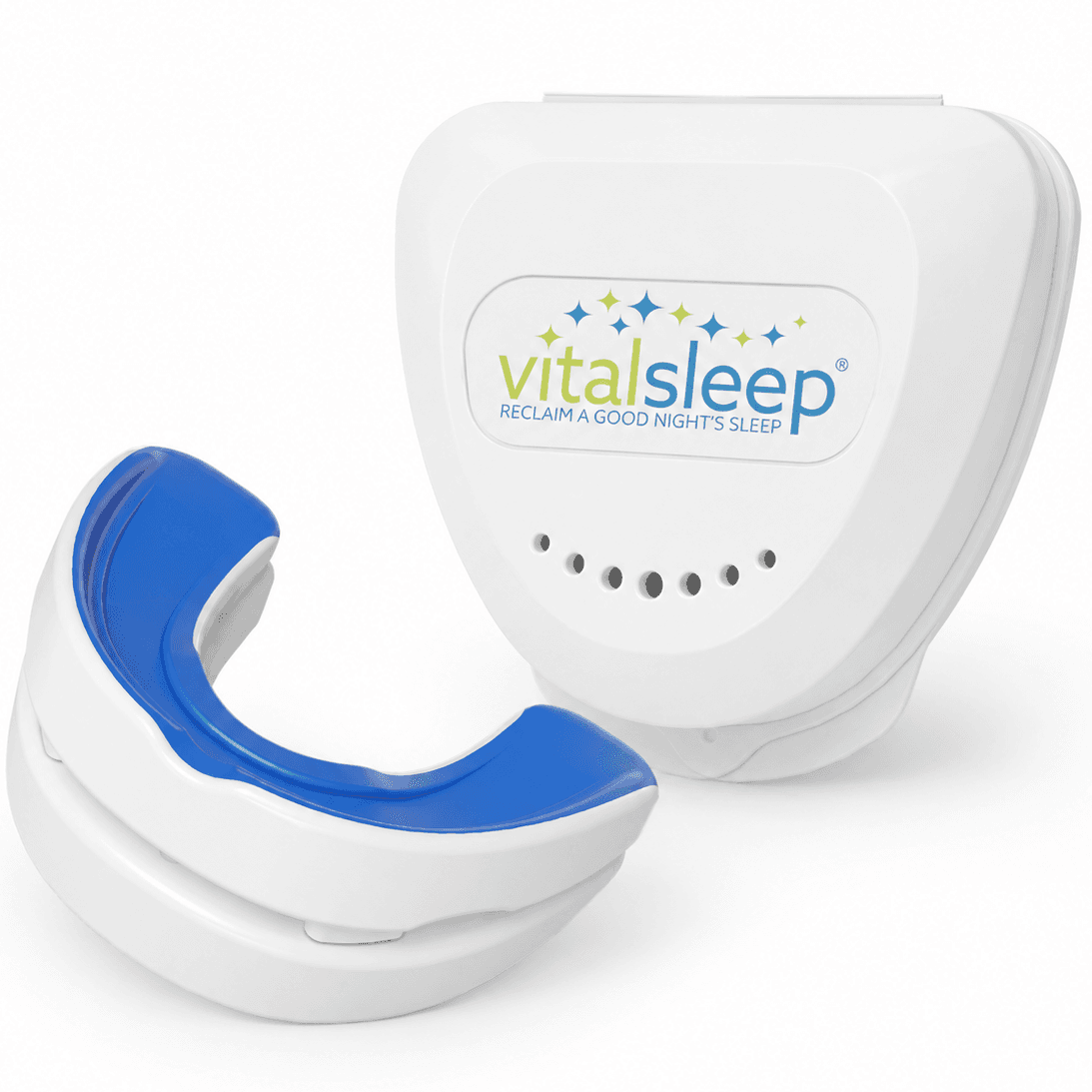

Frequently asked questions
Does the Nitetronic Z6 treat sleep apnea?
No — it's a snoring intervention, not a medical treatment, and a quieter night is not the same as a treated airway. If your snoring comes with gasping, choking, witnessed breathing pauses, or daytime exhaustion, see a doctor about a sleep study before spending this much on any consumer device.
I mostly sleep on my side — will it do anything?
Less than the price deserves. The Z6's whole mechanism is turning a back-sleeper's head sideways, because back sleeping is when the tongue and soft tissues sag rearward and snoring peaks. If you already spend most of the night on your side, there's little left for the pillow to fix — independent reviewers flag exactly this. Back-dominant and mixed-position snorers are the real audience.
What happens if both partners snore?
That's the known failure mode: the Z6 listens for snoring, and a second snorer in the bed can trigger head-turns for the wrong person. One-snorer households get the clean version of this product; two-snorer households should weigh that caveat seriously before spending this much.
Are there cheaper Nitetronic models?
Yes — the brand sells two cheaper siblings, the A1 and the Z1. We haven't scored either; the Z6 is the flagship we evaluated. If the Z6's price is the blocker, they're worth a look on the brand's site — with the caveat that our verdict here applies only to the Z6.
Affiliate disclosure: SleepyHero earns a small commission when you buy through these links. It doesn't cost you extra. Reviews and rankings are editorial — we don't accept payment for placement.