Tap to zoom1 / 5
SUNRISE ALARMS·LOFTIE
Loftie Clock (2nd Gen)
4.1 · 2,200 shopper ratings
Editor score8.2/10
Best for: Phone-in-bed addicts, design-conscious nightstands
Price
Check price
At Amazon · price changes often, check before buying
Buy at Amazon ↗Review updated 2026-07-02
Sunrise ramp
Ambient night light (not full sunrise)
Alarm
Two-phase wake
Sounds
Sound baths, stories, white noise
The phone-replacer — alarm clock, sound machine, and wind-down routines in one designed object that gets your phone out of the bedroom.
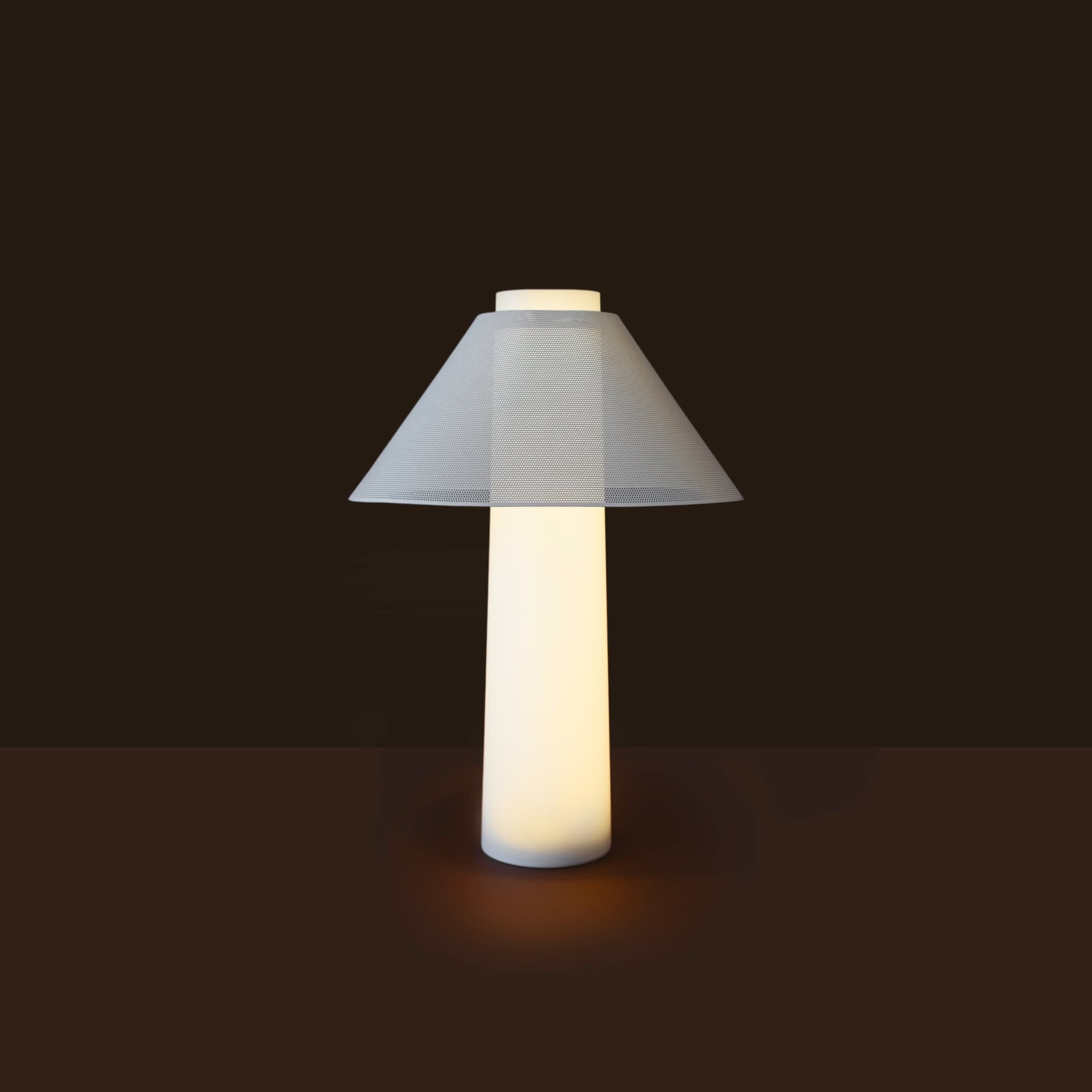
Loftie's pitch is behavioral, not optical: a two-phase alarm (gentle cue, then get-up cue), a library of sound baths, sleep stories and white noise, a sunset-toned night light, and Bluetooth speaker duty — all designed to replace the phone on your nightstand. The 2nd-gen adds better audio and Wi-Fi updates. The light is an ambient glow rather than a true 300-lux sunrise, so pair it with blackout curtains rather than expecting a dawn simulation. Some content requires the optional subscription; the core alarm features don't.
Where to buy
amazon
AmazonBest price✓ Fast delivery · easy returns
Two-phase alarm · sound library
Price varies
Walmart
Walmart
Availability + price vary by store
Price varies
Not price-checked
Target
Target
Availability + price vary by store
Price varies
Not price-checked
Prices for this product are not currently verified — check the retailer's site for the price that applies. As an Amazon Associate and affiliate we may earn a commission on purchases made through these links, at no extra cost to you.
How our prices work
We show the price at our recommended retailer and the manufacturer's list price for comparison. Amazon prices come from Amazon's own product data service and are refreshed twice a day; each one shows the date and time Amazon gave it, and one older than 24 hours is replaced by “Check price”. Other retailers' prices are checked by hand and show the date of that check. Retail prices move constantly, so the price on the retailer's own page at checkout is the one that applies. More on Amazon prices
Should you buy it?
What we like
- Two-phase alarm is the gentlest wake design we compared
- Sound baths, stories, white noise built in
- Designed object that replaces the phone
What to know before buying
- Ambient glow, not a true sunrise light
- Best content behind optional subscription
- Premium for a clock-speaker
Free, by email
Free · no cardA darker, quieter bedroom, by the evidence.
Five short emails on light, noise and travel sleep: what the research supports, what to buy and what we would skip.
Free. Five short emails over two weeks, then about one a month. Unsubscribe any time.
At a glance
Sunrise rampAmbient night light (not full sunrise)
AlarmTwo-phase wake
SoundsSound baths, stories, white noise
Sunset modeWind-down routines
App requiredOptional (setup + extras)
DisplayBlackout mode
ExtrasBluetooth speaker
SubscriptionOptional content tier
Best forReplacing your phone
How it scores
How our 8.2/10 breaks down — rated on the dimensions that matter most for sunrise alarms, from published specifications and third-party test data, not the marketing.
Sunrise quality
5.5/10
Features
8.5/10
Ease of use
7.5/10
Build quality
8/10
Value
7/10
Compare with alternatives
Quick verdicts for the sunrise alarms most often considered alongside the Loftie Clock (2nd Gen).
VS·HEAD-TO-HEAD
Loftie Clock (2nd Gen) vs Philips SmartSleep Wake-Up Light (HF3520)
The clinical original — the sunrise alarm with actual light-therapy pedigree, still the most natural wake-up design we compared.
→ Dark-winter mornings, heavy sleepers, no-app minimalists
VS·HEAD-TO-HEAD
Loftie Clock (2nd Gen) vs Lumie Bodyclock Shine 300
The sleep-clinic choice — UK light-therapy specialists' sunrise alarm with the most configurable ramp in the category.
→ Slow wakers, light-sensitive sleepers, ramp tinkerers
VS·HEAD-TO-HEAD
Loftie Clock (2nd Gen) vs JALL Wake-Up Light Sunrise Alarm
The entry-level gateway — a sunrise alarm with the compromises you'd expect.
→ First-timers, guest rooms, sunrise-curious budgets
Decision support · what no other comparison site has
Take the quiz · 60 secNot sure which one is right for you?
Our 60-second sleep score quiz asks 8 questions and recommends the right sleep gear for your goals. Free, no signup.
Editor's deep dive
Is the Loftie Clock (2nd worth it?
The short answer
Worth it if you're buying a bedside audio system that also wakes you gently — not if you're buying a sunrise lamp. The 2nd-gen Loftie Clock's two-phase alarm and sound baths are excellent; its light is a warm glow, not a dawn simulation.
Who it's for
Design-first buyers who want one beautiful object handling alarm, white noise, sleep stories, and Bluetooth speaker duty — and who wake more to sound than light. Light-driven wakers (dark winters, heavy sleepers) should put the same money toward a Philips or Lumie instead.
Best for you if…
Replacing your phone alarm Great fit
The two-phase wake is the gentlest alarm mechanism in this comparison.
Built-in sleep audio Great fit
Sound baths, stories, and noise built in — no app streaming required at 2am.
Dark-winter waking Skip it
The glow tops out far below the 300-lux dawn of the Philips HF3520.
Subscription-free minimalism Decent fit
Core features work free, but the deepest content sits behind an optional subscription.
Bottom line
Buy the Loftie Clock as a premium sound-first alarm that beautifies the nightstand. Buy an actual wake-up light if morning light is the job to be done.
How we scored this
Editorial evaluation against the Philips HF3520 and Hatch Restore 3 on published specs, independent reviews, and owner consensus — scoring wake gentleness, light output, audio quality, and app dependence on our 10-dimension rubric. Hands-on testing pending — 30 nights alternating against those two units. Reviewer signoff by Dr. Logan Foley, CSSC pending.


Frequently asked questions
Is the Loftie a real sunrise alarm?
Not in the Philips sense — its light is a warm ambient glow, not a 300-lux dawn simulation. Buy it for the two-phase alarm and sound library; buy a Philips or Lumie for light-driven waking.
What does the two-phase alarm do?
First a gentle tone eases you out of sleep, then a second cue actually gets you up ~9 minutes later. It's the anti-jolt design and it works better than it sounds.
Do I need the subscription?
No — alarms, white noise, and core sounds work without it. The subscription adds rotating wellness content (breathwork, stories). Most owners skip it.
Loftie Clock vs Hatch Restore 3?
Same category, different bets: Hatch leans routine + sunrise light, Loftie leans audio library + design. Hatch's light is stronger; Loftie's speaker is better.
Affiliate disclosure: SleepyHero earns a small commission when you buy through these links. It doesn't cost you extra. Reviews and rankings are editorial — we don't accept payment for placement.